
As communities face growing health crises, FHI 360 draws on more than 50 years of experience to lead scientific breakthroughs and develop data-driven solutions. From strengthening health systems to preventing infectious disease, we work with local partners to create and deliver innovative programs that advance community well-being.
FHI 360 teams seek first to understand what people need to be well, generating the evidence necessary to address their health challenges. Building on what we learn, we implement and share strategies to advance health solutions, expand access to care and promote healthy behaviors.
Our initiatives bring together local and scientific experts on a wide range of topics, from family planning to mental health to tuberculosis, malaria and HIV. Together, we’re tackling the world’s most pressing health issues to ensure that good health is within reach for all.
Featured stories and blogs
-
Blog
Building the future of the HIV response: Helping the global HIV community rethink, rebuild and rise
-
Story
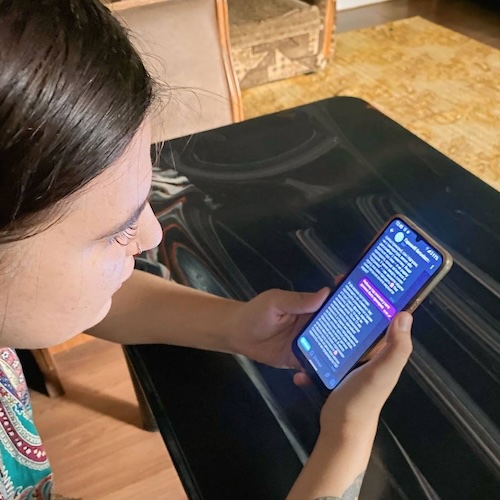
The chatbot helping mothers and infants during conflict
-
Story
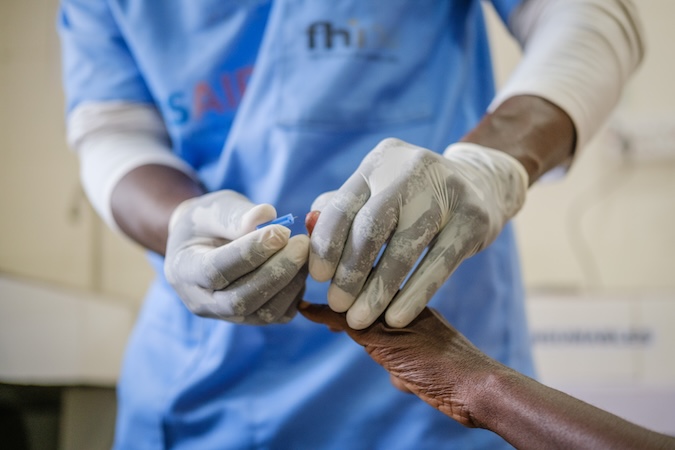
How a blood bank in conflict-affected Nigeria is saving lives
-
Story
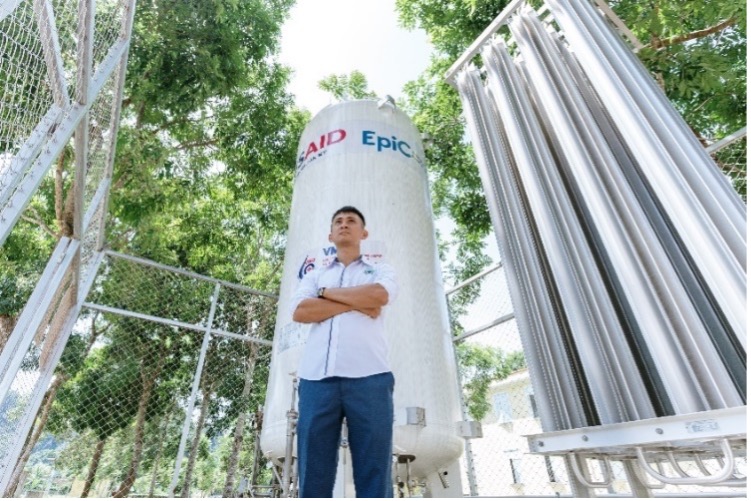
A new breath of life for a struggling rural health care system
-
Story
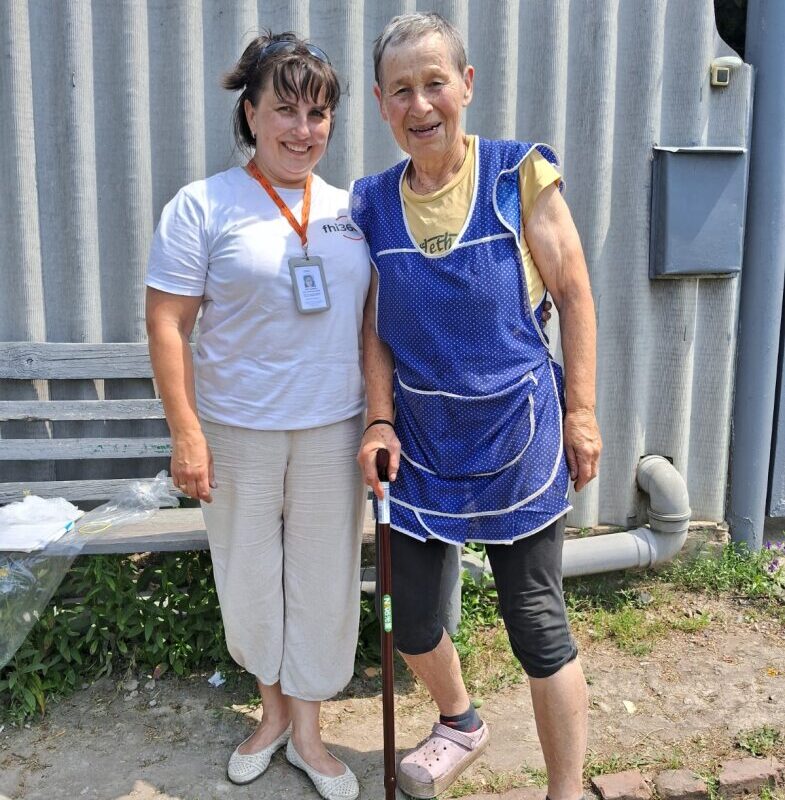
Mobile medical clinics expand health care access in Ukraine
-
Blog
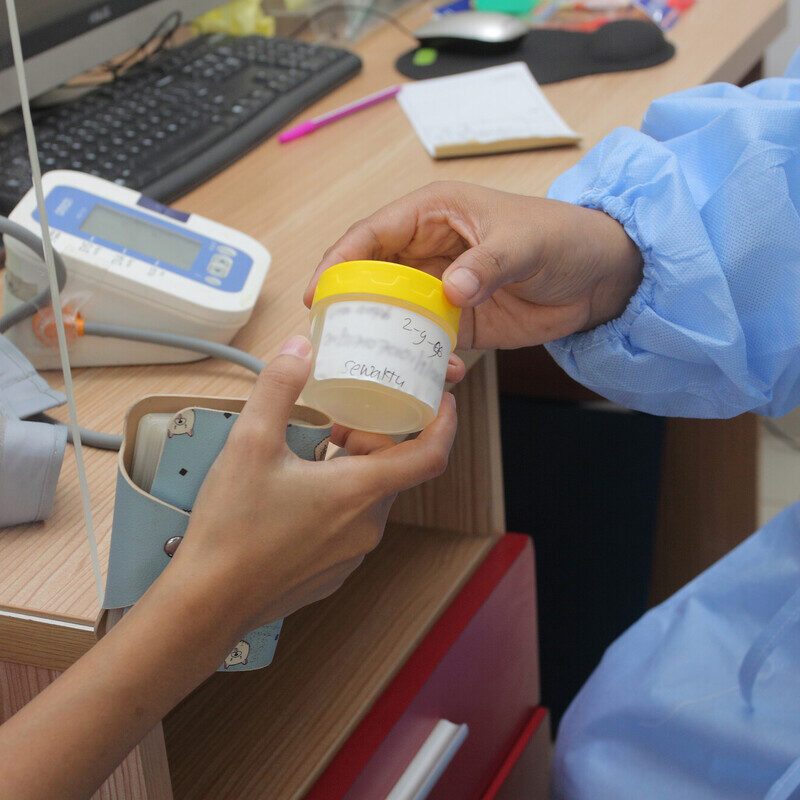
To end the tuberculosis epidemic, the private sector must expand drug-resistant TB treatment
-
Story
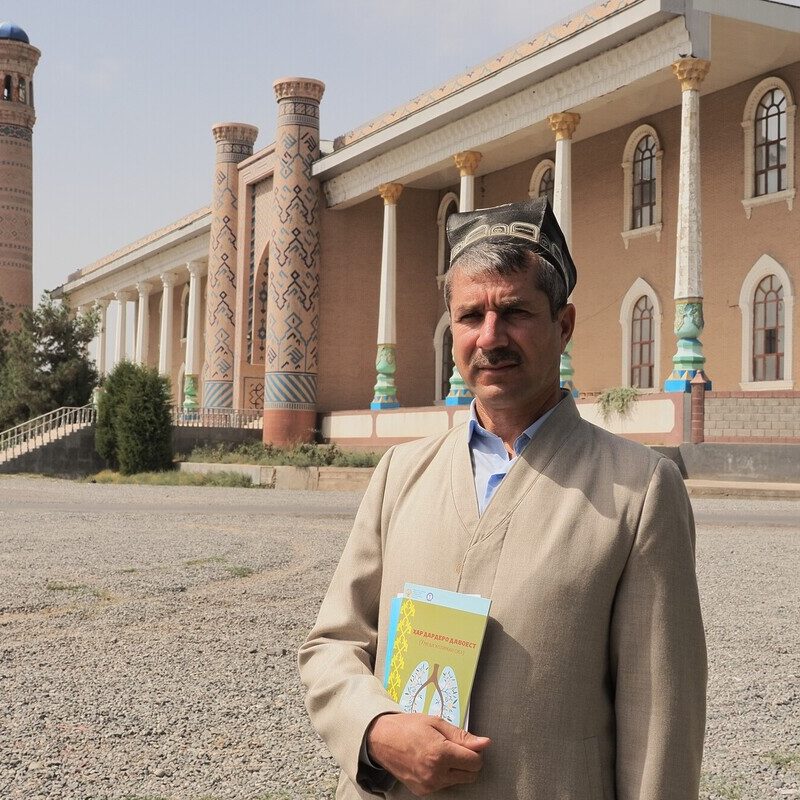
Meet the imam combining faith and public health to support tuberculosis patients
-
Story
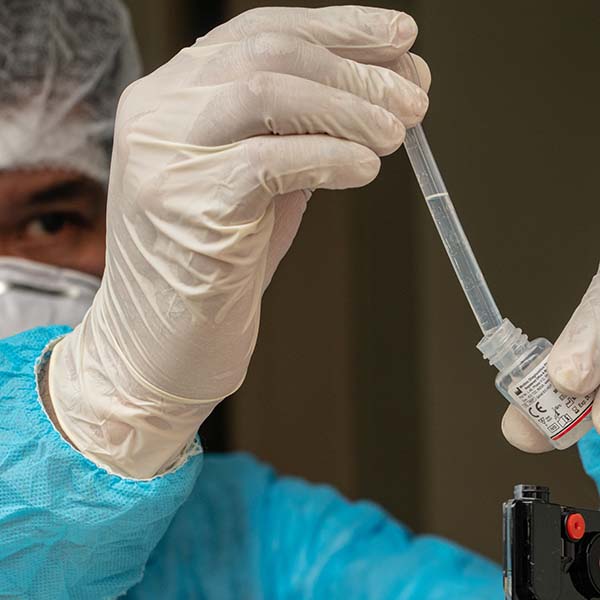
Q&A: Janet Robinson on Disease X and pandemic preparedness
-
Story
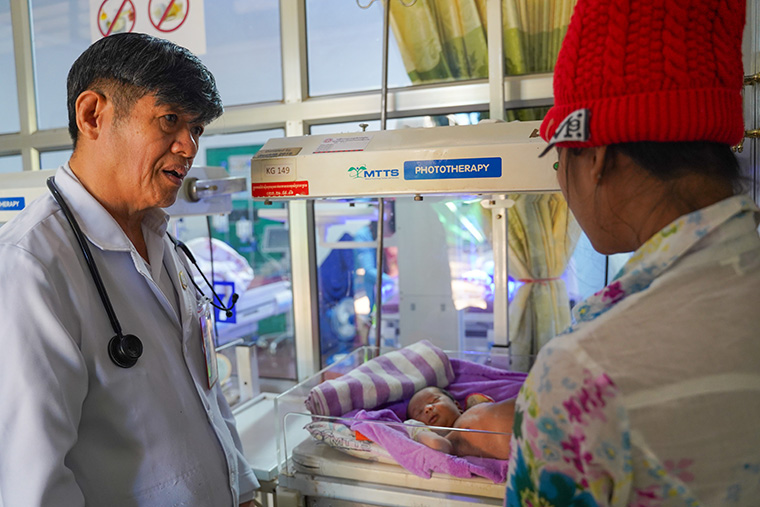
From day one, health workers break the cycle of malnutrition
Our work in health
Reproductive and maternal/child health
Research and clinical trials
- Clinical trials design and implementation
- Health research
- Implementation science
- Market development and product introduction
Global health security
FHI 360 has been instrumental in outbreak preparedness and response for numerous emerging threats.
Product and laboratory assessment
Social and behavior change
We believe that social change and behavior change are at the heart of our global work and are vital to achieving our health and development goals.
Using birth simulations to hone skills, build confidence and save lives
Featured projects
-
Project
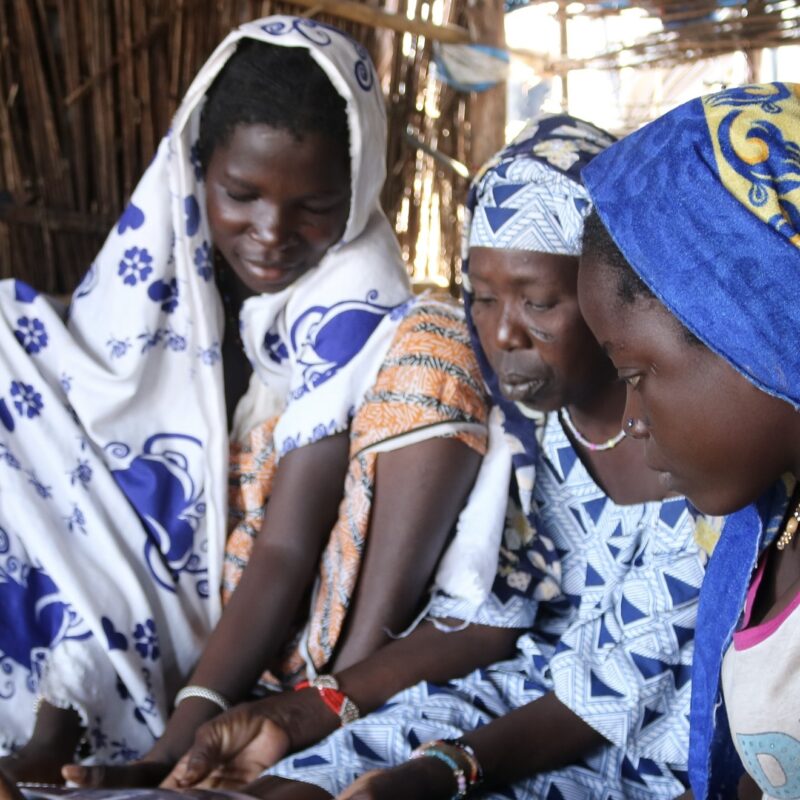
Meeting Targets and Maintaining Epidemic Control (EpiC)
-
Project
Strengthening Infectious Disease Detection Systems (STRIDES)

-
Project
Global Resilience Against Drug-Resistant Tuberculosis (GRAD-TB)

-
Project
Act to End Neglected Tropical Diseases (NTDs) | West (Act | West)
-
Project
Cambodia USAID Enhancing Quality of Healthcare Activity II (EQHA II)
-
Project
Inspire SBC

-
Project
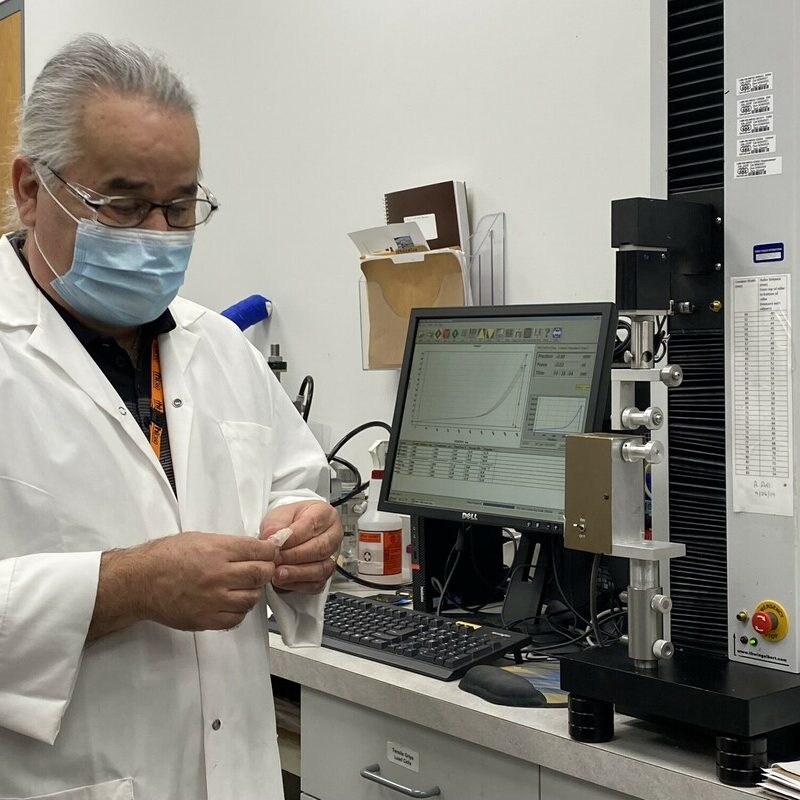
Qualifying, Testing, Issuing (QTI) Project
-
Project
Maximizing Options to Advance Informed Choice for HIV Prevention (MOSAIC)