













Skip to content
FHI 360
  • Languages
  • Low bandwidth
  • High bandwidth
  • Search
  • Who we are
        • Who we are
          • About us
          • Leadership
          • Ethics and safeguarding
          • Impact and financial reports
          • Contact us
        • About us

          Impact and financial reports

  • What we do
        • What we do
          • Economic opportunity
          • Health


        • How we do it
          • Research in action
          • Humanitarian response
          • Digital innovation and AI
        • Explore our expertise
        • Economic opportunity

          Health

  • Where we work
        • Where we work
          • Asia Pacific
          • Central Africa
          • East Africa
          • West Africa
          • Southern Africa
          • Middle East and North Africa
          • Europe and Central Asia
          • Latin America and the Caribbean
          • United States
        • Around the world

          In the United States

  • Work with us
        • Work with us
          • Join our team
          • Local partners
          • Government and multilateral funders
          • Foundations and corporations
          • Academic and research partners
          • Small businesses and vendors
          • CEO position specification
        • Join our team

          Local partners

          Government and multilateral funders

          Foundations and corporations

          Academic and research partners

          Small businesses and vendors

  • News
        • News
          • Newsroom
        • Get the latest news
        • Newsroom

  • Stories
        • Stories & blog
          • Stories
          • Videos (YouTube)
          • Blog
        • Explore our storytelling
        • Our storytelling

          Blog

  • Resources
        • Resources
          • Resource library
        • Resource library

Home | Projects | Qualifying, Testing, Issuing (QTI) Project
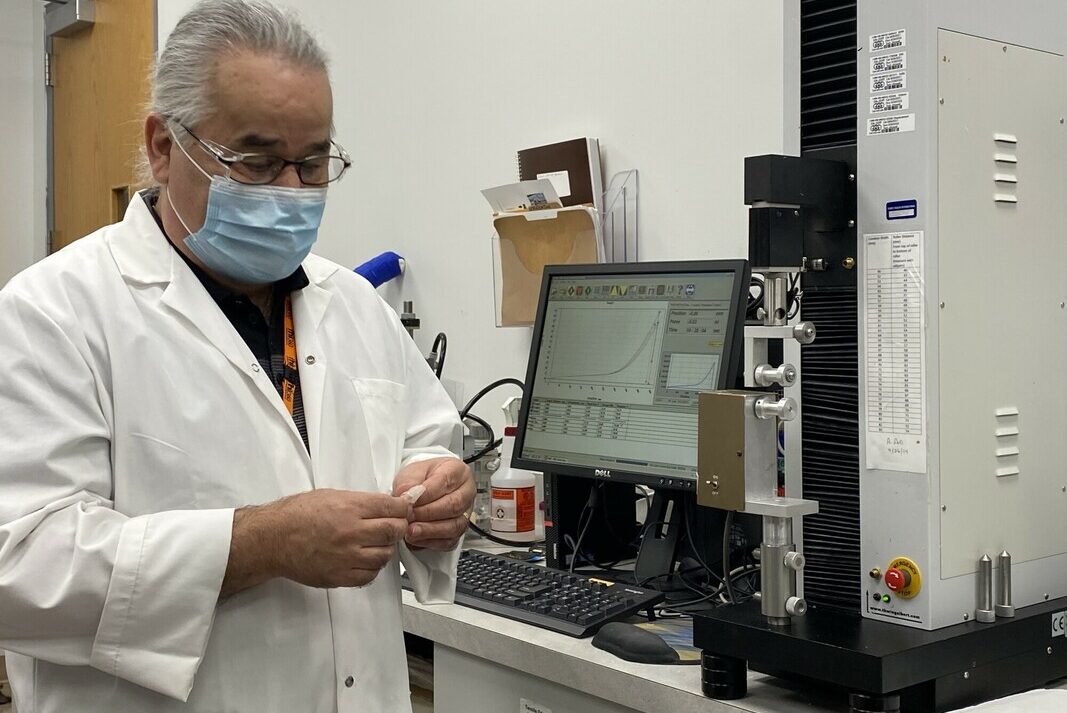
A lab technician stands in front of a computer in a lab, holding a small object.
Photo credit: Rachael Morgan/FHI 360
Project

Qualifying, Testing, Issuing (QTI) Project

Duration

2024 - 2029

Funder

U.S. Department of State

Through the Qualifying, Testing, Issuing (QTI) project, FHI 360 implements a comprehensive quality assurance program using a strategic, risk-based approach to ensure that health commodities procured on behalf of the U.S. Department of State are safe, effective, and of acceptable quality for clients and patients. The project includes:

  • Conducting product risk assessments.
  • Qualifying suppliers of health commodities.
  • Performing audits and evaluations of suppliers.
  • Managing supplier and product eligibility lists.
  • Managing product quality incidents and recalls.
  • Conducting quality control sampling, testing and analysis.

Through these quality assurance and quality control objectives, FHI 360 ensures that the Department of State’s global health supply chain has access to quality-assured health products (including pharmaceuticals, medical devices, in vitro diagnostics and vector control commodities) that support the health responses to HIV, maternal and child health and nutrition, malaria, other infectious diseases and emerging pandemic threats, and more.
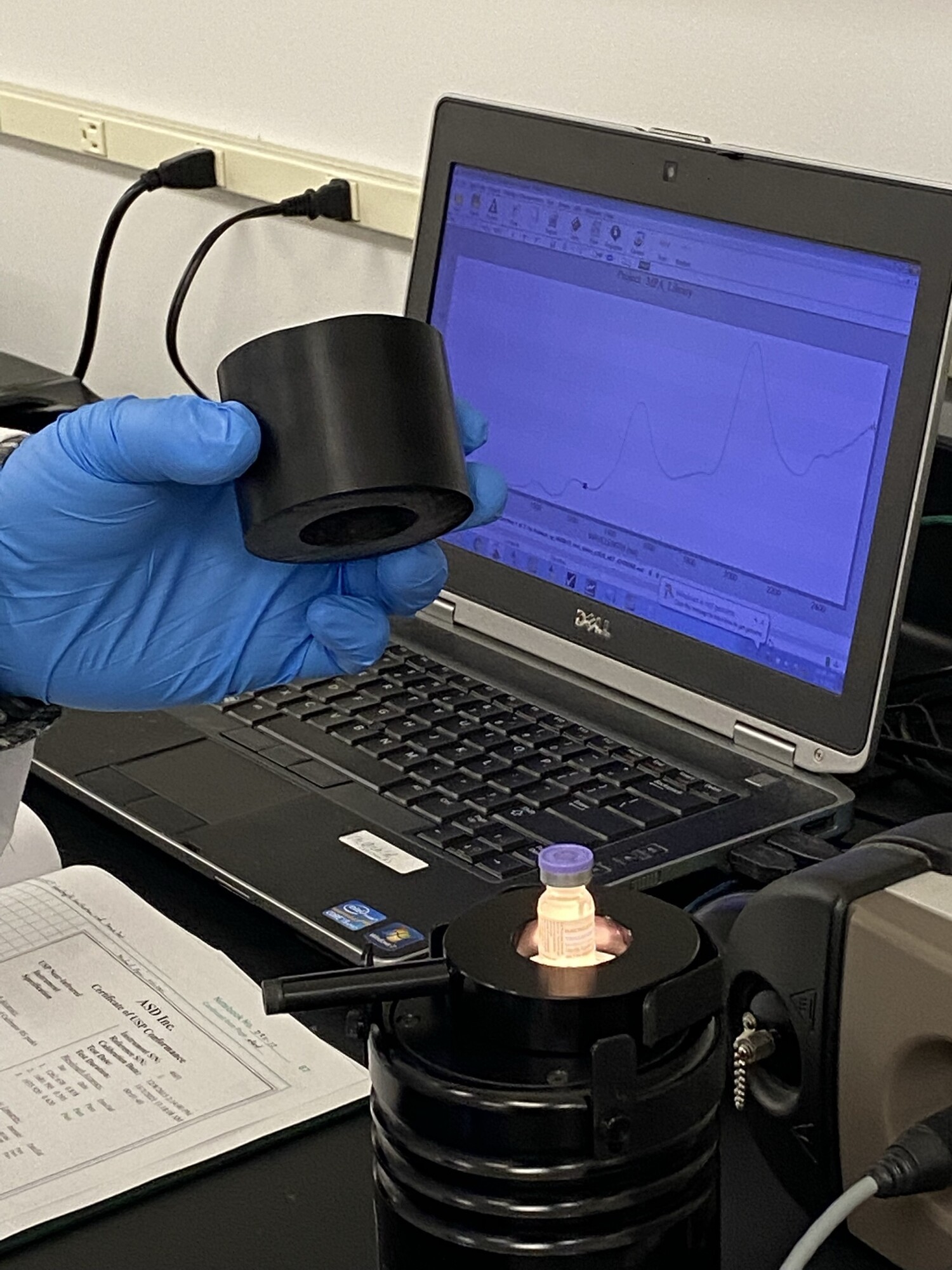
A lab device is held in front of a computer screen by a hand wearing a latex glove.
Spectroscopy-based testing methods analyze samples with light. The reflected spectrum acts as a fingerprint when compared to a data library. Here, a scientist covers a sample before collecting its spectrum. Photo credit: Rachael Morgan/FHI 360

The information provided on this website is not official U.S. Government information and does not represent the views or positions of the U.S. Agency for International Development or the U.S. Government.

Eligibility lists

The eligibility lists below are available as uncontrolled copies for public viewing.

  • Antiretroviral drugs (product types eligible for procurement). Eligible products are listed in the PEPFAR database.
  • Diagnostics, including convenience kits
  • Essential medicines for direct procurement
  • Essential medicines formulary
  • Nutrition
  • HIV rapid diagnostic tests
  • Wholesalers

DISCLAIMER: The information contained in these eligibility lists is provided for informational purposes only and reflects the recommendations for procurement from the procurement service agents for the U.S. Department of State Bureau of Global Health Security and Diplomacy’s global health supply chain. The eligibility lists may not reflect current eligibility status. While efforts have been made to accurately describe each product, the information is based on data available to QTI and may not be comprehensive or reflect the product currently on the market.

These lists are not intended to be an endorsement of any supplier, manufacturer, or product. Donors and other procurement service agents are encouraged to follow their own guidelines and procedures when making procurement decisions.

Because these lists are updated regularly and may change without notice, users are strongly discouraged from saving copies. Accessing the lists directly on this website ensures that you are viewing the most current information.

Share project
Back to top

On this page

Related technical areas

  • Technical Area

    Health

FHI 360

We are a nonprofit organization that mobilizes research, resources and relationships so that people everywhere can access the opportunities they need to lead full, healthy lives.

  • Partner with us
  • Business opportunities
  • Contract mechanisms
  • Small business
  • Our FHI 360 network
  • Events
  • Employee access
  • Contact us
  • Press
  • Privacy notice
  • Ethics and safeguarding

FHI 360 Headquarters
359 Blackwell Street, Suite 200
Durham, NC 27701 USA
1.919.544.7040

Washington, D.C., Office
2101 L St NW, Suite 700
Washington, DC 20037 USA
1.202.884.8000

Anti-trafficking statement

Connect

Sign up for our mailing list and receive the latest updates from FHI 360 straight to your inbox!

  • LinkedIn
  • Facebook
  • X
  • Youtube
  • Instagram

FHI 360 is the registered trade name of Family Health International.

©2026 FHI 360

We are using cookies to give you the best experience on our website.

You can find out more about which cookies we are using or switch them off in .

FHI 360
Powered by  GDPR Cookie Compliance
Privacy overview

This website uses cookies so that we can provide you with the best user experience possible. Cookie information is stored in your browser and performs functions such as recognising you when you return to our website and helping our team to understand which sections of the website you find most interesting and useful.

Essential cookies

Essential cookies should be enabled at all times so that we can save your preferences for cookie settings. However, they can be enabled or disabled using the button below.

Non-essential cookies

This website uses Google Analytics to collect anonymous information such as the number of visitors to the site, and the most popular pages.

Keeping this cookie enabled helps us to improve our website.