






Resource Type: Other
-
FHI 360 Annual Report 2014
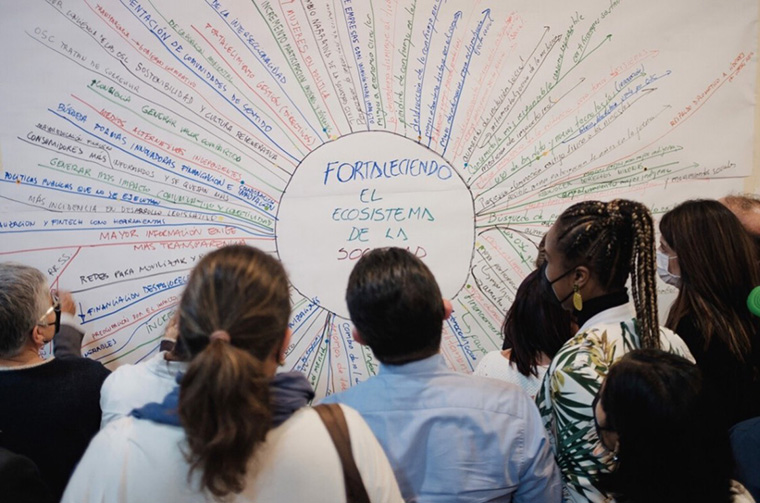
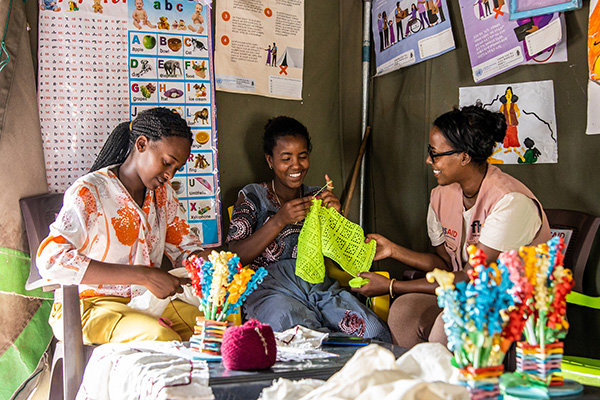
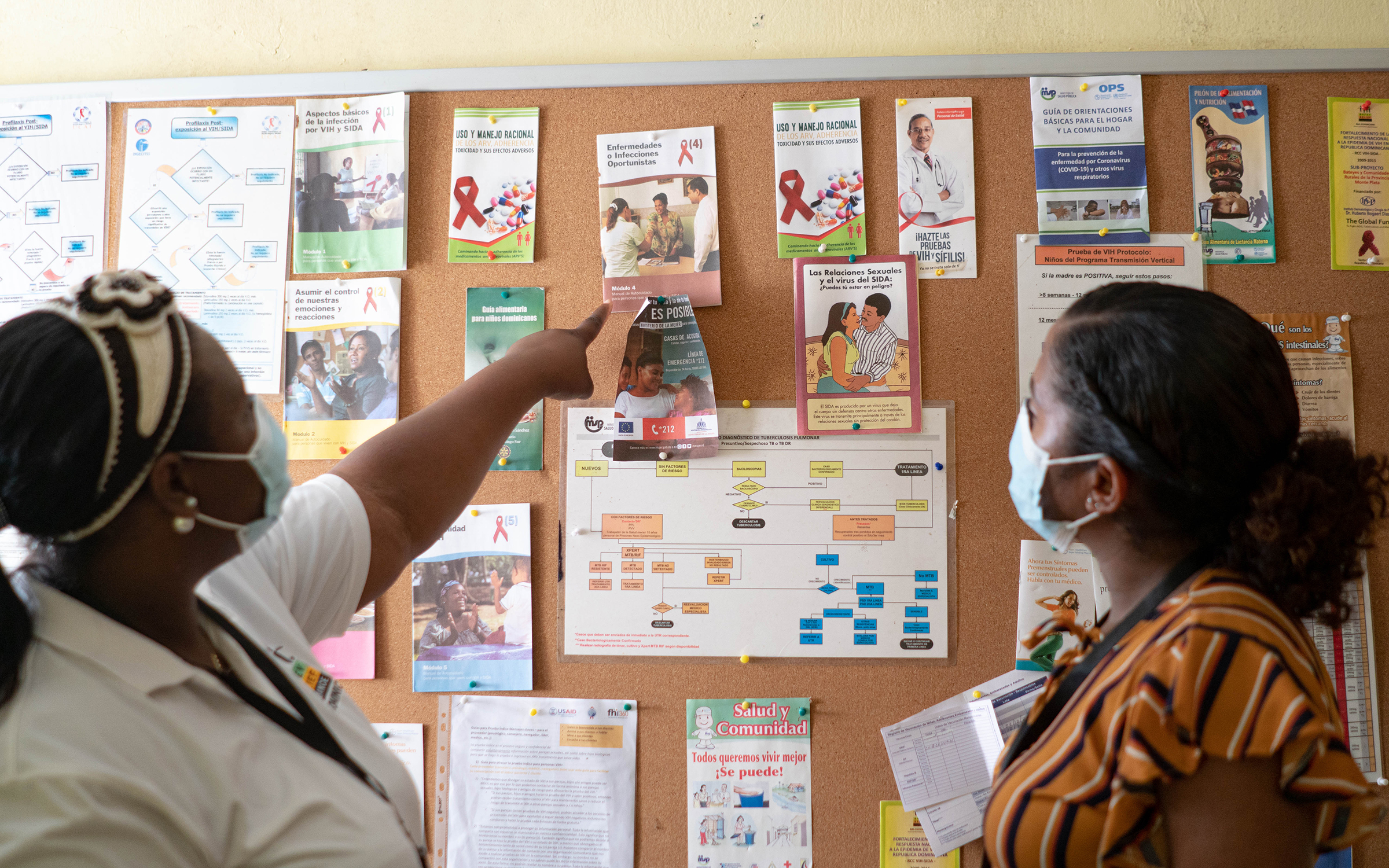
In this annual report, we provide a glimpse into a few of the ways we are catalyzing change in communities around the world — from strengthening health systems, to connecting people to jobs, to expanding education opportunities for girls.
-
NAHR Code of Ethics
February 2015 — The Network of Associations for Harm Reduction (NAHR) project created the first code of ethics for harm reduction projects in Egypt. This document guides the ethical principles and behaviors of NAHR members and service providers. The Code of Ethics is divided into two parts: NAHR General Code of Ethics for all NAHR Members.…
-
Presentations from Implementation Science in Global Health: Maximizing Impact in an Imperfect World
September 2014 — On September 4, 2014, FHI 360 hosted a one-day symposium focused on implementation science applied to health services in low- and middle-income countries. The event, Implementation Science in Global Health: Maximizing Impact in an Imperfect World, brought together researchers, practitioners and funders for an engaging discussion about producing and applying evidence to…
-
FHI 360 Global Learning: Where We Work
August 2014 — FHI 360 works in more than 150 countries to bring innovative and evidence-based solutions to the most pressing development challenges in international education and leadership development. View this map to see where our Global Learning team currently works!
-
Arise Program, 2014 International AIDS Conference, July 24, 6:30–8:30 p.m., Plenary 3
Arise Program partners will gather to discuss key HIV prevention activities, achievements and lessons learned from interventions targeting hard-to-reach populations.
-
Annual Report 2013
Results matter. In our 2013 annual report, we look at some of the many ways FHI 360 is expanding opportunities and improving the quality of life in communities across the world.
-
Big Decisions. Better Systems.
November 2013 — This “Mobiles!” presentation by Eric Couper, Senior Program Associate, Ethiopian Agricultural Transformation Agency describes how recent changes can transform central planning in the developing world.
-
FHI 360 Annual Report 2012
-
The Cairo Declaration of Religious Leaders in the Arab States in Response to the HIV/AIDS Epidemic (PDFs in Arabic and English)
December 2004 – FHI 360 collaborated with the United Nations Development Programme and the Joint United Nations Programme on HIV/AIDS, under the auspices of the General Secretariat of the League of Arab States, to host the Regional Religious Leaders Colloquium. This colloquium was part of a series of activities implemented by FHI 360’s Implementing AIDS…
-
Relever les Défis: Capacity-building of the Reproductive Health Division in Senegal
March 13, 2012 — This presentation was given during an end-of-project meeting conducted by the PROGRESS project. PROGRESS (Program Research for Strengthening Services) is a five-year project awarded to FHI 360 by the U.S. Agency for International Development (USAID) in June 2008. The project seeks to improve access to family planning among underserved populations by providing…