





Resource Type: Fact sheet
-
Introducing the District Summer Learning Network
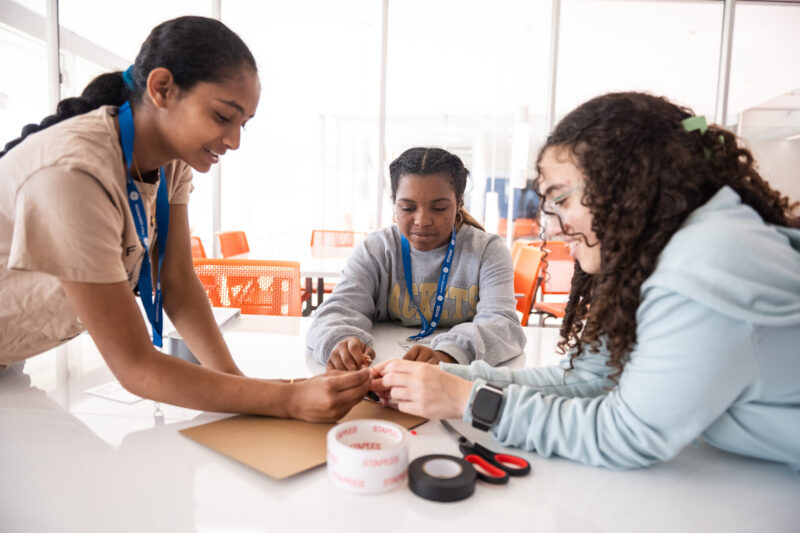
January 2022 — This fact sheet provides an overview of the District Summer Learning Network (DSLN) project, funded by The Wallace Foundation, which helps school districts across the country maximize the tremendous potential of summer learning programs to promote student well-being.
-
Project LEO: Linking expenditures to outcomes in global health programs
November 2021 — This brief describes a budgeting process developed by FHI 360 that enables program staff to explicitly link their budgets to the achievement of specific program outputs and outcomes. Linking Expenditures to Outcomes, or LEO, provides a transparent, reviewable way to align program expenditures with program costs. After a budget has been developed,…
-
Early Care & Education Fact Sheet
November 2021 — For more than 30 years, FHI 360’s Early Care and Education (ECE) team has addressed the needs of children and their families across the continuum of learning and development, with an emphasis on birth to age 5. Our team works collaboratively with our partners to: Strengthen teaching and learning Address health and…
-
Fleming Fund Country Grant Vietnam Factsheet
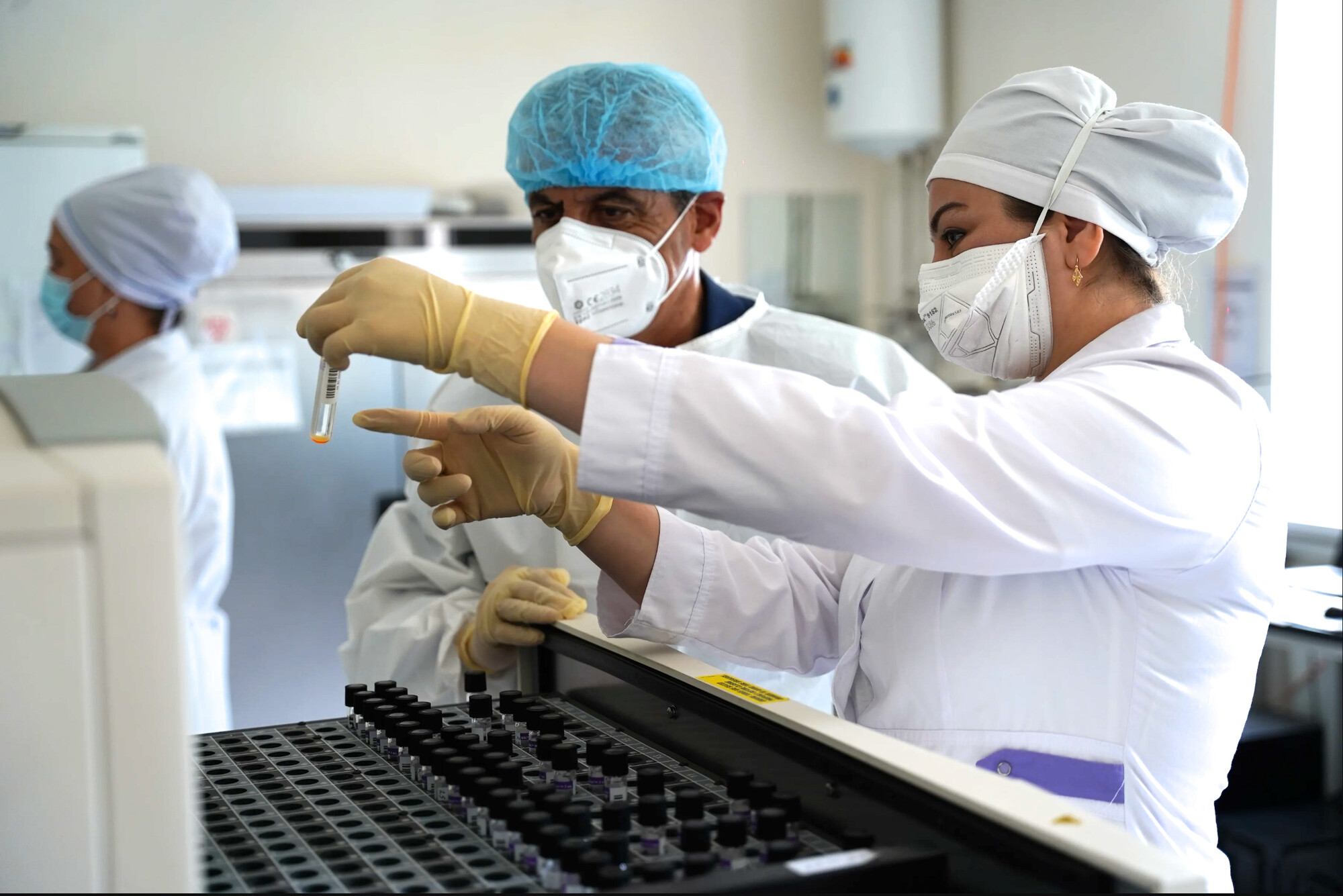
This fact sheet provides comprehensive information about the Fleming Fund Country Grant in Vietnam, including its background, objectives and critical achievements strengthening surveillance of antimicrobial-resistant (AMR) bacteria and antimicrobial use (AMU) while ensuring sustainability.
-
Sharing Best Practices in Active Partner Management for Accountability – CDS OVCY Program
This resource summarizes the approach the Capacity Development and Support (CDS) project used to support its subawardees in meeting their performance targets and delivering their programs effectively.
-
LLPTA Lesotho Local Partners Technical Assistance
This document summarizes the Capacity Development and Support project’s activities in Lesotho through the LLPTA (Lesotho Local Partners Technical Assistance) Project.
-
Afya Uzazi Surge Model for RMNCH Service Delivery
June 2021 — To address persistently low rates for antenatal visits and delivery at facilities with skilled birth attendance among women in six subcounties in Kenya, the Afya Uzazi project developed an integrated activity that merged high-frequency monitoring and data use for intensified community and client engagement. The “surge” initiative used weekly staff data reviews to…