



Resource Type: Fact sheet
-
Health (fact sheet)
July 2012 — FHI 360 research, strategic partnerships and communication expertise boost health systems’ ability to tackle challenges such as communicable diseases, child survival, maternal mortality and the growing global burden of chronic conditions, including cardiovascular disease and diabetes.
-
A Global Response to Noncommunicable Disease (fact sheet)
May 2012 — Noncommunicable diseases (NCDs) — including cardiovascular disease, cancer, diabetes and chronic lung diseases — are a growing threat to the health and prosperity of individuals living in all regions of the world. The World Health Organization (WHO) estimates that 63 percent of the 57 million deaths each year are linked to NCDs. In…
-
Global Leadership in Family Planning (fact sheet)
July 2012 — Over the past 40 years, FHI 360 has made major contributions to global health through family planning research and services. Our clinical trials and applied social science research have helped define global norms for family planning services. Collaborating with a wide range of partners — from international normative bodies and ministries of health…
-
Expanding Male Circumcision for HIV Prevention (fact sheet)
September 2011 — As part of a comprehensive HIV prevention strategy, male circumcision is proven to reduce HIV risk. A multifaceted intervention is needed to prepare service delivery sites and create an environment for expansion. This document is part of a series of briefs for health program managers interested in implementing evidence-based programs. With a special…
-
Inspiring Citizens, Improving Communities
2008 — Armenia has made modest progress in developing civil society and democratic government, with many of the efforts supported by donor activities. The nongovernmental organization sector has become more robust and local governments, parliament and the judicial system have been strengthened. Additional support to encourage civic engagement, develop independent and more effective media, and build stronger…
-
Ethiopian Communities Mobilize to Support Conservation and Economic Development
2010 — The Ethiopia Sustainable Tourism Project is mobilizing local communities to enhance conservation and promote economic development throughout the Central and Southern Rift Valley, the Bale Mountains and Awash National Park. This document gives an overview of that work.
-
National Laboratory Capacity Building Program: Vietnam
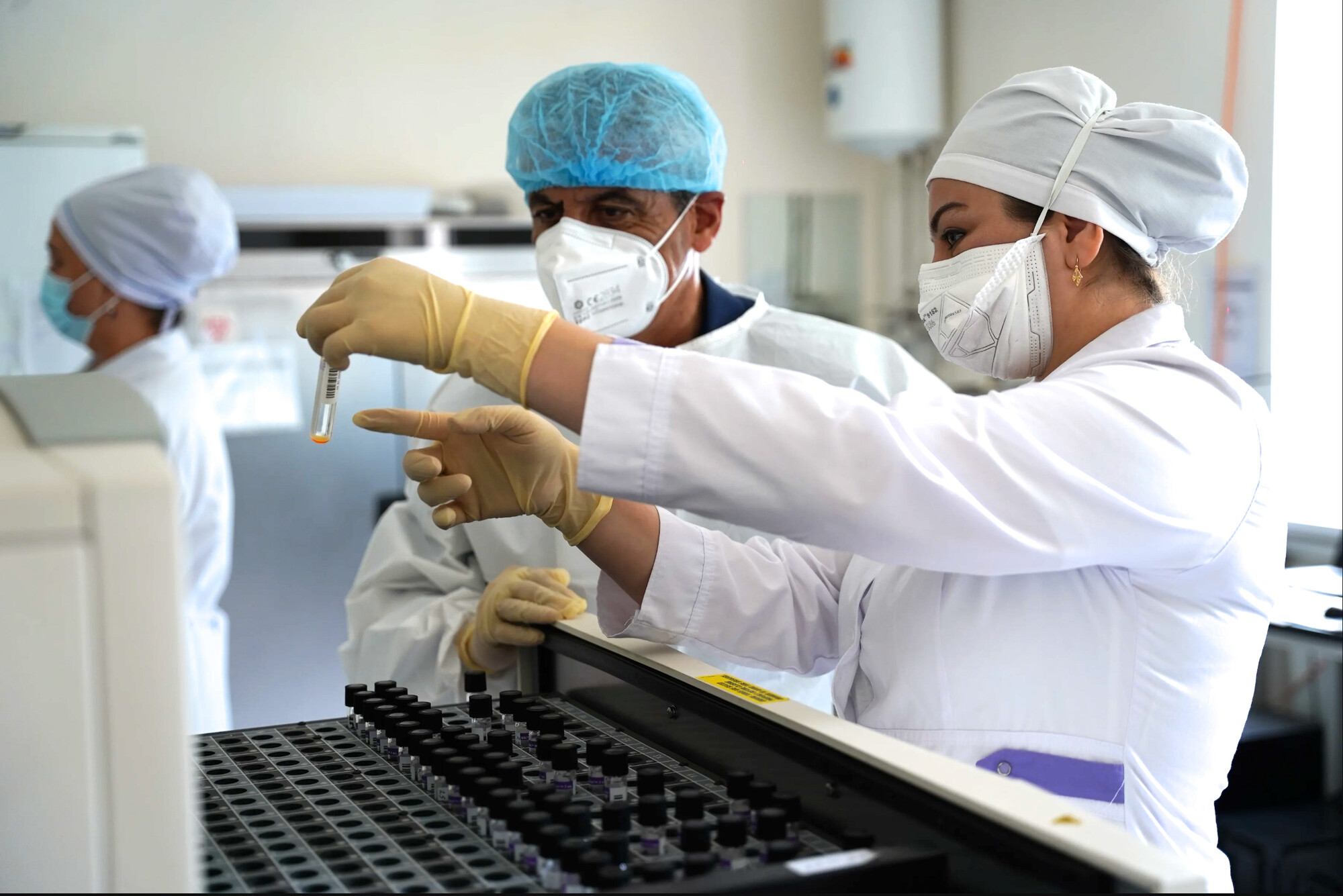
2012 — As part of an effort to improve standards of quality and quality management systems (QMS) in government laboratories throughout Vietnam, the National Laboratory Capacity Building program was initiated in 2010 with funding and technical support from the U.S. Centers for Disease Control and Prevention and the U.S. President’s Emergency Plan for AIDS Relief. The…
-
Parent to Parent Support
January 2011 — Parent to Parent is a program that provides information and one-to-one emotional support to parents of children who have special needs. This short publication describes the program.