




Language: English
-
Integration of HIV and Noncommunicable Disease Care (fact sheet)
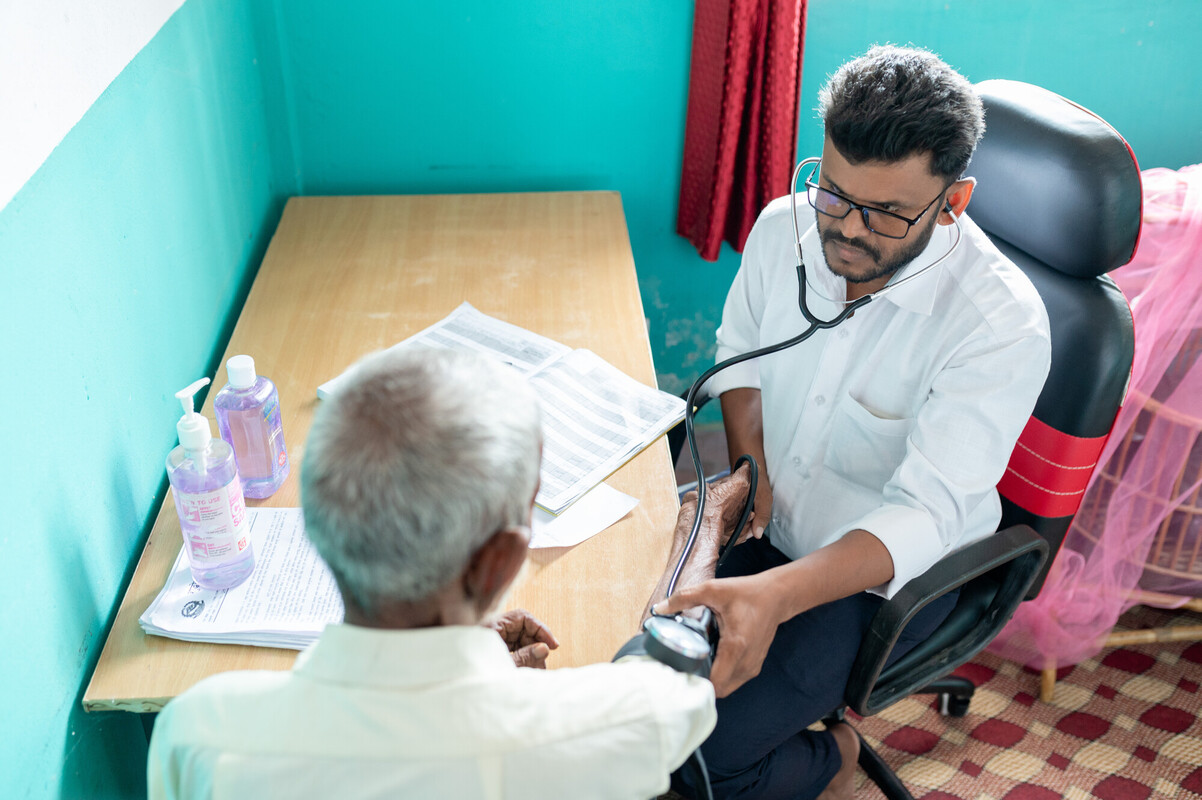
July 2014 — This fact sheet describes FHI 360 efforts in the integration of care for individuals with HIV and noncommunicable diseases (NCDs). FHI 360 has been at the forefront of the AIDS epidemic and also provides leadership to address the emerging global health issue of NCDs, which include cardiovascular disease, diabetes and mental health.
-
Connecting Research to Practice: Voluntary Medical Male Circumcision for HIV Prevention (fact sheet)
July 2014 — FHI 360 works with partners to translate evidence of voluntary medical male circumcision as a preventive measure against HIV into public health policies and programs through technical support, research and communications. This fact sheet highlights our efforts.
-
Research on Hormonal Contraception and HIV Acquisition (fact sheet)
July 2014 — This fact sheet presents FHI 360’s research on the relationship between hormonal contraception and HIV acquisition. FHI 360 conducted a large meta-analysis of data from more than 37,000 women in sub-Saharan Africa to evaluate whether hormonal contraceptive use was associated with a risk of acquiring HIV. We are also helping to lead…
-
Contraceptive Technology Innovation brochure
2016 — Throughout our 40-year history, FHI 360 has helped increase access to family planning by developing, evaluating and introducing a range of new contraceptive methods. Research is under way to develop innovative mid- to long-acting contraceptives to provide high-quality, acceptable and affordable products for women most in need in low-resource settings. This brochure provides a summary…
-
Well Women’s Clinic
2014 — This one-page fact sheet describes who can be served and the services provided at the Well Women’s Clinic, a medical facility at Mt. Hagan General Hospital in Papua New Guinea. The clinic provides checks for cervical cancer and services for survivors of violence, including rape, sexual assault, physical assault, forced marriage, denial of resources,…
-
Powerful Voices
2014 — This booklet depicts the lives of 49 women in Papua New Guinea, using their photographs and stories from the Powerful Voices project — an FHI 360 project helping women use digital photography to document their lives and speak out on issues of concern to women in their villages and settlements. As part of the…
-
Three Days
2014 — This brochure describes when to obtain post-exposure prophylaxis (PEP) to prevent HIV infection after a sexual assault and what happens during treatment at local health centers, clinics and HIV testing centers in Papua New Guinea. The brochure was developed by the Komuniti Lukautim Ol Meri Project (KLOM): Addressing Violence against Women and Girls in…
-
Minnesota Principal Evaluation: Model Pilot Study (full report and executive summary)
April 2014 — This report summarizes the findings from an FHI 360 study of the pilot implementation of a principal evaluation system mandated by the Minnesota State Legislature in 2011. The study was supported by a grant from the Bush Foundation and was commissioned by the Minnesota Department of Education. During the 2012–2013 school year, a principal…
-
Annual Report 2013
Results matter. In our 2013 annual report, we look at some of the many ways FHI 360 is expanding opportunities and improving the quality of life in communities across the world.
-
2012 Mapping, Size Estimation & Behavioral and Biological Surveillance Survey (BBSS) of HIV/STI among Select High-Risk Sub-Populations in Botswana
July 2013 — In 2012 with funding from USAID’s Preventive Technologies Agreement (PTA), FHI 360 worked with the Government of Botswana to conduct a biological and behavioral surveillance survey (BBSS) among those at an increased risk for HIV. The results, outlined in this technical report, provide evidence that certain subpopulations in Botswana are more affected…