




Language: English
-
SBCC for Frontline Health Care Workers
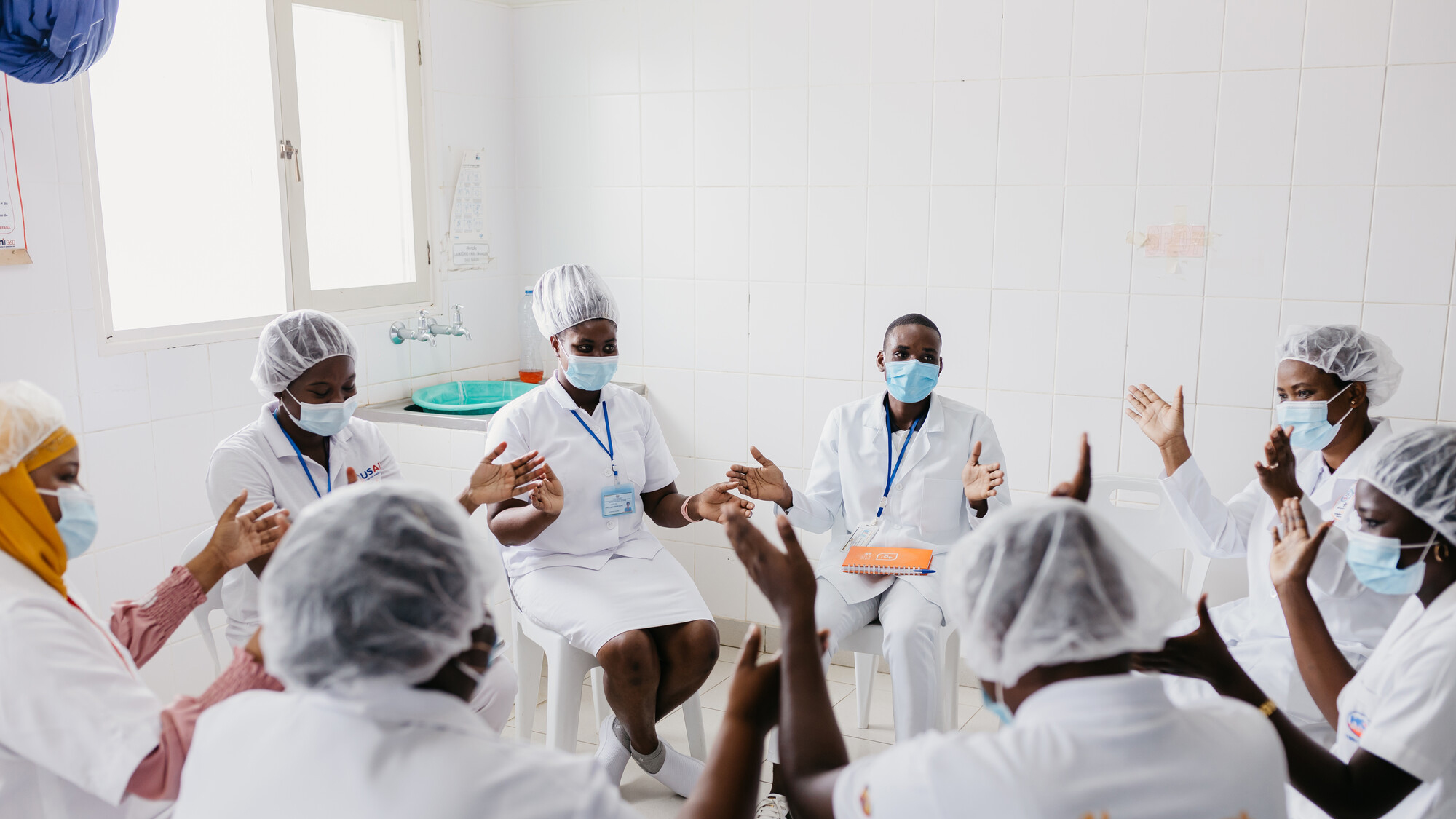
May 2012 — Social and Behavior Change Communication (SBCC) for Frontline Health Care Workers is a learning package for use in face-to-face workshops with nurses, community health extension workers, and HIV counselors on SBCC and interpersonal communication (IPC). The package comprises a Facilitator’s Guide and a Participant Handout Packet with worksheets.
-
Gender Integration Framework: How to Integrate Gender in Every Aspect of Our Work
2012 — This framework offers guidance on how research and programs can systematically identify and challenge gender-based inequalities that pose barriers to development. Integrating gender considerations into the planning, design, implementation and measurement of FHI 360’s research and programs and promoting the utilization of gender-related findings and evidence-based practices will maximize FHI 360’s contributions to development goals,…
-
Accessing Quality Middle School Education Through Curricular Reform: The Case of USAID/Basic Education Project – Senegal
Presentation by Guitele Nicoleau at CIES 2013, New Orleans, LA
-
What do secondary education graduates need to know to succeed in an emerging African economy?
Presentation by Sergio Ramirez at CIES 2013, New Orleans, LA
-
Standards of Care (SOC) for Programs on Prevention of Mother-to-Child Transmission (PMTCT) of HIV
October 2012 — FHI 360’s PMTCT standards are built on scientific evidence and expert opinions. Our standards, which are coupled with PMTCT indicators, are summarized in an action table to help program and technical managers monitor PMTCT activities and take appropriate actions as needed.
-
Great Science for Girls Program Quality Tool
2011 — The Great Science for Girls Program Quality Tool can be used to help afterschool programs and the organizations that operate them ensure high-quality programming. Through the use of the tool, programs can learn about the strengths of their offerings, as well as identify areas to improve. The tool was created with the goal of facilitating understanding and awareness…
-
HIV/AIDS Materials for Religious Leaders
2004 – More than 80 Arab religious leaders agreed unanimously to respond to HIV/AIDS by signing the Cairo Declaration during the Regional Religious Leaders Colloquium in Cairo. This colloquium was coordinated by FHI 360 and the U.S. Agency for International Development (USAID), along with the United Nations Development Programme, the Arab League and the Joint…
-
Empowerment of Women: International Woman’s Day 2013
March 2013 — Read about how FHI 360, through the USAID-funded Saath-Saath project, is working to strengthen gender equality and reduce gender-based violence in Nepal.