

Article Type: Story
-
FHI 360 rapidly mobilizes to deliver urgently needed oxygen in Haiti
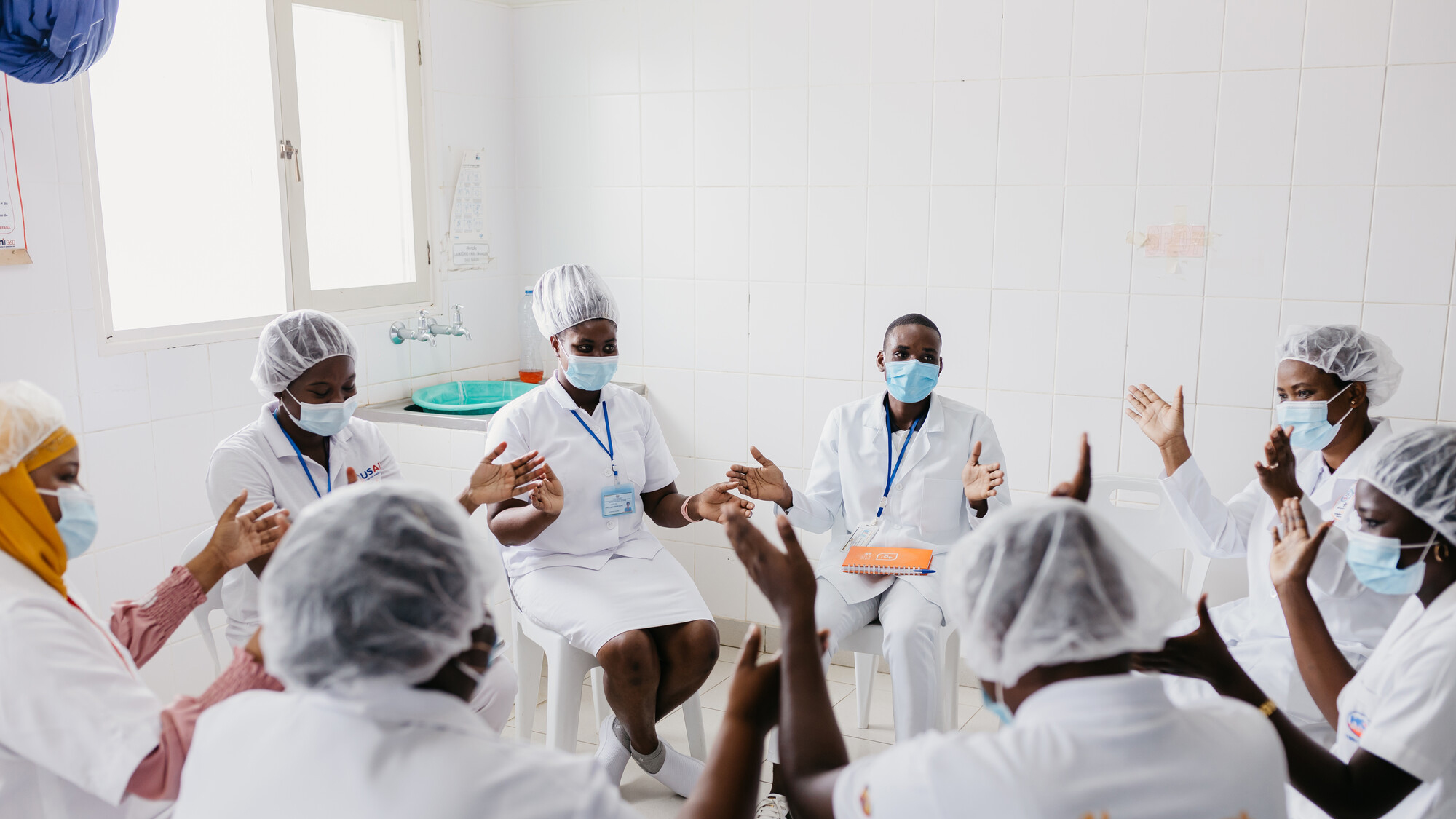
Hospitals and clinics across Haiti have experienced critical shortages of medical oxygen — an essential treatment for people with moderate to severe cases of COVID-19. Fuel shortages, a blockaded port, civil unrest and curfews, supply chain issues and broken oxygen generators have all presented significant challenges to making oxygen available where — and when —…
-
‘Integration is a gift’: How FHI 360 fought undernutrition and poverty in Uganda
As FHI 360 marks its 50th anniversary, explore our history of solutions and future of possibilities. At FHI 360, we believe that making positive change requires integrated solutions. That’s why our projects often take a multisectoral approach that taps into our varied areas of expertise. In Uganda, and around the world, poverty and undernutrition are…
-
In Kosovo, Fjolla transforms the landscape of education
The education system in Kosovo is ripe for reform. School infrastructure, well-trained teachers and quality learning materials are all lacking, and many students — especially those in minority and low-income groups — struggle to access the education they need to excel and lead productive lives. That’s why Fjolla Dumoshi decided to create an online learning…
-
Targeting tuberculosis in Vietnam
The Government of Vietnam has committed to ending tuberculosis (TB) in that country by 2030.
-
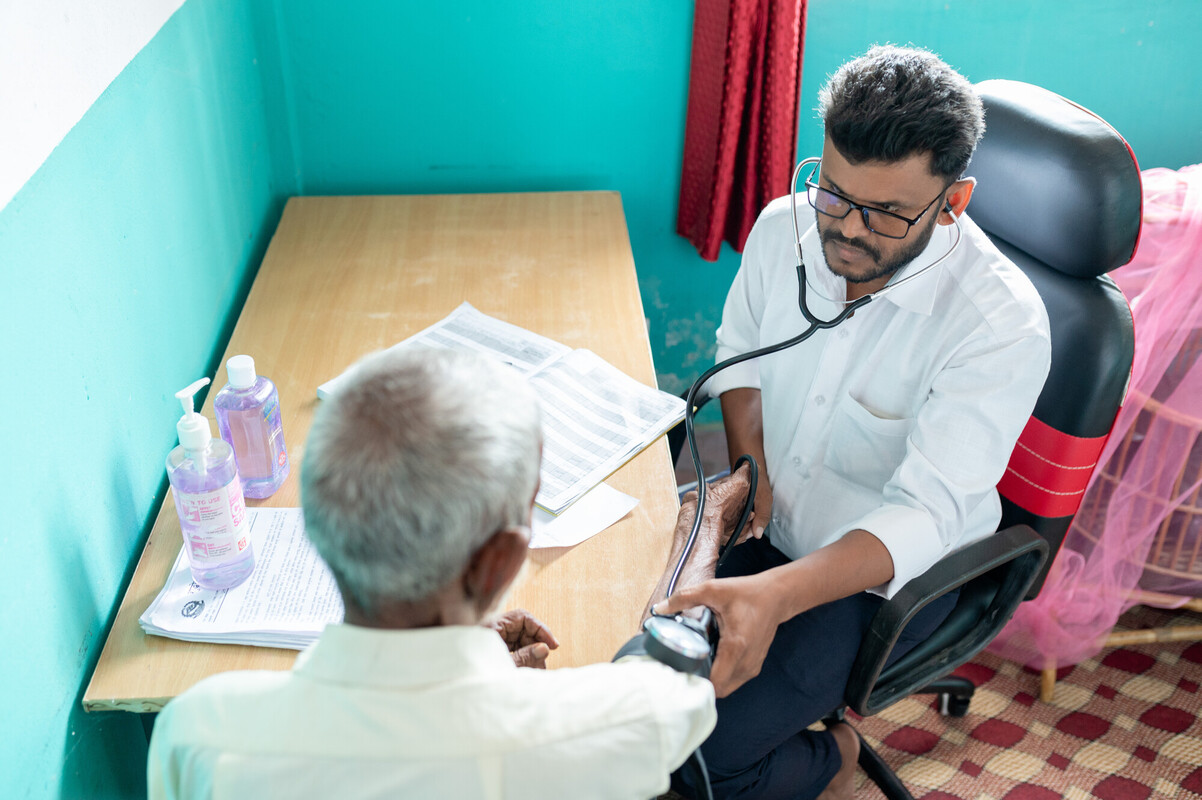
Improved laboratory and health systems are more important than ever
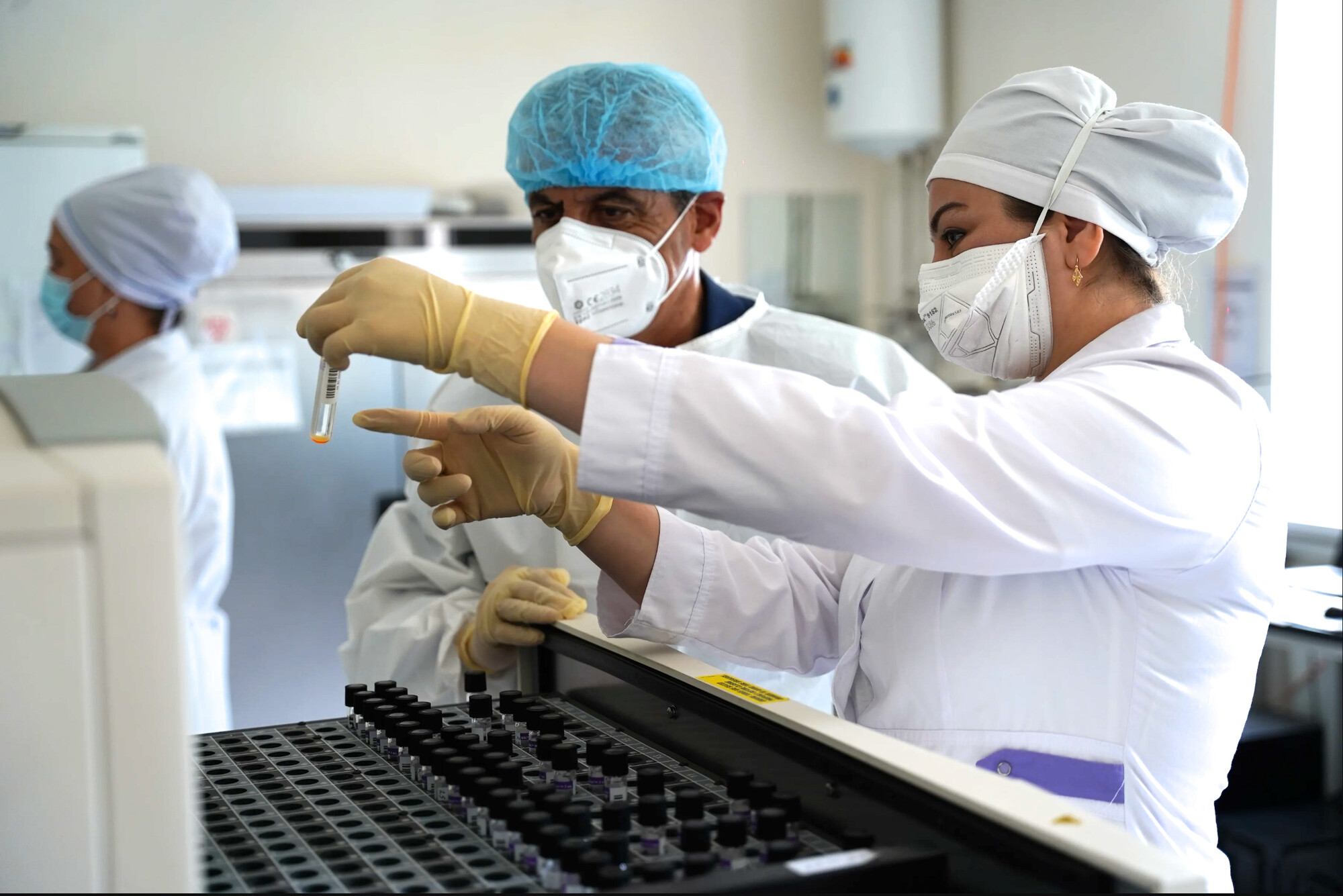
The COVID-19 pandemic exposed significant weaknesses in how governments and the medical community handle infectious diseases, including viruses. It also identified opportunities to strengthen health systems to address future outbreaks of infectious diseases. For decades, FHI 360 has been deeply involved in efforts to strengthen health systems, knowing the essential role in delivering promising public…
-
In Tunisia, youth boost the national vaccination effort
As Tunisia recovers from a catastrophic third wave of COVID-19 and braces for a fourth, the country is racing to get as many people vaccinated as possible — and making incredible progress.
-
From mercury to microneedles: A brief history of contraceptive innovation
Throughout history, people have sought to manage their fertility. Some of the methods they used to prevent pregnancy were dangerous and ineffective. Others form the basis of modern contraceptive methods. Today, despite the availability of a wide range of contraceptive products, more than 200 million women who want to manage their fertility lack access to…
-
Photo story: Youth build skills in Uganda
In 2020, 50 youth in two refugee settlements in Uganda developed skills in research, communication, advocacy, problem-solving and teamwork through their participation in the UNICEF/Uganda Youth Participatory Design and Monitoring Activity.