


Article Type: Story

  • Fighting the spread of cholera in Yemen

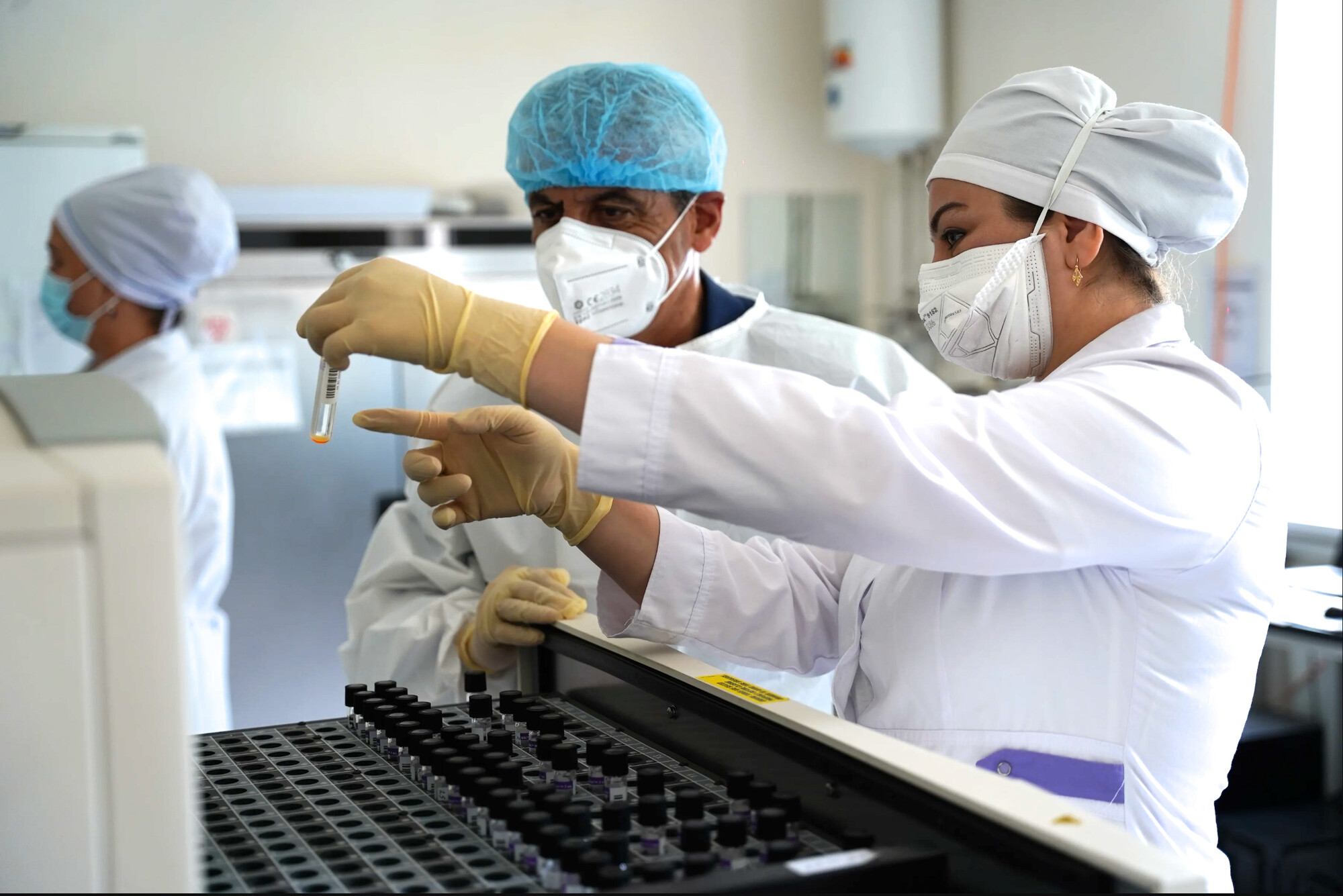
    In Yemen, more than 164,000 suspected cases of cholera were reported during the first three months of 2019. Children younger than five comprise nearly one-third of the cases, with more than 1,000 a day being infected in the last few weeks alone. With the rainy season approaching, there is growing urgency to prevent the spread…

  • Photo story: Bringing TB prevention and care into communities

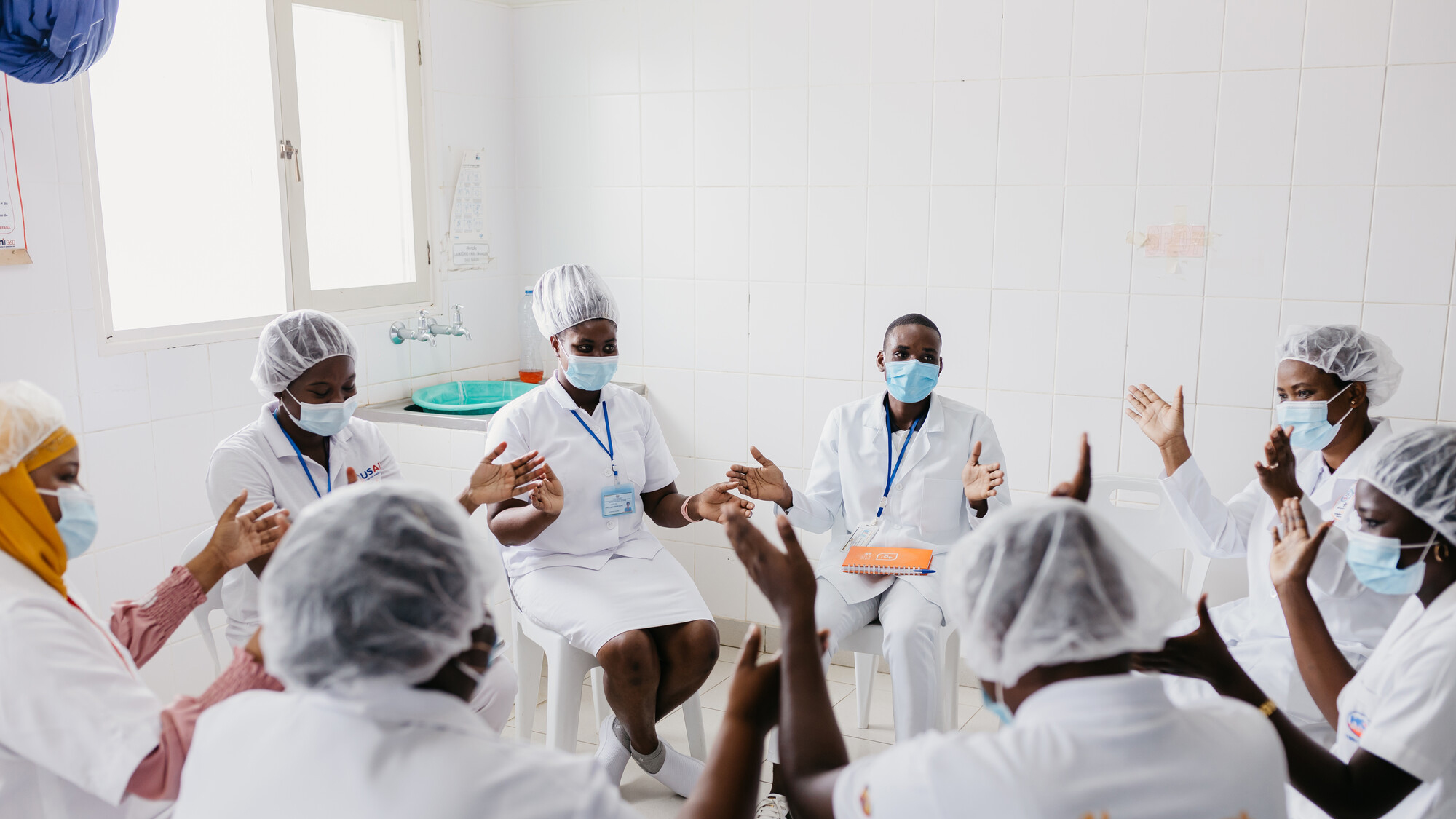
    Although global efforts have averted an estimated 54 million tuberculosis (TB) deaths since 2000, TB remains the world’s deadliest infectious disease. In Mozambique, the burden of TB is high – there are an estimated 163,000 TB cases each year, less than half of which are found, diagnosed and treated. A majority of the country’s population…

  • Giving back to STEM: A young woman uses her experience to encourage others

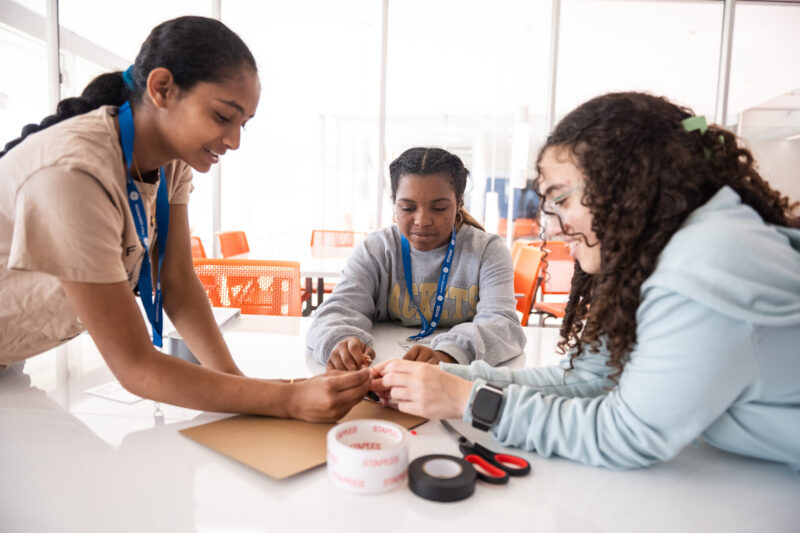
    The demand for science, technology, engineering and math (STEM) professionals continues to rise. Between now and 2024, the number of STEM-related jobs could increase by 17 percent, compared with just 12 percent for non-STEM-related jobs. Despite the promising job outlook, however, women have been less likely than men to pursue careers in these fields. Many…

  • Career counselor plays critical role as Moroccan university students seek jobs

    There is a saying in Morocco: When you don’t have something, you can’t give it. But, Asmae Mani has a different one: When you feel and experience something, then you can share it with someone who needs it. That philosophy guides her work as a career counselor at the University of Casablanca Career Center, one…

  • Policy change in Uganda allows drug shops to offer injectable contraception

    Private drug shops – local shops that are often the closest health care facility for women in Uganda – can now offer injectable contraception in some locations. This is a significant win for women, especially in rural areas where access to health facilities is limited. Almost ten years ago, FHI 360 began the work that…

  • New opportunities for work, education help break cycles of recidivism

    Reentering the community after incarceration can be a difficult process that is unsuccessful all too often for millions of women and men across the United States. Successful reentry depends on the services and support available to these individuals and a multifaceted approach for all areas of a person’s life. One of the groups most vulnerable…

  • Outreach clinics provide much-needed vaccines for children in remote Kenyan communities

    Immunization is a basic health service that is available for free in dispensaries, health centers and hospitals throughout Kenya. But, women and children who live far from health facilities often face significant challenges in getting this essential service. Felista Taila, a mother of four, lives in the village of Kabuswa, 40 kilometers from the Mogotio…

  • Three lessons learned from FHI 360’s Ebola response in the Democratic Republic of the Congo

    On May 8, 2018, the Democratic Republic of the Congo (DRC)’s Ministry of Health declared an Ebola virus disease outbreak in Equateur Province in the country’s northwest region — the ninth outbreak in DRC over the last four decades. The international response to this Ebola outbreak was swift and effective, and as a result, the…

  • New FANTA resources to fight malnutrition

    FHI 360’s Food and Nutrition Technical Assistance III (FANTA) project provides research and evidence to strengthen food security and nutrition policies, strategies, programs and systems in developing countries. The project has published two new resources for researchers, policymakers and practitioners who focus on fighting malnutrition. Learn more about other FANTA tools and publications for stakeholders…

  • In South Africa, weekly gatherings offer women the support and skills they need to decrease their HIV risk

    In Lawley, a township south of Johannesburg, South Africa, women gather weekly to discuss their lives and relationships. But, these are not casual meetings; these women are participating in Stepping Stones sessions. Stepping Stones is an evidence‐based training that applies participatory learning approaches to guide participants through a series of topics, including gender, sexuality, HIV,…

FHI 360
Privacy overview

This website uses cookies so that we can provide you with the best user experience possible. Cookie information is stored in your browser and performs functions such as recognising you when you return to our website and helping our team to understand which sections of the website you find most interesting and useful.