







Article Type: Story
-
Vietnam looks to local communities to tackle noncommunicable diseases
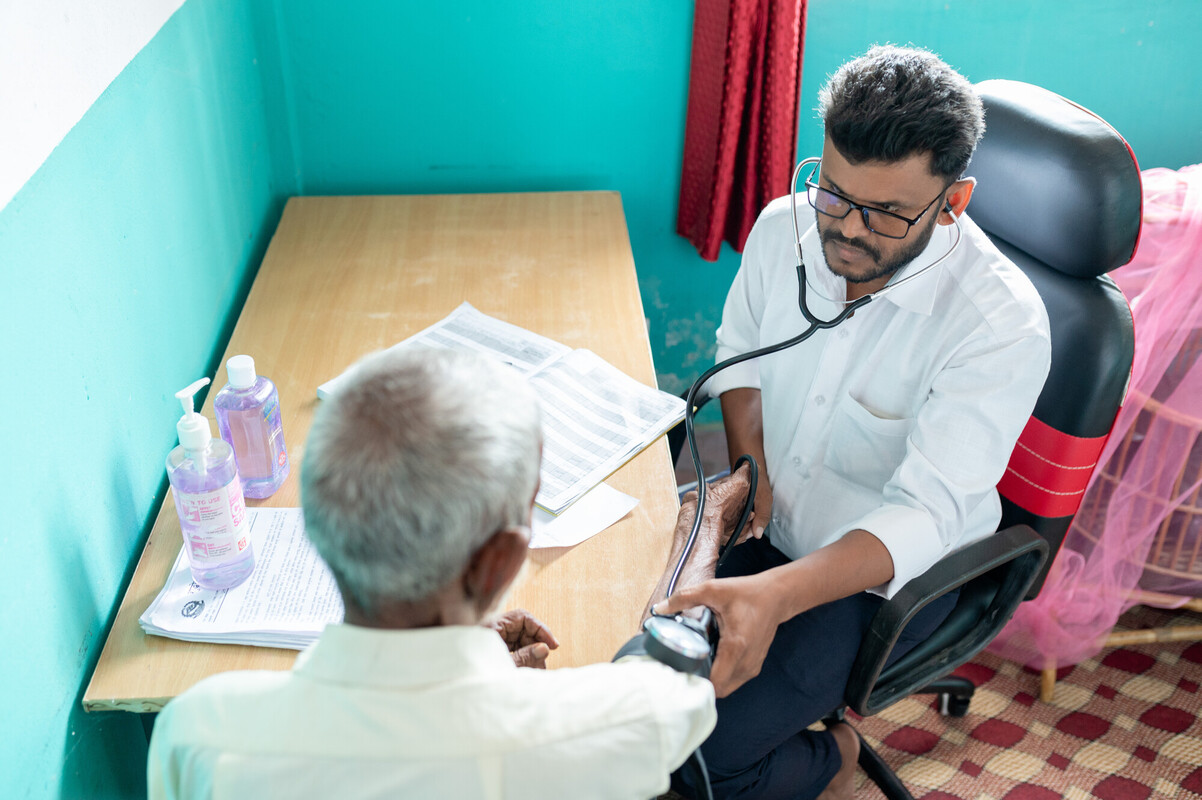
In Vietnam, community engagement and empowerment are proving to be powerful strategies for controlling noncommunicable diseases (NCDs), such as hypertension and diabetes. NCDs cause more than 500,000 deaths each year in Vietnam. A 2015 Ministry of Health report on NCDs estimated 20 percent of adults live with hypertension and 4 percent with diabetes. To combat…
-
Early childhood language summits build collaboration, community among Native American tribes
Across the United States, less than 2 percent of the 46,000 Native American and Alaskan native children who are enrolled in Head Start and Early Head Start programs speak their tribal languages at home. To preserve and maintain these languages, it is critical to ground young children in their heritage. But, what are the best…
-
Safe and dignified burials reduce the spread of Ebola in the DRC
In the Democratic Republic of the Congo (DRC), violence and mistrust are potent factors in the spread of Ebola virus disease (EVD). One rumor in the district of Nyakasanza alleged that burial teams were harvesting human organs from the bodies of the deceased for illegal trade. To allay fears and dispel misunderstanding, FHI 360’s crisis…
-
Responding to technology disruptions: The Future Workforce Now initiative
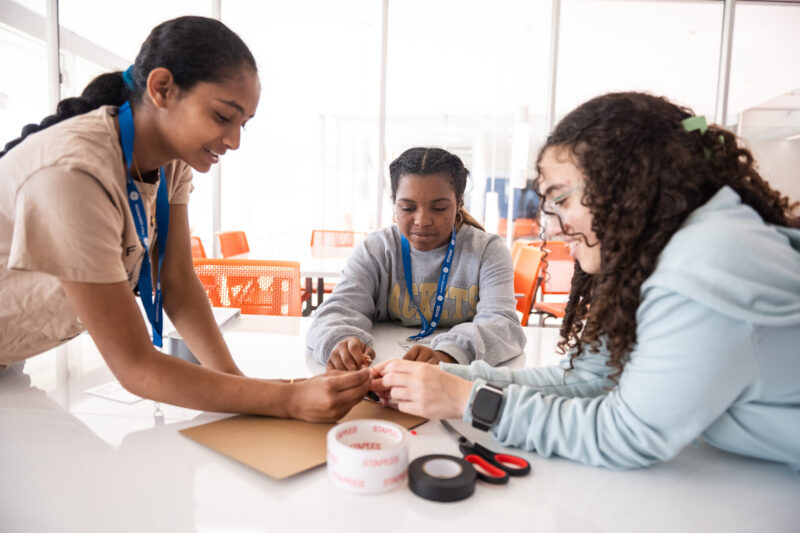
Disruptive technologies – such as robotics, big data, artificial intelligence and 3D printing – are creating new and diverse work opportunities worldwide, but they are also threatening traditional jobs in sectors such as manufacturing and health care. In the United States, the Southern Regional Education Board estimates that 18 million adults in the southern and…
-
Online module facilitates use of assistive technology for students with disabilities
In the United States, nearly seven million public school students ages 3–21 receive special education services, but only a small percentage of them use assistive technology (AT) in their classrooms. Students often have a range of abilities and disabilities, and many could benefit from some form of AT. To increase teachers’ understanding of AT and…
-
Fighting the spread of cholera in Yemen
In Yemen, more than 164,000 suspected cases of cholera were reported during the first three months of 2019. Children younger than five comprise nearly one-third of the cases, with more than 1,000 a day being infected in the last few weeks alone. With the rainy season approaching, there is growing urgency to prevent the spread…
-
Photo story: Bringing TB prevention and care into communities
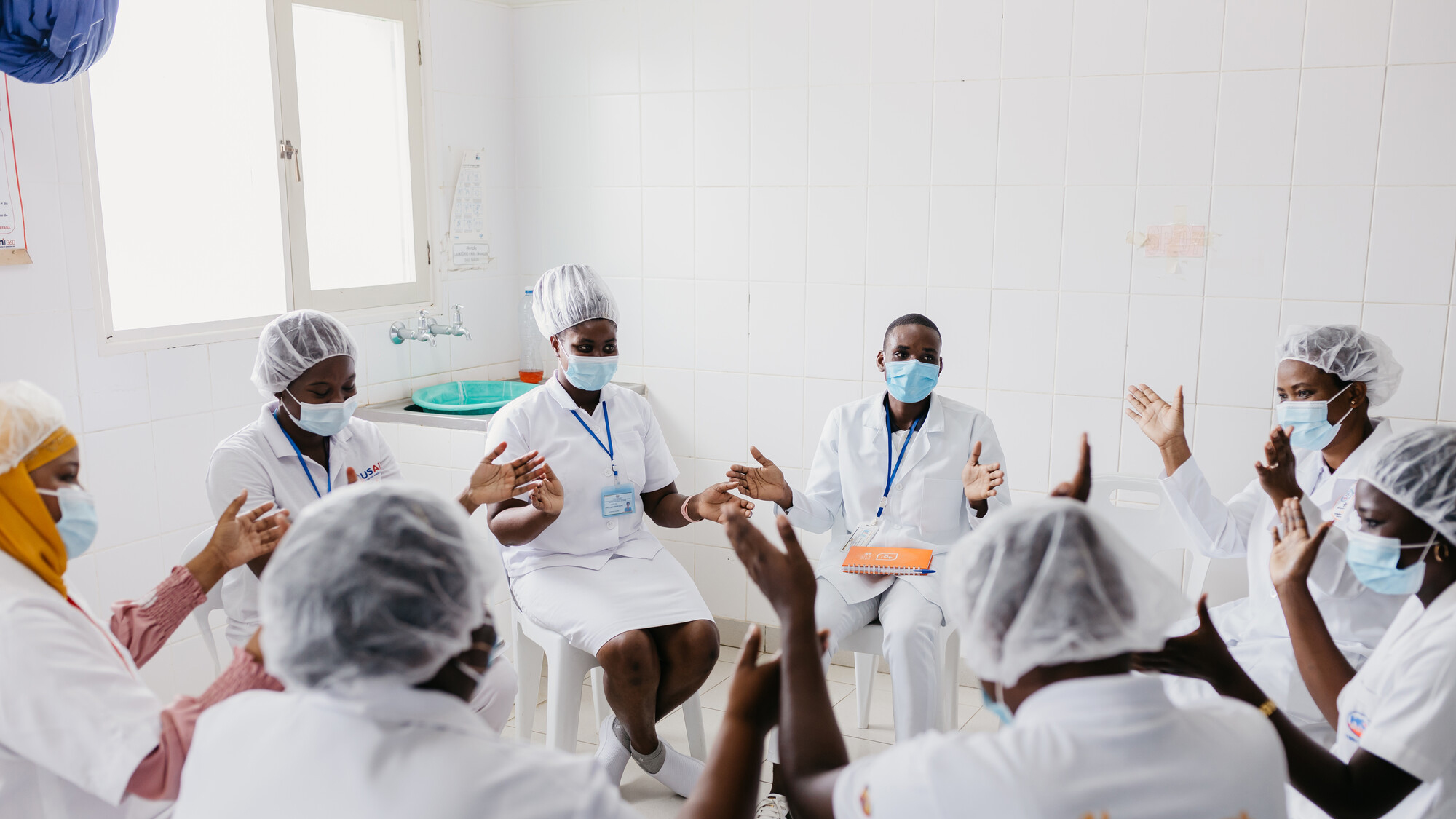
Although global efforts have averted an estimated 54 million tuberculosis (TB) deaths since 2000, TB remains the world’s deadliest infectious disease. In Mozambique, the burden of TB is high – there are an estimated 163,000 TB cases each year, less than half of which are found, diagnosed and treated. A majority of the country’s population…