


Article Type: Story
-
Helping displaced people by helping their community health providers
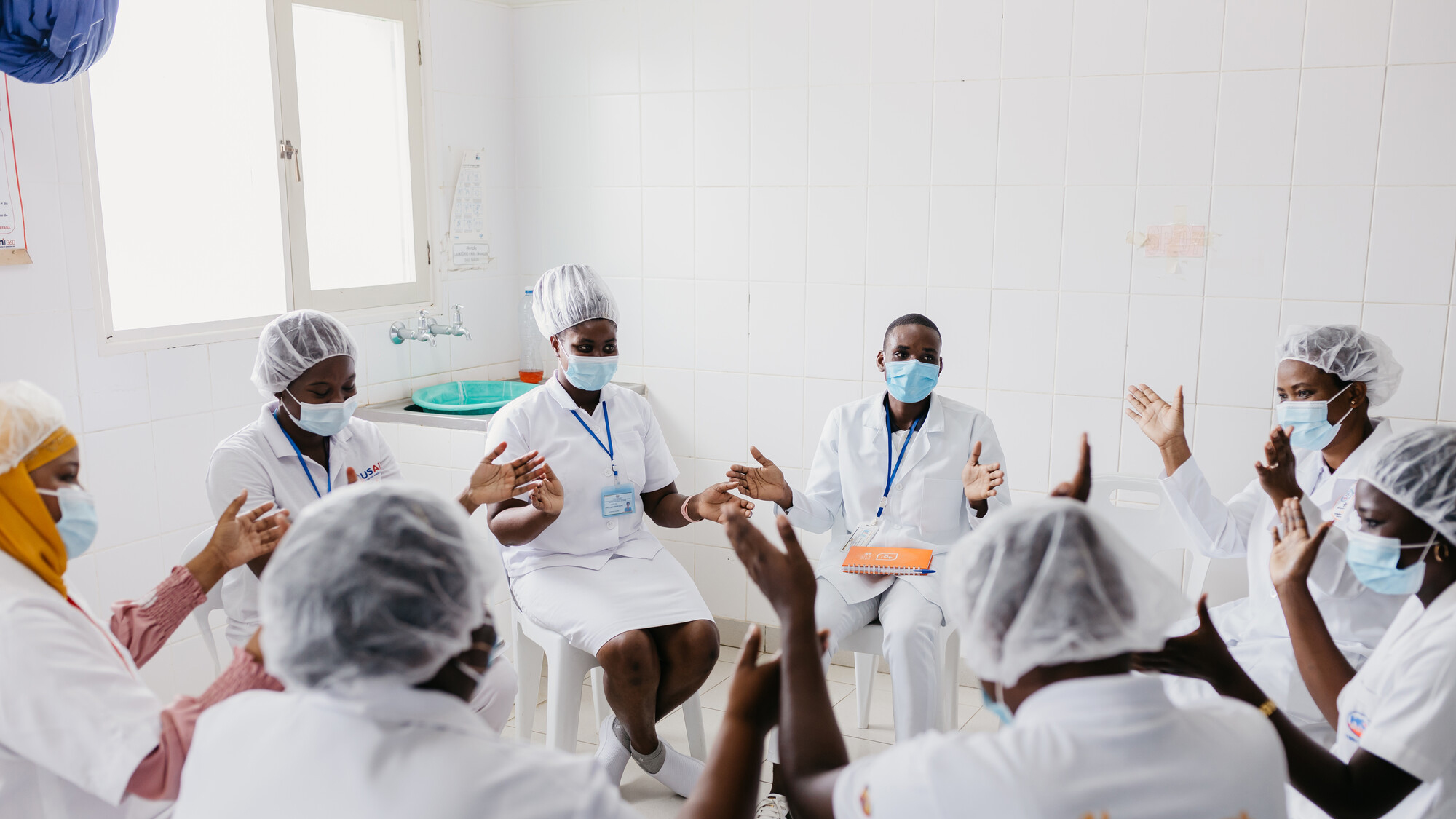
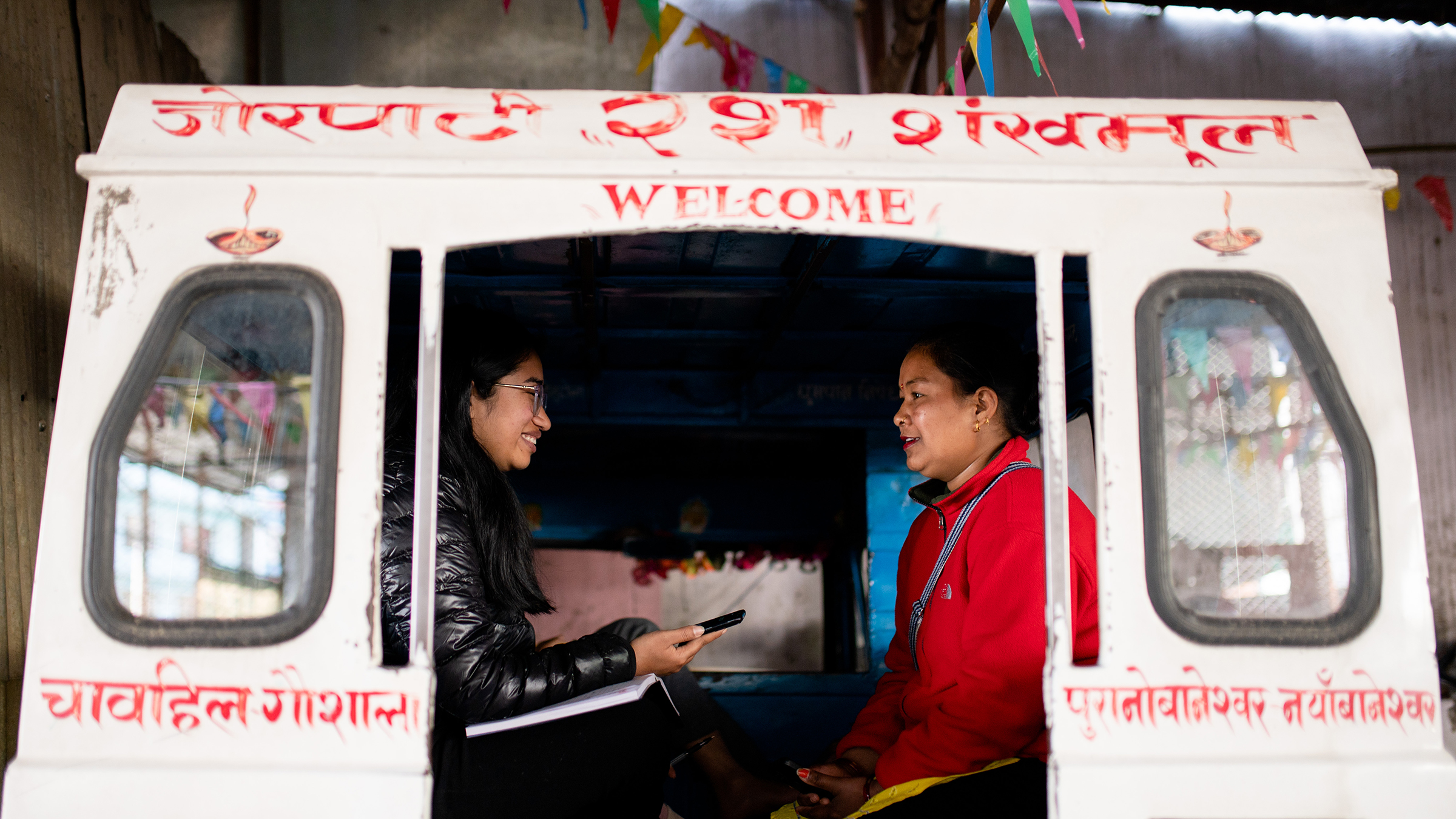
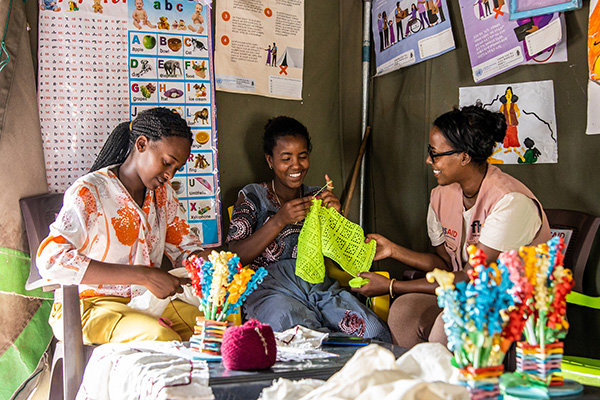
With continued fighting between the Ethiopian Defense Force and the Tigray People’s Liberation Front, the humanitarian situation in Ethiopia continues to deteriorate, with nearly 5.2 million people in need of some level of assistance. With the growing need, FHI 360 sent in its crisis response team to set up mobile medical units and provide safe drinking…
-
Making a lasting impact on early grade reading
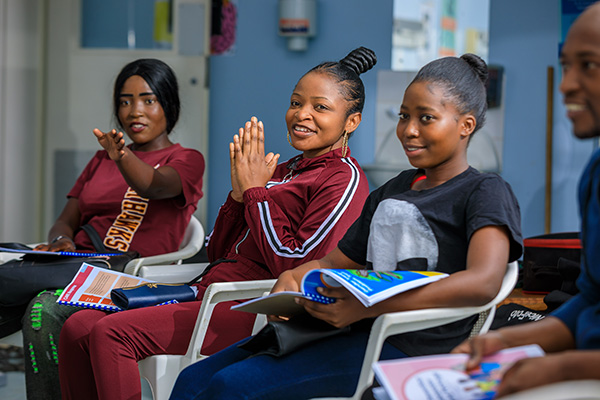
When FHI 360’s Reading and Numeracy Activity (RANA) began in 2015, it was a small, early grade reading pilot in 200 schools in Nigeria. When it closed in December 2020, it had directly reached 3,390 formal and nonformal schools and collaborated with government and development partners at another 29,170 schools. Both of RANA’s original pilot…
-
Vietnam project integrates cervical cancer screening into NCD activities
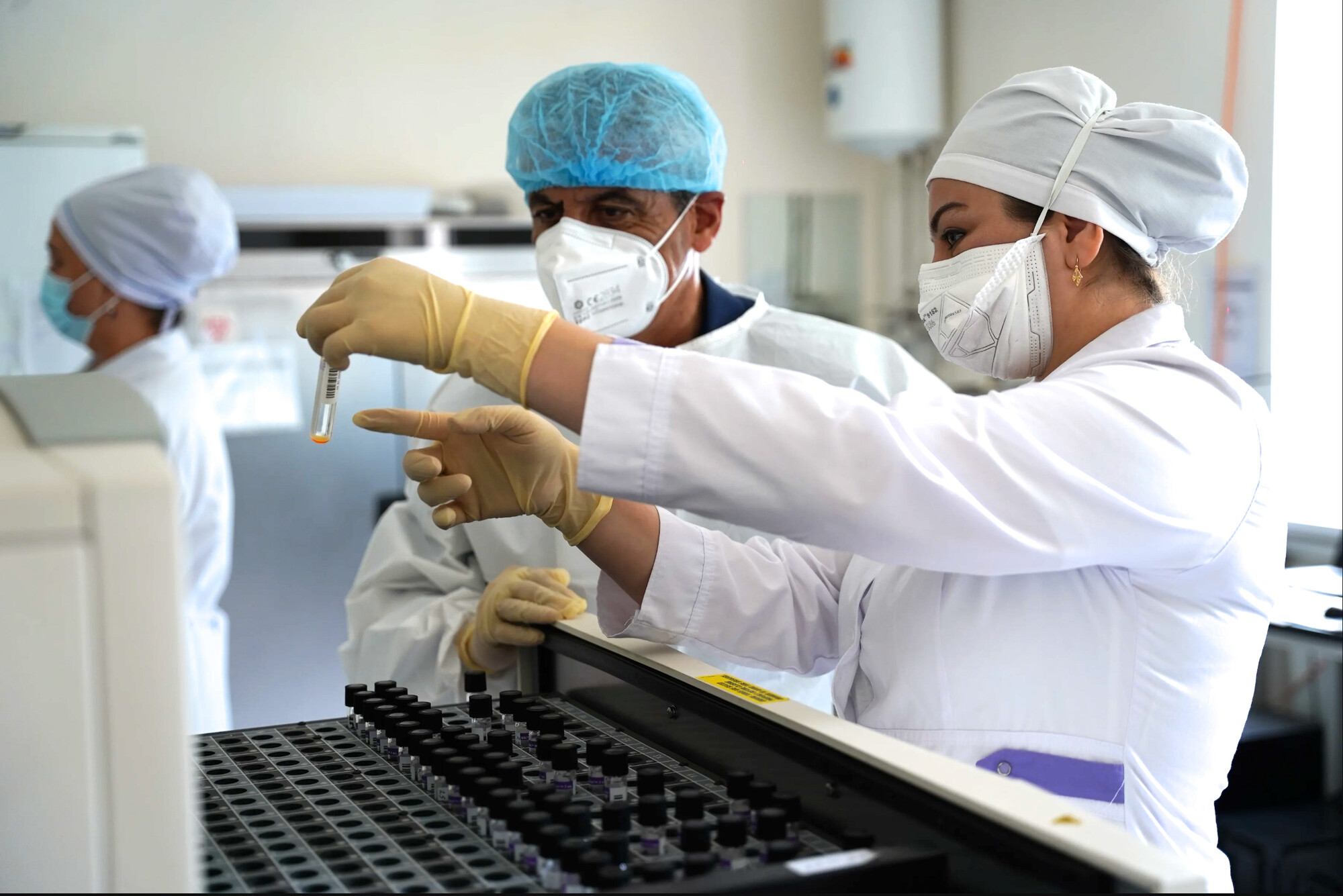
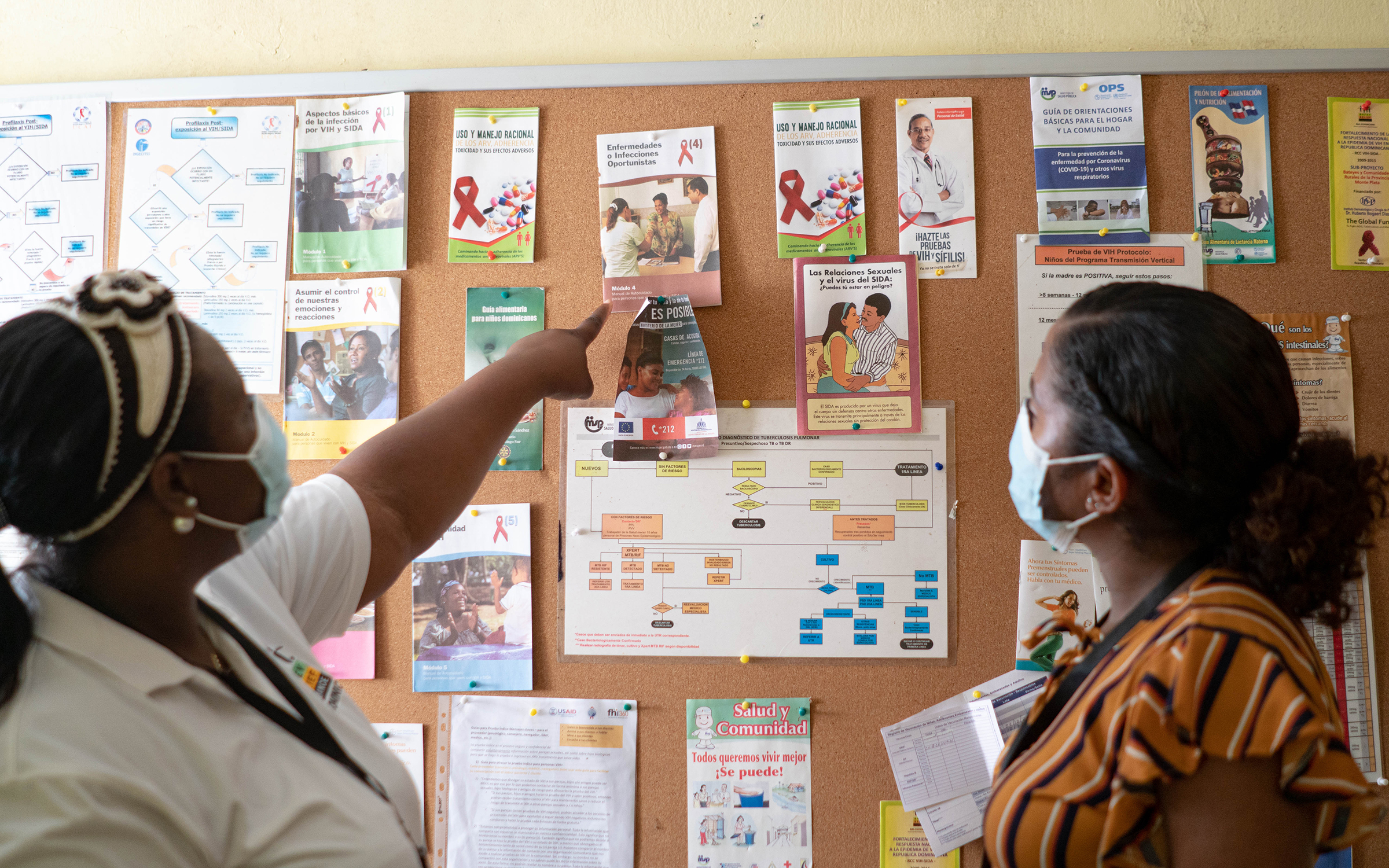
Noncommunicable diseases (NCDs), such as cancer, heart disease and diabetes, are the leading cause of death around the world, responsible for killing 41 million people each year. More than 75 percent of those deaths occur in low- and middle-income countries. To help minimize the impact of NCDs in Vietnam, the Abundant Health project, funded by…
-
Motorbike drivers raise community awareness to control NTDs in Senegal
Mass drug administration (MDA) campaigns help control and eliminate treatable, neglected tropical diseases (NTDs) by administering preventive medicines to large populations at risk. The World Health Organization recommends such campaigns in the fight against NTDs. In Senegal, the region of Louga has organized MDA campaigns since 2009. With support from The END Fund and implementation…
-
Meet the Money Monsters: Cute characters help children learn financial literacy skills
When many people think about financial education, they picture young adults learning to make sound decisions about their money. But, financial capability grows over time and should begin when children are quite young. Elementary school children can learn to have self-control and think before they act. They can understand how values, attitudes and beliefs about…
-
Resuming education in the face of COVID-19: The Advance program in Guatemala, Honduras and Jamaica
In 2015, the Advance program, funded by the U.S. Agency for International Development and implemented by FHI 360, embarked on transforming higher education and technical training institutions in Guatemala, Honduras and Jamaica into relevant, responsive service providers for youth. Five years later, the Advance program has produced results: Nine universities have new technical degree programs…