








Resource Type: Guide, manual or tool
-
Targeted Remedial Instruction
This fact sheet describes how FHI 360 incorporates continuous assessment and formative evaluation into our education programs and provides teachers with remediation guidance so that students who are struggling can receive the support they need to achieve learning outcomes in reading and math. The fact sheet includes examples of our work and specifically provides information…
-
FHI 360’s Minimum Standards for Safeguarding Program Participants
FHI 360’s framework for safeguarding program participants includes a set of minimum standards (required actions) that are organized under eight domains.1 The minimum standards apply to all FHI 360 projects that involve interaction with program participants, regardless of whether FHI 360 is the prime or a sub to another organization. The standards are designed to help…
-
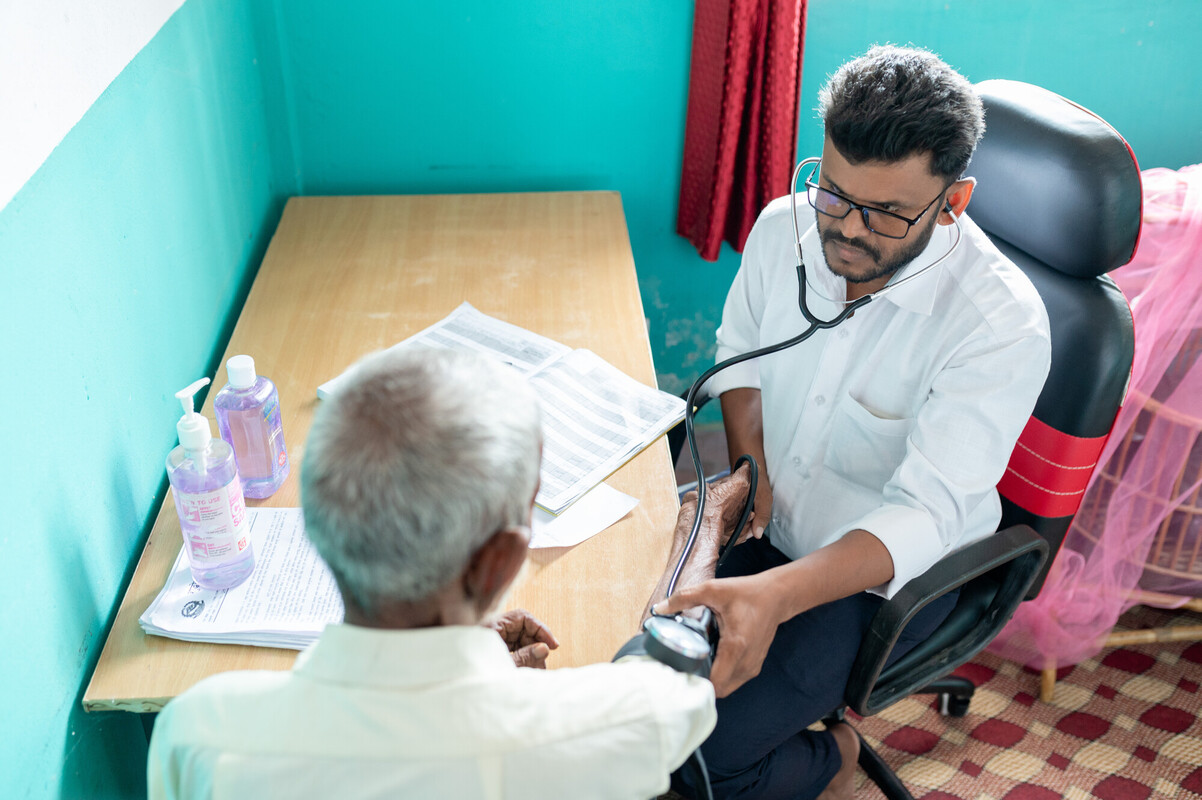
Package of Services and Interventions for Children and Adolescents Living with HIV: Guidance for Orphans and Vulnerable Children Programs
July 2023 — This document provides OVC (orphans and vulnerable children) programs with a package of services and interventions for children and adolescents living with HIV. The document also shares service delivery principles that OVC programs should follow while conducting their work. This information can help enhance the overall quality of care provided by OVC…
-
Resource package for children and adolescents living with HIV
January 2024 — The resources listed below aim to improve the quality of care and support for children and adolescents living with HIV (CALHIV) ages 0–20, particularly CALHIV in community-based programs for orphans and vulnerable children (OVC). It is expected that these resources will contribute to improving HIV treatment outcomes among CALHIV and ending pediatric…
-
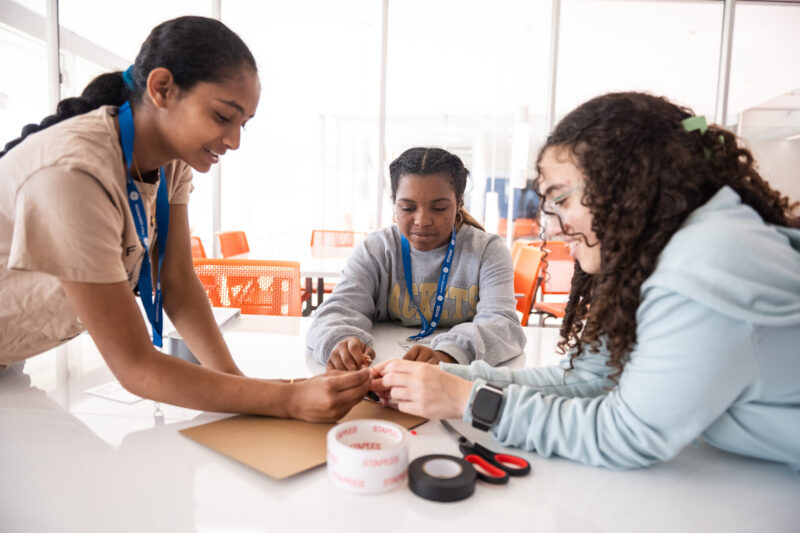
Instructional Quality for Summer Learning
November 2022 — This tool, from FHI 360’s District Summer Learning Network (DSLN), helps school districts plan engaging, empowering, relevant and rigorous summer programs so that all students have access to high-quality summer instruction. The tool addresses the summer learning environment, student engagement, instruction and curriculum, providing key practices and suggested steps for planning and…