






Resource Type: Fact sheet
-
Improving the Detection of HIV Cases: Creating a Partnership between Traditional Health Practitioners and the Public Health Care System in Ghana
2014 — This poster, by FHI 360’s Strengthening HIV/AIDS Response Partnership with Evidence-Based Results (SHARPER) project, describes the process of engaging traditional health practitioners as partners with the public health sector and creating a patient-referral network to improve the detection of HIV cases at spiritual camps in Ghana.
-
A Social Network Strategy to Increase HIV Counseling and Testing among Men Who Have Sex with Men
2014 — This technical brief, by the U.S. Agency for International Development (USAID) and FHI 360’s Strengthening HIV/AIDS Response Partnership with Evidence-Based Results (SHARPER) project, describes the implementation of an innovative pilot intervention that utilized a social network strategy in Ghana to reach men who have sex with men. The results highlight the importance of reaching…
-
Addressing Gender-based Violence against Vulnerable Populations and Persons Living with HIV in Ghana
2014 — This technical brief, by the U.S. Agency for International Development (USAID) and FHI 360’s Strengthening HIV/AIDS Response Partnership with Evidence-Based Results (SHARPER) project, highlights the SHARPER Gender Integration Framework, how it was applied, the lessons learned and the results of its application.
-
Legal and Protective Network to Address HIV-related Abuses against Vulnerable Populations and Persons Living with HIV in Ghana
2014 — This technical brief, by the U.S. Agency for International Development (USAID) and FHI 360’s Strengthening HIV/AIDS Response Partnership with Evidence-Based Results (SHARPER) project, describes the introduction of a community-based rapid-response system that provides members of those at an increased risk for HIV and people living with HIV access to appropriate health, legal and police…
-
Getting to Zero: Zero New HIV Infections, Zero Discrimination, Zero AIDS-Related Deaths (2014 World AIDS Day report)
December 2014 — On December 1, 2014, Nepal commemorated World AIDS Day. This report summarizes the programs and activities coordinated by the Saath-Saath project under the leadership of Nepal’s National Center for AIDS and STD Control.
-
Preventive Technologies Agreement (PTA) End-of-Project Report: Advancing the Science of HIV Prevention
August 2014 — In 2009, the U.S. Agency for International Development (USAID) awarded FHI 360 the five-year Preventive Technologies Agreement (PTA) to help develop selected HIV prevention technologies and strategies to advance the global HIV prevention and health agenda. FHI 360 and its partners generated knowledge about biomedical, behavioral and programmatic solutions to HIV and provided scientific support and technical…
-
Engaging the Kenyan Media to Inform the Public about Male Circumcision for HIV Prevention
July 2014 — The Male Circumcision Consortium’s media engagement strategy enabled the project team to build and maintain relationships with journalists, respond quickly to misinformation and encourage accurate, balanced reporting on voluntary medical male circumcision in Kenya. This report describes the strategy, its implementation and the results.
-
Communicating about Microbicides with Women in Mind (fact sheet)
2014 — The Communicating about Microbicides with Women in Mind project developed a two-page document highlighting the project’s major accomplishments, including details about the three project phases conducted in Kenya: 1) the landscape analysis, 2) the materials development and pretesting, and 3) the materials assessment and key results. This document also lists member organizations for the…
-
Integration of HIV and Noncommunicable Disease Care (fact sheet)
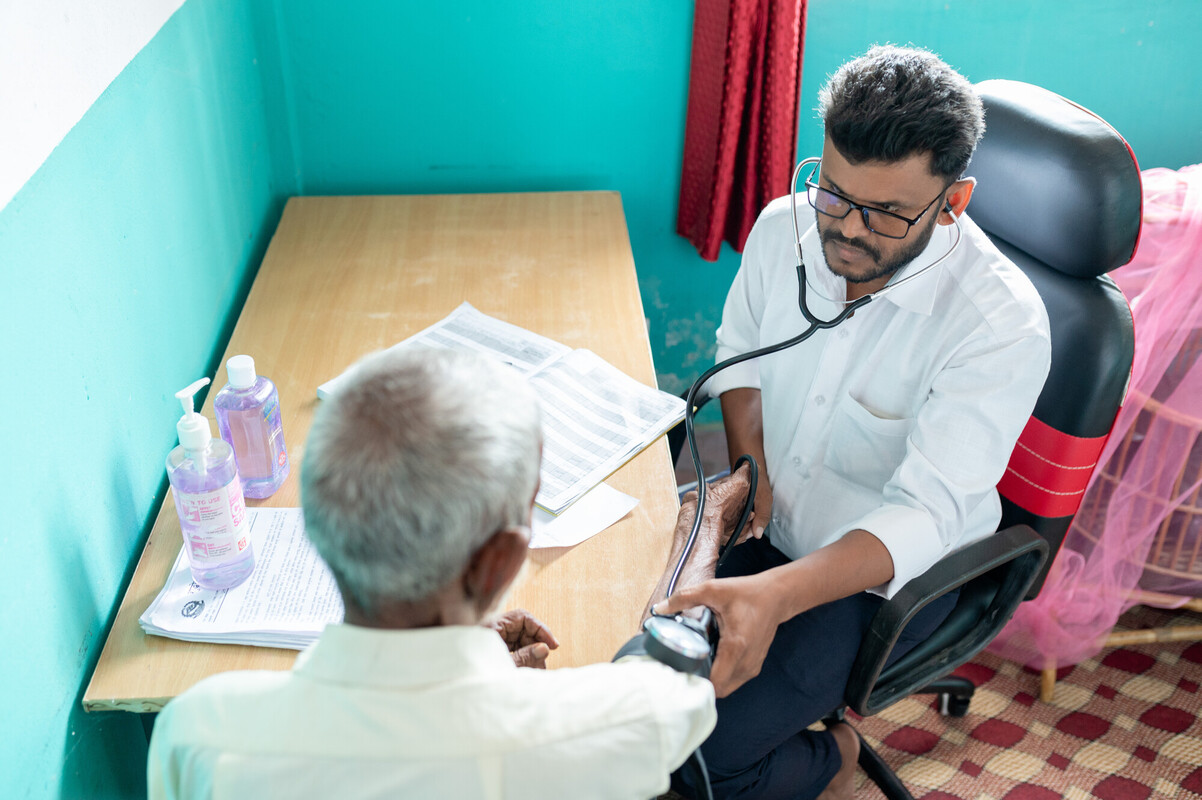
July 2014 — This fact sheet describes FHI 360 efforts in the integration of care for individuals with HIV and noncommunicable diseases (NCDs). FHI 360 has been at the forefront of the AIDS epidemic and also provides leadership to address the emerging global health issue of NCDs, which include cardiovascular disease, diabetes and mental health.