



Resource Type: Fact sheet
-
National Day honors Nepal’s Female Community Health Volunteers
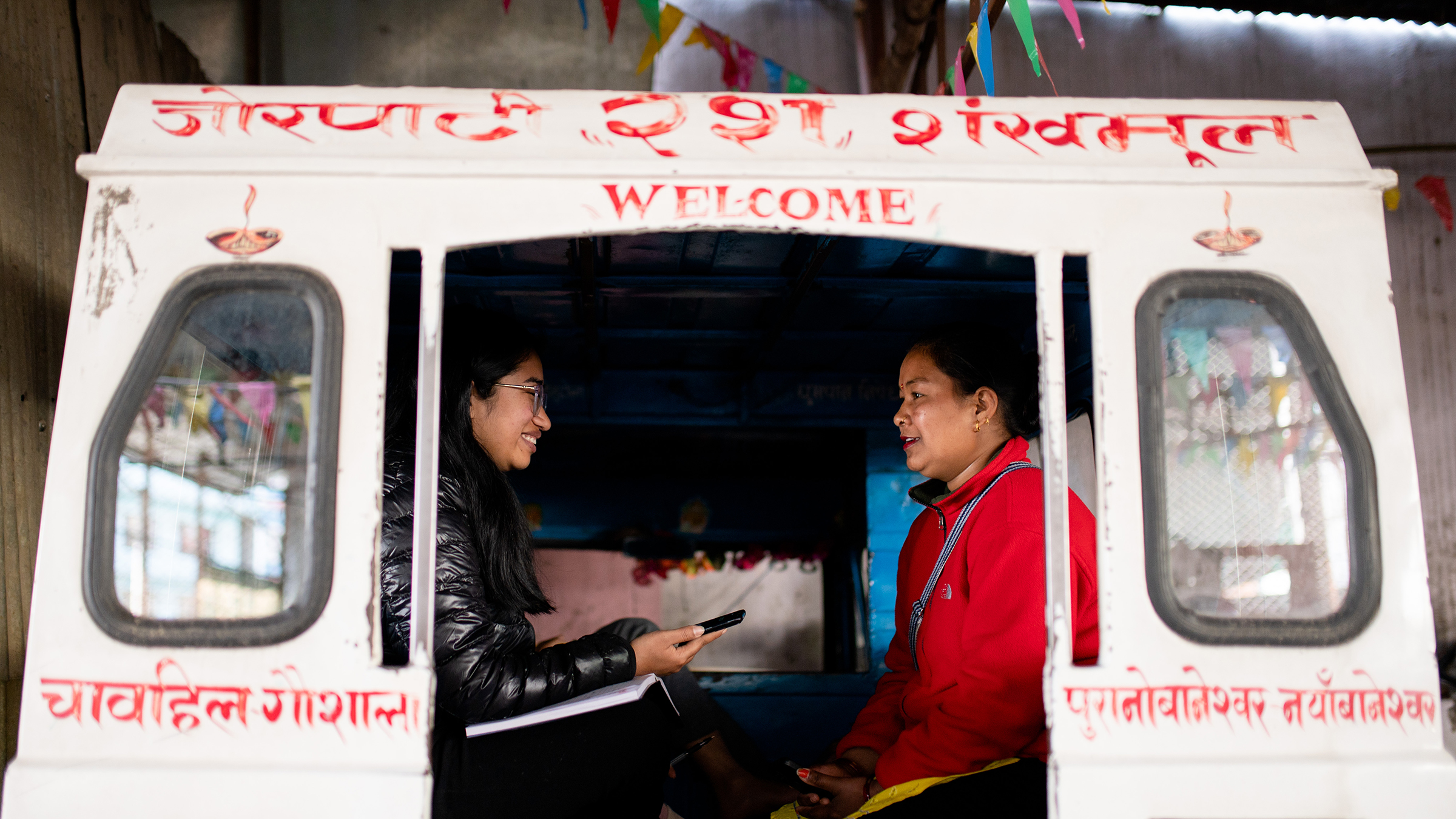
January 2014 — In Nepal, December 5th is National Female Community Health Volunteers (FCHVs) Day. Learn how the Saath-Saath project assisted in honoring the contributions made by FCHVs in improving the health of thousands of Nepali people.
-
Technical Support for HIV/AIDS Prevention, Care and Treatment Project: China End of Project Report
December 2012 — This report describes the activities, achievements and lessons learned from the Technical Support for HIV/AIDS Prevention, Care and Treatment Project in China. This five-year project was funded by the U.S. Agency for International Development and implemented in four countries: China, Lao People’s Democratic Republic, Papua New Guinea and Thailand.
-
Information sheet
Now called the Postsecondary Success Collaborative, the initiative is strengthening and building local partnerships to help communities identify and provide the tools that all students need to succeed in college. More schools and partners are getting involved and the work is poised to expand to additional communities.This information sheet shares key project indicators and objectives.
-
Postsecondary Success Collaborative Fast Facts
These fast facts discuss how the Postsecondary Success Collaborative is doing its part to make sure the nation reaches its economic and educational goals by helping more students from low-income communities, particularly first generation college students and students of color, enroll in and complete college.
-
Frequently Asked Questions About the Postsecondary Success Collaborative
This publication answers frequently asked questions about the Postsecondary Success Collaborative (PSC), formerly the Citi Postsecondary Success Program. PSC is a national initiative launched in 2008 by the Citi Foundation to build clear pathways to college success in Miami-Dade County, Philadelphia and San Francisco.
-
Improving Access to Family Planning through Research, Research Utilization and Capacity Building
FHI 360 and the U.S. Agency for International Development (USAID) invited key partners to attend a series of end-of-project meetings convened by the Program Research for Strengthening Services (PROGRESS) project, a five-year USAID cooperative agreement awarded to FHI 360 (2008–2013). This report summarizes the end-of-project meeting on PROGRESS-supported activities in Kenya.
-
Community-Based Access to Injectable Contraception: An Emerging Standard of Practice, 2008–2013
July 2013 — This two-page summary describes Program Research for Strengthening Sciences (PROGRESS) activities and impact related to community-based access to injectable contraceptives. PROGRESS is a five-year project awarded to FHI 360 by the U.S. Agency for International Development (USAID) in June 2008 to improve access to family planning among underserved populations.
-
DMPA Sales at Licensed Chemical Shops in Ghana: Increasing Access and Reported Use in Rural and Peri-Urban Communities
-
Surveying Success To Help The Children of Bangladesh
2013 — Soil-transmitted helminths (STH) is a serious concern for children in Bangladesh. This brief explains how the End Neglected Tropical Diseases in Asia (END in Asia) project helped the Government of Bangladesh complete a series of surveys to determine whether the national Filariasis Elimination and STH Control program, which includes deworming activities through schools, has…
-
Supporting The Power Of Partnerships In The Philippines
2013 – This brief details how the End Neglected Tropical Diseases in Asia (END in Asia) project is helping the Department of Health in the Philippines foster new public–private partnerships that will strengthen and expand health services to control and eliminate neglected tropical diseases in this country.