



Language: English
-
Partnering with Countries to Achieve Lymphatic Filariasis Elimination
February 2024 — This technical brief outlines approaches used by USAID’s Act to End NTDs |West program (Act | West) to support lymphatic filariasis (LF)-endemic countries to achieve LF elimination; highlights key challenges across LF programs; and describes how Act | West supports countries to address those challenges, share best practices and lessons learned, and…
-
ELEVATE Nutrition fact sheet
This fact sheet provides an overview of ELEVATE Nutrition.
-
FHI 360’s Minimum Standards for Safeguarding Program Participants
FHI 360’s framework for safeguarding program participants includes a set of minimum standards (required actions) that are organized under eight domains.1 The minimum standards apply to all FHI 360 projects that involve interaction with program participants, regardless of whether FHI 360 is the prime or a sub to another organization. The standards are designed to help…
-
FHI 360 Client Experience Training
October 2023 — The Client Experience (CE) approach is FHI 360’s integral component of the total quality leadership and accountability plus (TQLA+) strategy for improving health services for HIV prevention, care and treatment. This document provides program managers, technical staff and health facility staff with modules for understanding and applying the CE approach and the…
-
Request for Applications – CSS Hub / Requisión de Aplicaciones – CSS Hub
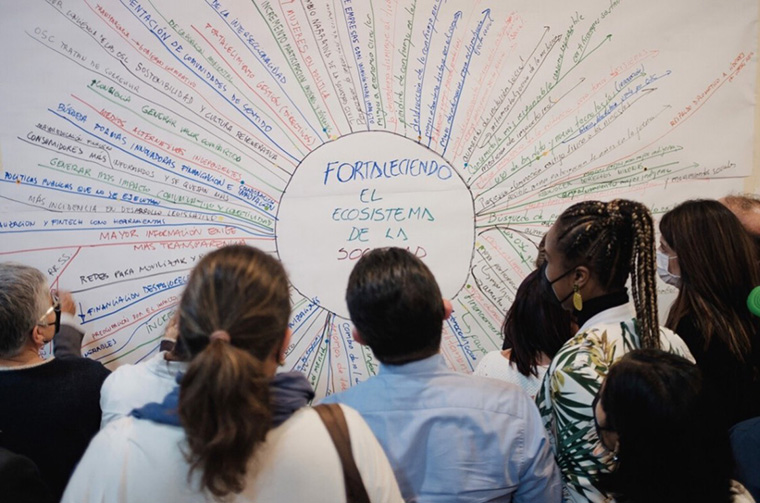
November 2023 — The Strengthening Together Activity (STA)/SUMA SOCIAL project is funded by the U.S. Agency for International Development (USAID) and implemented by FHI 360. Its purpose is to strengthen the organizational capacity of USAID/Colombia’s local partners and improve the broader ecosystems where they operate. Through this Request for Applications (RFA), STA/SUMA SOCIAL will award…
-
Resource package for children and adolescents living with HIV
January 2024 — The resources listed below aim to improve the quality of care and support for children and adolescents living with HIV (CALHIV) ages 0–20, particularly CALHIV in community-based programs for orphans and vulnerable children (OVC). It is expected that these resources will contribute to improving HIV treatment outcomes among CALHIV and ending pediatric…