


Article Type: Story
-
Giving back to STEM: A young woman uses her experience to encourage others
The demand for science, technology, engineering and math (STEM) professionals continues to rise. Between now and 2024, the number of STEM-related jobs could increase by 17 percent, compared with just 12 percent for non-STEM-related jobs. Despite the promising job outlook, however, women have been less likely than men to pursue careers in these fields. Many…
-
Career counselor plays critical role as Moroccan university students seek jobs
There is a saying in Morocco: When you don’t have something, you can’t give it. But, Asmae Mani has a different one: When you feel and experience something, then you can share it with someone who needs it. That philosophy guides her work as a career counselor at the University of Casablanca Career Center, one…
-
New opportunities for work, education help break cycles of recidivism
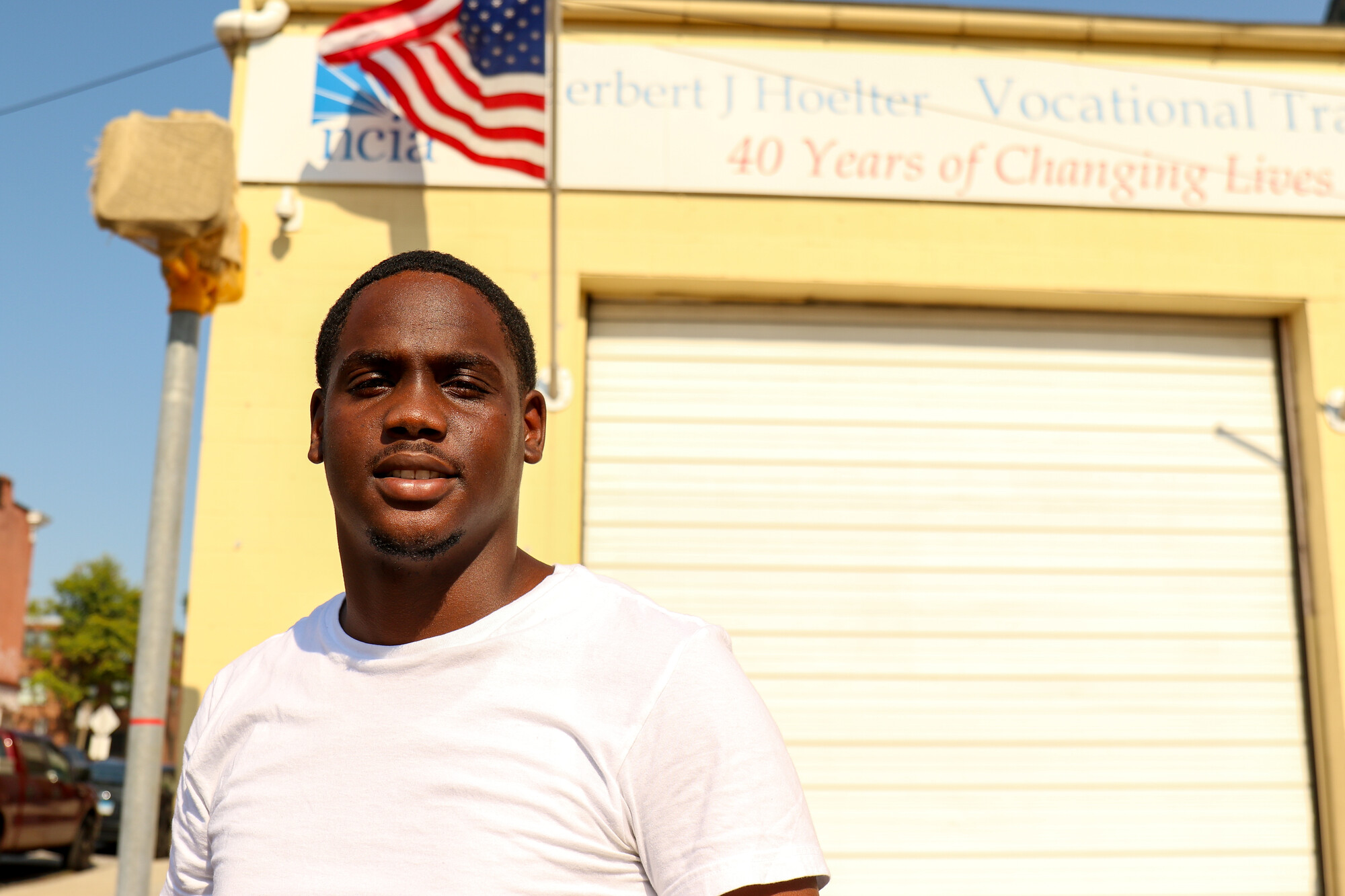
Reentering the community after incarceration can be a difficult process that is unsuccessful all too often for millions of women and men across the United States. Successful reentry depends on the services and support available to these individuals and a multifaceted approach for all areas of a person’s life. One of the groups most vulnerable…
-
Outreach clinics provide much-needed vaccines for children in remote Kenyan communities
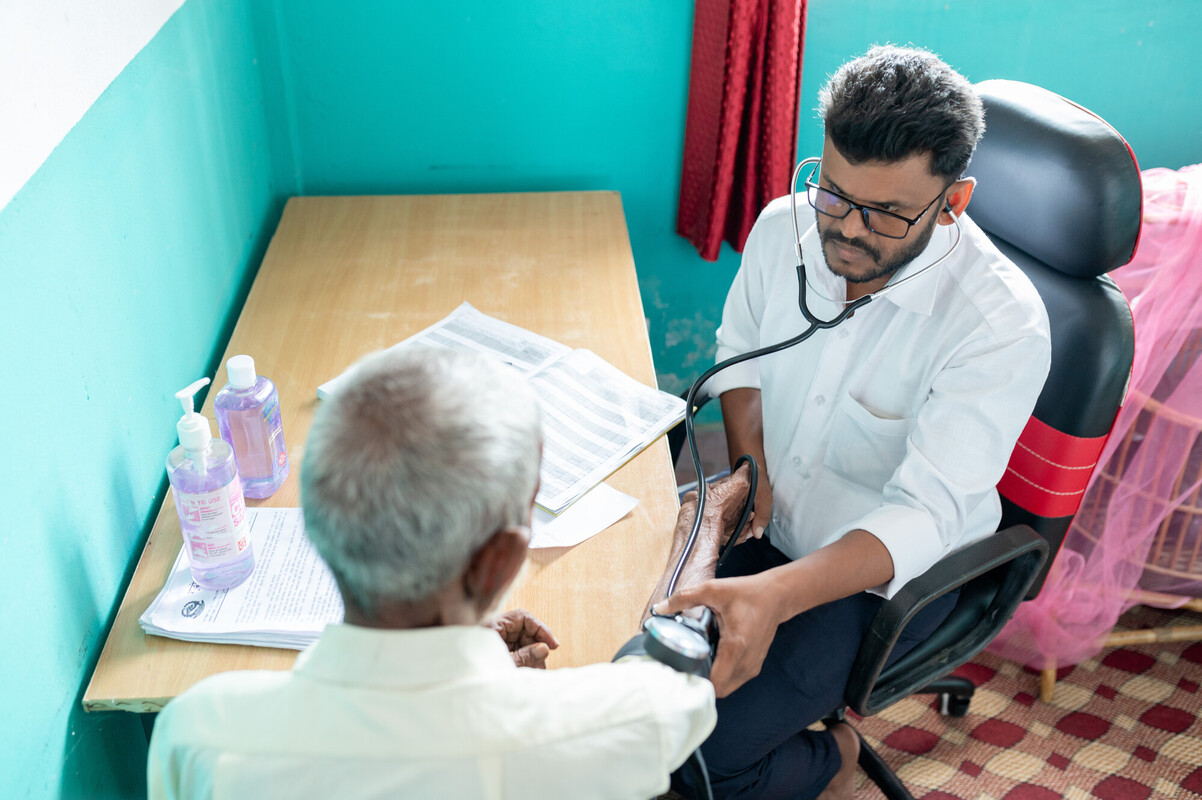
Immunization is a basic health service that is available for free in dispensaries, health centers and hospitals throughout Kenya. But, women and children who live far from health facilities often face significant challenges in getting this essential service. Felista Taila, a mother of four, lives in the village of Kabuswa, 40 kilometers from the Mogotio…
-
Three lessons learned from FHI 360’s Ebola response in the Democratic Republic of the Congo
On May 8, 2018, the Democratic Republic of the Congo (DRC)’s Ministry of Health declared an Ebola virus disease outbreak in Equateur Province in the country’s northwest region — the ninth outbreak in DRC over the last four decades. The international response to this Ebola outbreak was swift and effective, and as a result, the…
-
New FANTA resources to fight malnutrition
FHI 360’s Food and Nutrition Technical Assistance III (FANTA) project provides research and evidence to strengthen food security and nutrition policies, strategies, programs and systems in developing countries. The project has published two new resources for researchers, policymakers and practitioners who focus on fighting malnutrition. Learn more about other FANTA tools and publications for stakeholders…
-
Taking steps to prevent a diphtheria outbreak in Yemen
In Yemen, a brutal civil war has caused a devastating humanitarian crisis. The conflict, which began in 2015, is crushing the country’s health care system and opening the door to infectious disease outbreaks. Yemen is already experiencing the world’s largest cholera outbreak in recent history. Now, an anticipated diphtheria outbreak is posing an increasingly greater…
-
A teacher in Ghana receives new tools to boost early grade reading
Raphael Ayeriba is a primary school teacher and curriculum lead at Bambaya Presbyterian Primary School in the Yendi Municipal District in northern Ghana. For 11 years, he and other early grade teachers have had difficulty helping pupils learn to read. Teachers like Raphael have had inadequate reading materials and training in instructional approaches to facilitate…
-
Guide: Enhancing the performance of health care systems
Frontline health workers in low- and middle-income countries face significant challenges to providing high-quality services: inadequate staffing, wide gaps between evidence and practice, low demand for health services and too little use of data. To help workers address these problems, FHI 360 created the Quality Improvement Handbook, which offers step-by-step guidance on using evidence-based models…