


Resources
Search
Filters
-
Research paper or report
Informing Contextual Livelihood Programming: Situational Analysis
July 2014 — This technical note provides an overview of the situational analysis — the first step in the LIFT II project’s country- and community-specific program design process. From the national level to the community level, a situational analysis provides a critical understanding of interrelated factors, including contextual vulnerabilities, societal gender and cultural norms related to economic […]
-
Fact sheet
Galvanizing Service Providers to Create Effective Referral Networks: Stakeholder Meetings
March 2015 — This technical note provides an overview of stakeholder meetings — a critical step in the LIFT project’s process of supporting communities to establish clinic–community referral networks. Knowing what services exist in a community is not enough for a referral network to be effective. Stakeholder meetings provide a participatory platform for network members to discuss […]
-
Guide, manual or tool
Innovation: mHealth for Better Child Feeding
December 2014 — This brief describes ways that mobile devices and mHealth can improve nutrition programs by collecting and sending information while building trust with your audience. Strategic Design of Mass Media to Promote Breastfeeding in Viet Nam November 2014 — This tool outlines the six steps used to design Alive & Thrive’s “talking babies” mass media campaign in Vietnam, […]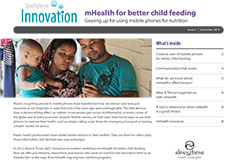
-
Guide, manual or tool
FHI 360’s Unified Approach to Expenditure Analysis for PEPFAR Awards
December 2014 — This brief describes a stream-lined approach to help country programs meet required expenditure analysis reporting for the President’s Emergency Plan for AIDS Relief (PEPFAR). In response to new requirements in 2011 by the U.S. Office of the Global AIDS Coordinator, which manages PEPFAR, FHI 360 developed guidance for programs and projects that need […]
-
Fact sheet
Cross-Border Health Integrated Partnership Project (fact sheet)
2014 — This factsheet details the goals, context, target populations, site locations and partner information for the Cross-Border Health Integrated Partnership Project (CB-HIPP). CB-HIPP, funded by the U.S. Agency for International Development and implemented by FHI 360, is designed to extend quality integrated health services in strategic border areas and other transport corridor sites in east, […]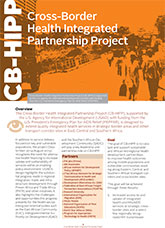
-
Other
FHI 360 Annual Report 2014
In this annual report, we provide a glimpse into a few of the ways we are catalyzing change in communities around the world — from strengthening health systems, to connecting people to jobs, to expanding education opportunities for girls.
-
Guide, manual or tool
Better Parenting Training (Job Aid)
July 2014 — This job aid, a companion to the facilitator’s training manual by the Yekokeb Berhan Programme for Highly Vulnerable Children in Ethiopia, is intended for volunteers, parents, caregivers and others who work closely with vulnerable children and their families. The program focuses on improving parenting knowledge, attitudes and skills. The job aid presents these topics […]
-
Guide, manual or tool
Better Parenting Training for Caregivers of Highly Vulnerable Children (Facilitator’s Manual)
July 2014 — This training manual, a companion to the job aid for parents and volunteers, was developed by the Yekokeb Berhan Programme for Highly Vulnerable Children in Ethiopia. The manual is intended to train staff and volunteers at local community service organizations on how to strengthen the parenting capacity of parents and caregivers in their […]
-
Guide, manual or tool
NAHR Monitoring and Evaluation Toolkit
February 2015 — The Network of Associations for Harm Reduction (NAHR) project has developed a comprehensive toolkit for the monitoring and evaluation of programs to ensure high quality of service delivery. The system consists of intake forms used to collect information on NAHR indicators (for a complete list of indicators, please see the NAHR fact sheet […]
-
Fact sheet
Network of Associations for Harm Reduction (NAHR) (fact sheet series)
February 2015 — This series of six fact sheets provides an overview of activities under FHI 360’s NAHR project in Egypt, including efforts related to stigma and discrimination, capacity building, comprehensive centers of care, sustainability, ethics, and monitoring and evaluation.
Join our team
FHI 360 is an inclusive and innovative community of experts in more than 60 countries around the world, united by a shared goal: to open opportunities for people everywhere so they can lead full and healthy lives. Join us today.
Become a partner
We are committed to building equitable, collaborative relationships with governments, local communities, academic institutions, foundations and others working to open pathways to lasting change.