



Resources
Search
Filters
-
EpiC resources; Guide, manual or tool; Structural interventions for HIV
Mental Health and Psychosocial Support Programming
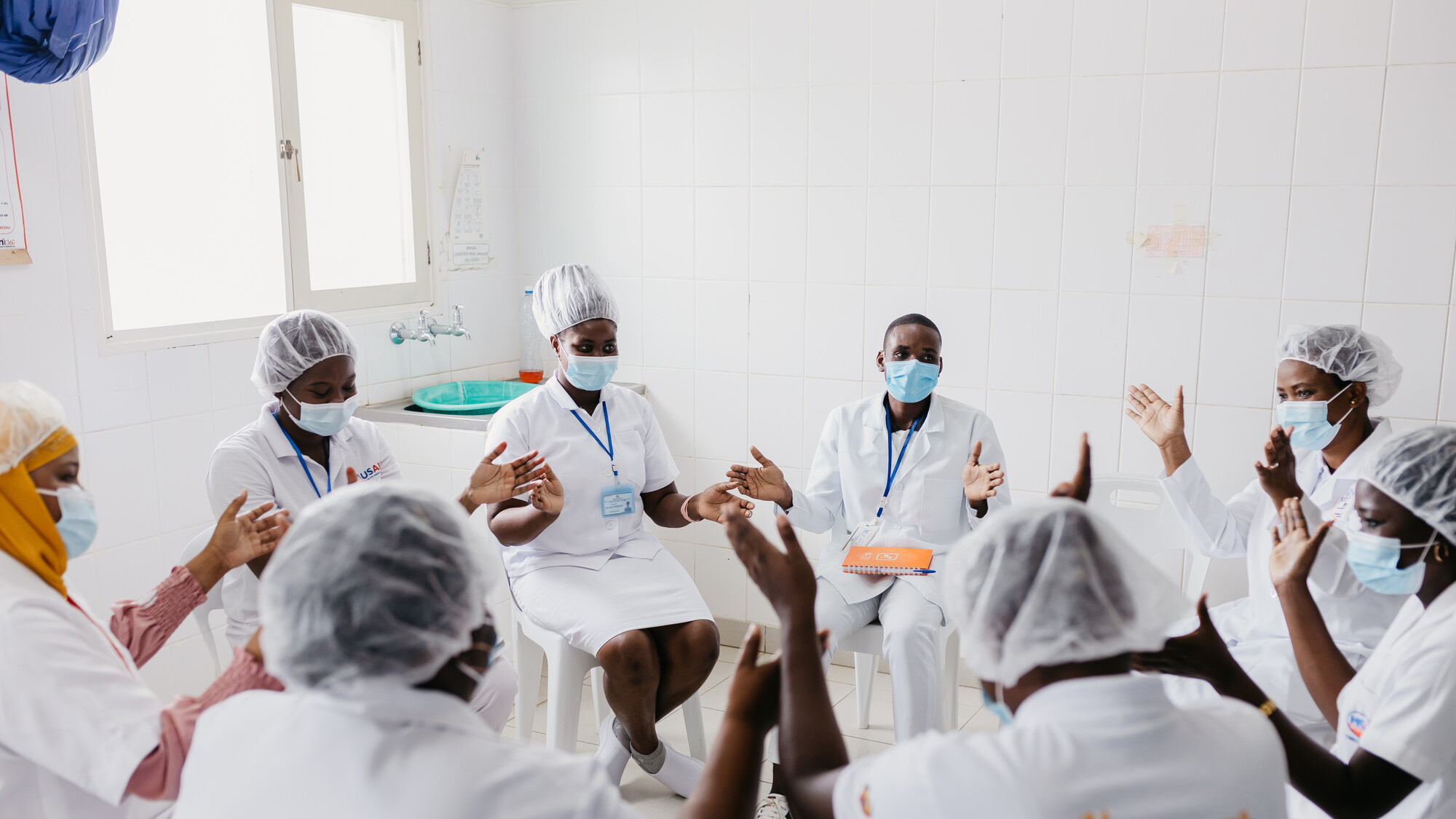
The COVID-19 pandemic has deeply affected mental health, as well as health systems, creating a sense of urgency to ensure that people can access mental health and psychosocial support services (MHPSS). To support countries around the world in delivering MHPSS, FHI 360’s Meeting Targets and Maintaining Epidemic Control (EpiC) project created the 8Cs Model technical […]
-
Fact sheet
Bridge to Employment Overview
July 2023 — This fact sheet profiles the Bridge to Employment (BTE) project. It describes the program model, goals and impact of BTE as of July 2023. It Just Felt Really Important: An Oral History of Bridge to Employment October 2022 — To mark the 30th anniversary of the Bridge to Employment (BTE) program, extensive qualitative […]
-
Fact sheet
Injectable PrEP: A Factsheet for MSM Advocates and Community Members in the Asia-Pacific Region
July 2023 — This fact sheet provides basic information to raise awareness of injectable cabotegravir (CAB) for pre-exposure prophylaxis (PrEP) among gay, bisexual and other men who have sex with men (MSM). It also describes actions MSM can take to advocate for the approval and availability of CAB for PrEP in their country in the […] -
Guide, manual or tool
Instructional Quality for Summer Learning
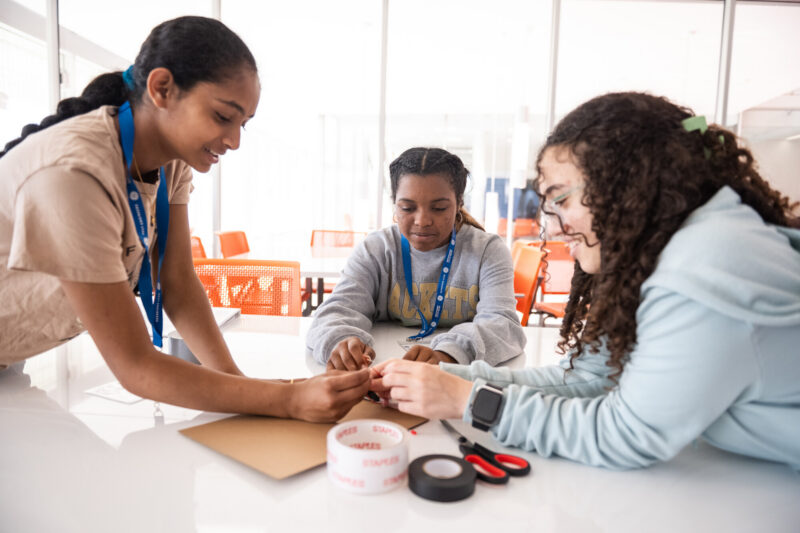
November 2022 — This tool, from FHI 360’s District Summer Learning Network (DSLN), helps school districts plan engaging, empowering, relevant and rigorous summer programs so that all students have access to high-quality summer instruction. The tool addresses the summer learning environment, student engagement, instruction and curriculum, providing key practices and suggested steps for planning and […]
-
Guide, manual or tool
Summer Learning Communications Plan
December 2022 — This tool, from FHI 360’s District Summer Learning Network (DSLN), helps school district leaders strategically plan summer learning communications so they reach the right audiences, including students, families, teachers and school staff, at the right time with messages that move them to action.
-
Guide, manual or tool
Partnerships for Summer Learning
October 2022 — This tool, from FHI 360’s District Summer Learning Network (DSLN), is designed to support school districts and community organizations in designing a model for collaboration that helps create transformative summer learning opportunities and experiences for the young people in a community. The tool offers a set of concepts and questions that districts […]
-
Research paper or report
Institute for Work and Learning 2022 Annual Report
May 2023 — This report describes the work of our Institute for Work and Learning (IWL) during the 2022 calendar year, illustrating the impact NIWL has had in the areas of research and evaluation, justice and workforce programs, and college and career readiness. The report highlights NIWL’s projects and activities, impact stats, team members, strategic […]
-
Research paper or report
Uganda Maternal and Child Health and Nutrition Activity Resources
March 2023 — The Maternal and Child Health and Nutrition (MCHN) Activity is a five-year project, funded by the U.S. Agency for International Development, that seeks to improve maternal, newborn and child health (MNCH) and nutrition outcomes in Uganda. The project also supports improved delivery of MNCH and nutrition services for the urban poor in […]
-
Fact sheet
Peacebuilding and Preventing Violent Extremism
April 2023 — This fact sheet provides an overview of FHI 360’s approach to using locally owned and sustainable tools to promote peace and prevent violent extremism. These local solutions leverage the inherent resiliency of communities and people and strengthen communities’ capacities for peace. Several examples of our work are provided.
-
Fact sheet
FHI 360’s Adaptive Peacebuilding Approach
May 2023 — This fact sheet outlines FHI 360’s approach and commitment to adaptive peacebuilding. This approach starts with understanding the complex and dynamic nature of the problem — and continuously updating that understanding. It has at its core the principles of local ownership, including investing in local capacities and the resilience of institutions to […]
Join our team
FHI 360 is an inclusive and innovative community of experts in more than 60 countries around the world, united by a shared goal: to open opportunities for people everywhere so they can lead full and healthy lives. Join us today.
Become a partner
We are committed to building equitable, collaborative relationships with governments, local communities, academic institutions, foundations and others working to open pathways to lasting change.