Resource Type: Guide, manual or tool
-
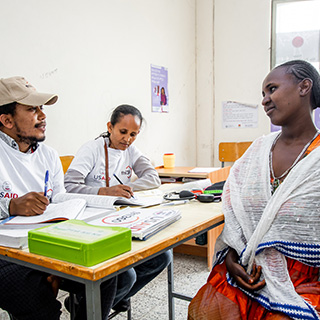
Resource package for children and adolescents living with HIV
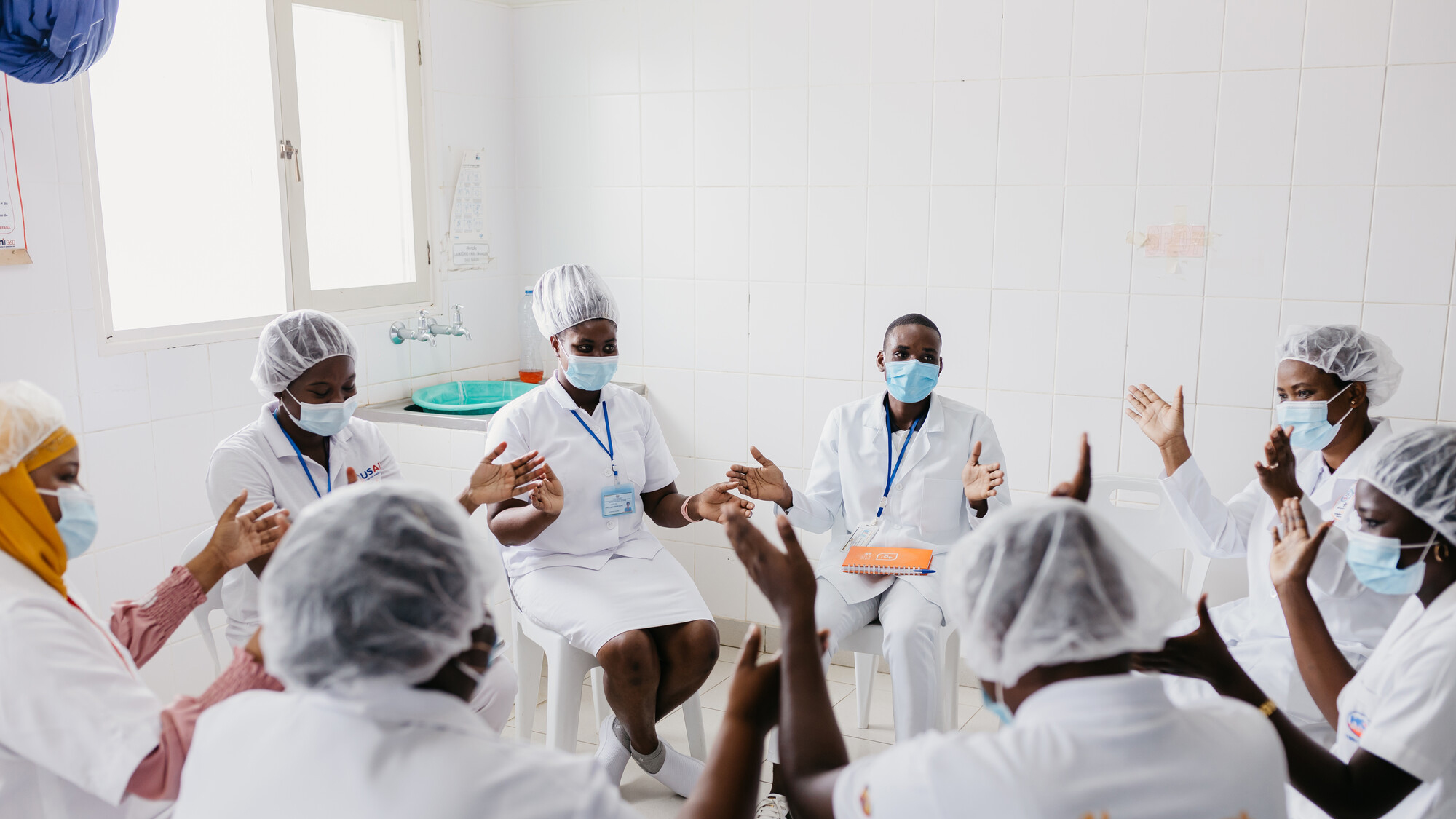
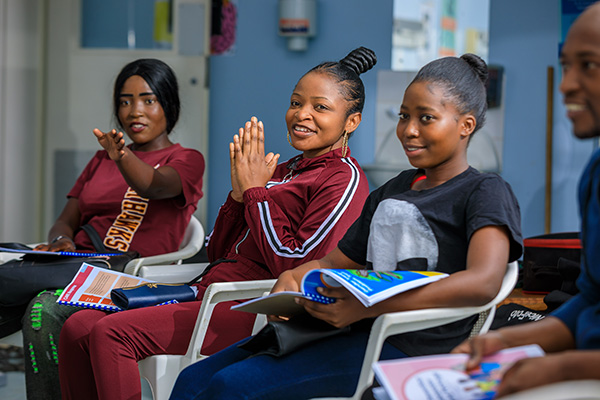
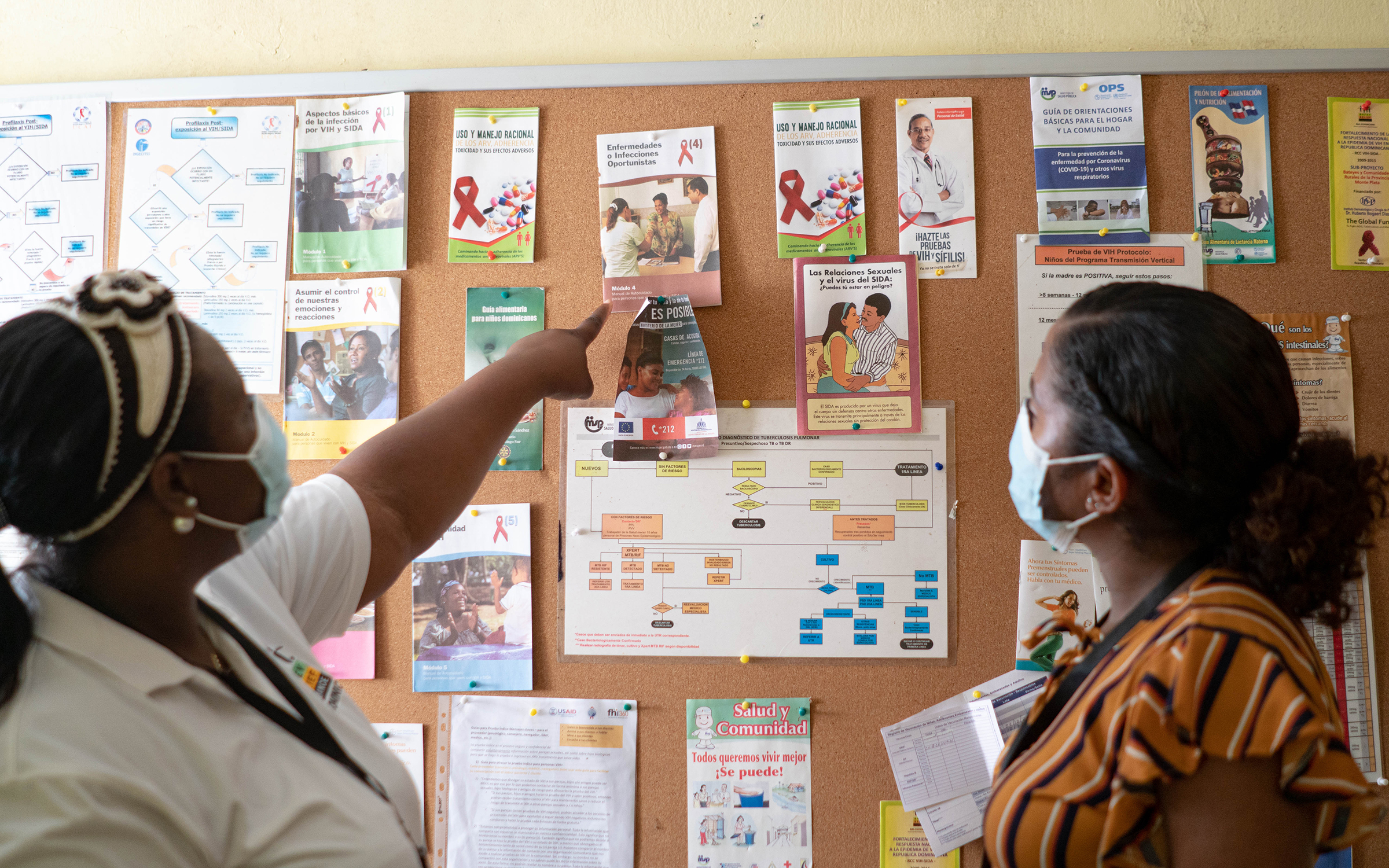
January 2024 — The resources listed below aim to improve the quality of care and support for children and adolescents living with HIV (CALHIV) ages 0–20, particularly CALHIV in community-based programs for orphans and vulnerable children (OVC). It is expected that these resources will contribute to improving HIV treatment outcomes among CALHIV and ending pediatric…
-
Instructional Quality for Summer Learning
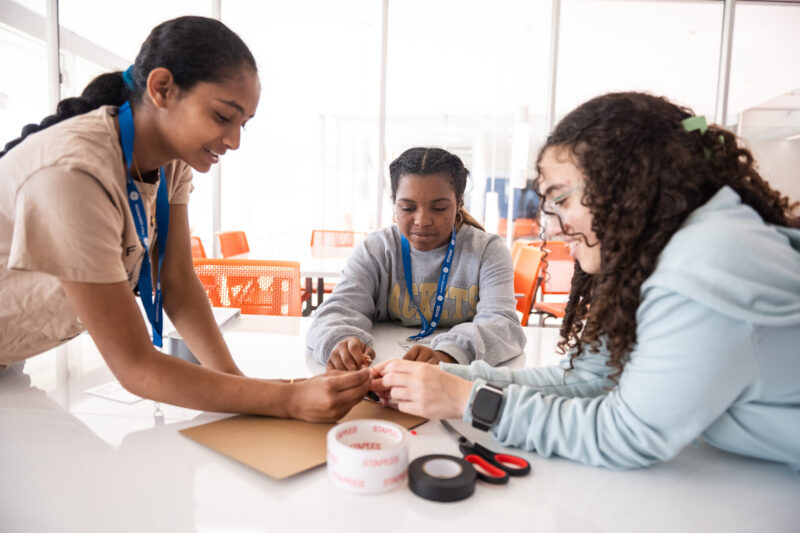
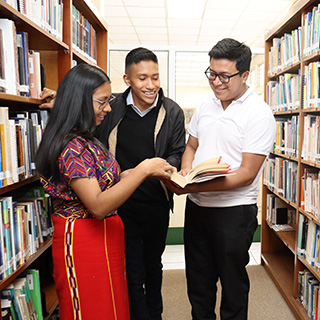
November 2022 — This tool, from FHI 360’s District Summer Learning Network (DSLN), helps school districts plan engaging, empowering, relevant and rigorous summer programs so that all students have access to high-quality summer instruction. The tool addresses the summer learning environment, student engagement, instruction and curriculum, providing key practices and suggested steps for planning and…
-
Summer Learning Communications Plan
December 2022 — This tool, from FHI 360’s District Summer Learning Network (DSLN), helps school district leaders strategically plan summer learning communications so they reach the right audiences, including students, families, teachers and school staff, at the right time with messages that move them to action.
-
Partnerships for Summer Learning
October 2022 — This tool, from FHI 360’s District Summer Learning Network (DSLN), is designed to support school districts and community organizations in designing a model for collaboration that helps create transformative summer learning opportunities and experiences for the young people in a community. The tool offers a set of concepts and questions that districts…
-
Addressing Burnout: Resource Toolkit
December 2022 — This toolkit is a product of an FHI 360 staff learning exchange on addressing burnout, which ran from April to November 2022. It is a collection of links to and excerpts from articles, books, podcasts and other resources that may be helpful as staff members, within and outside of FHI 360, seek…
-
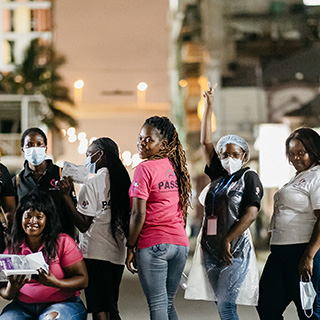
Ensuring COVID-19 Vaccination for People Living with HIV and Vulnerable Populations Technical Guide
February 2022 — As COVID-19 vaccine availability improves in low- and middle-income countries (LMICs), defining and implementing strategies to reach the most those at an increased risk for HIV, including people living with HIV (PLHIV) and those at an increased risk for HIV (KPs), needs to be a priority. Ensuring COVID-19 Vaccination for People Living…