




Skip to content
FHI 360
  • Languages
  • Low bandwidth
  • High bandwidth
  • Search
  • Who we are
        • Who we are
          • About us
          • Leadership
          • Ethics and safeguarding
          • Impact and financial reports
          • Contact us
        • About us

          Impact and financial reports

  • What we do
        • What we do
          • Economic opportunity
          • Health


        • How we do it
          • Research in action
          • Humanitarian response
          • Digital innovation and AI
        • Explore our expertise
        • Economic opportunity

          Health

  • Where we work
        • Where we work
          • Asia Pacific
          • Central Africa
          • East Africa
          • West Africa
          • Southern Africa
          • Middle East and North Africa
          • Europe and Central Asia
          • Latin America and the Caribbean
          • United States
        • Around the world

          In the United States

  • Work with us
        • Work with us
          • Join our team
          • Local partners
          • Government and multilateral funders
          • Foundations and corporations
          • Academic and research partners
          • Small businesses and vendors
          • CEO position specification
        • Join our team

          Local partners

          Government and multilateral funders

          Foundations and corporations

          Academic and research partners

          Small businesses and vendors

  • News
        • News
          • Newsroom
        • Get the latest news
        • Newsroom

  • Stories
        • Stories & blog
          • Stories
          • Videos (YouTube)
          • Blog
        • Explore our storytelling
        • Our storytelling

          Blog

  • Resources
        • Resources
          • Resource library
        • Resource library

Home | Projects | Knowledge for Health II (K4Health II)
Project

Knowledge for Health II (K4Health II)

Countries

Bangladesh, Botswana, Ethiopia, Indonesia, Kenya, Malawi, Namibia, Nigeria, Peru, Senegal, South Africa, Eswatini, Zambia, Zimbabwe

Duration

2013 - 2018

Funder

USAID

The Knowledge for Health II (K4Health II) project is FHI 360’s contribution to the Knowledge for Health (K4Health) knowledge management project led by the Johns Hopkins University Center for Communication Programs. Other partners are IntraHealth and Management Sciences for Health. The K4Health mission is to improve family planning and reproductive health services in low- and middle-income countries by changing how family planning knowledge is accessed, shared and used.

Knowledge resources

FHI 360 contributes to the development and curation of the latest evidence-based information on family planning and reproductive health topics, including community-based family planning, contraceptive technology, family planning and HIV integration, microbicides and research utilization. As a partner in K4Health, FHI 360 contributes to global health e-learning courses and online toolkits. FHI 360 also develops resource pages, blog posts and other content for the project’s rotating thematic focus areas.

Collaboration

FHI 360 works with strategic family planning, reproductive health and knowledge management groups on technical resources that will strengthen service delivery in the field. One significant activity is our leadership in costed implementation plans (CIP), which includes publishing global tools, guidance and case studies for the FP2020 CIP Resource Kit. Another activity is the development of high-impact practice (HIP) briefs for the U.S. Agency for International Development (USAID). And, FHI 360 collaborates on the Family Planning Voices initiative, capturing and sharing stories from people around the world who are passionate about the topic.

Digital health

FHI 360 participates in K4Health’s synthesis of evidence in the rapidly evolving field of digital health. We develop global guidance documents, such as the mHealth Planning Guide and mHealth Basics, and support country-level knowledge management efforts. As one of the founding members of the Global Digital Health Network, FHI 360 provides thought leadership and stakeholder coordination.

Share project
Back to top

On this page

Related countries

  • Country

    Bangladesh

  • Country

    Botswana

  • Country

    Ethiopia

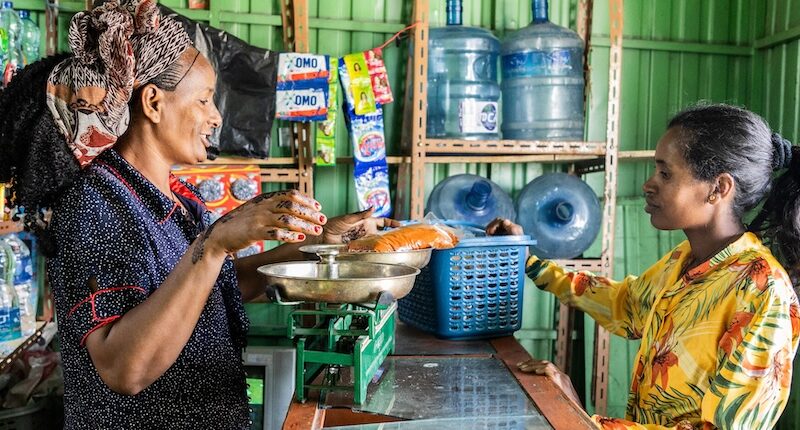
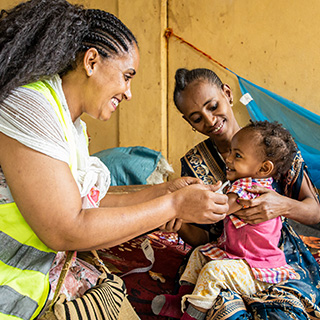
    Birhan (right) delivers spices to her neighbor, Tsega Zenebe, in Ethiopia’s Tigray region.
  • Country

    Indonesia

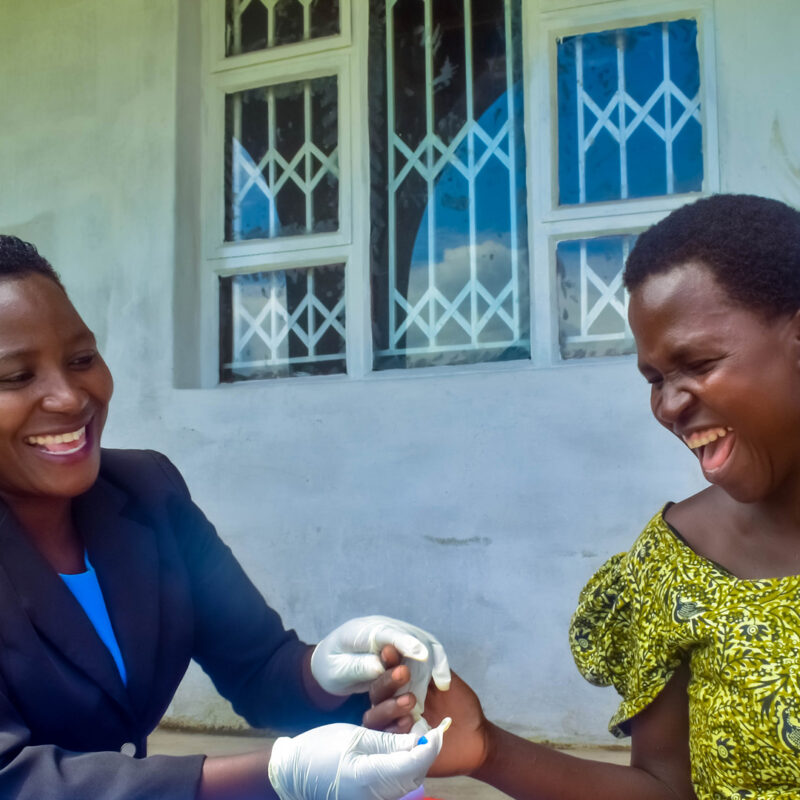
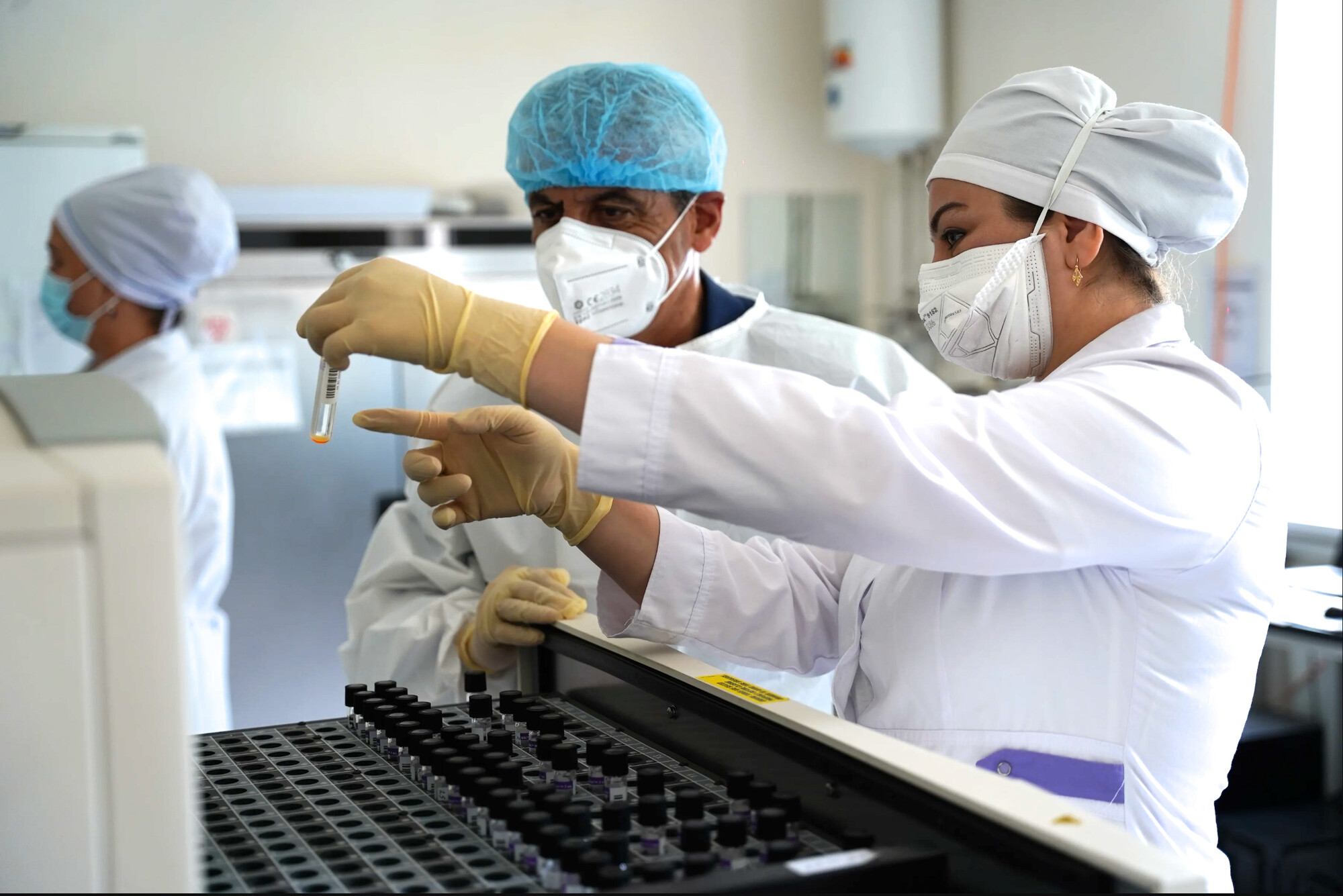
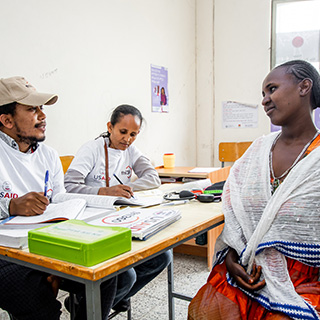
    Two people talk at the front desk of a lab
  • Country

    Kenya

  • Country

    Malawi

  • Country

    Namibia

  • Country

    Nigeria

  • Country

    Peru

  • Country

    Senegal

  • Country

    South Africa

  • Country

    Eswatini

  • Country

    Zambia

  • Country

    Zimbabwe

FHI 360

We are a nonprofit organization that mobilizes research, resources and relationships so that people everywhere can access the opportunities they need to lead full, healthy lives.

  • Partner with us
  • Business opportunities
  • Contract mechanisms
  • Small business
  • Our FHI 360 network
  • Events
  • Employee access
  • Contact us
  • Press
  • Privacy notice
  • Ethics and safeguarding

FHI 360 Headquarters
359 Blackwell Street, Suite 200
Durham, NC 27701 USA
1.919.544.7040

Washington, D.C., Office
2101 L St NW, Suite 700
Washington, DC 20037 USA
1.202.884.8000

Anti-trafficking statement

Connect

Sign up for our mailing list and receive the latest updates from FHI 360 straight to your inbox!

  • LinkedIn
  • Facebook
  • X
  • Youtube
  • Instagram

FHI 360 is the registered trade name of Family Health International.

©2026 FHI 360

We are using cookies to give you the best experience on our website.

You can find out more about which cookies we are using or switch them off in .

FHI 360
Powered by  GDPR Cookie Compliance
Privacy overview

This website uses cookies so that we can provide you with the best user experience possible. Cookie information is stored in your browser and performs functions such as recognising you when you return to our website and helping our team to understand which sections of the website you find most interesting and useful.

Essential cookies

Essential cookies should be enabled at all times so that we can save your preferences for cookie settings. However, they can be enabled or disabled using the button below.

Non-essential cookies

This website uses Google Analytics to collect anonymous information such as the number of visitors to the site, and the most popular pages.

Keeping this cookie enabled helps us to improve our website.