




Language: English
-
National Laboratory Capacity Building Program: Vietnam
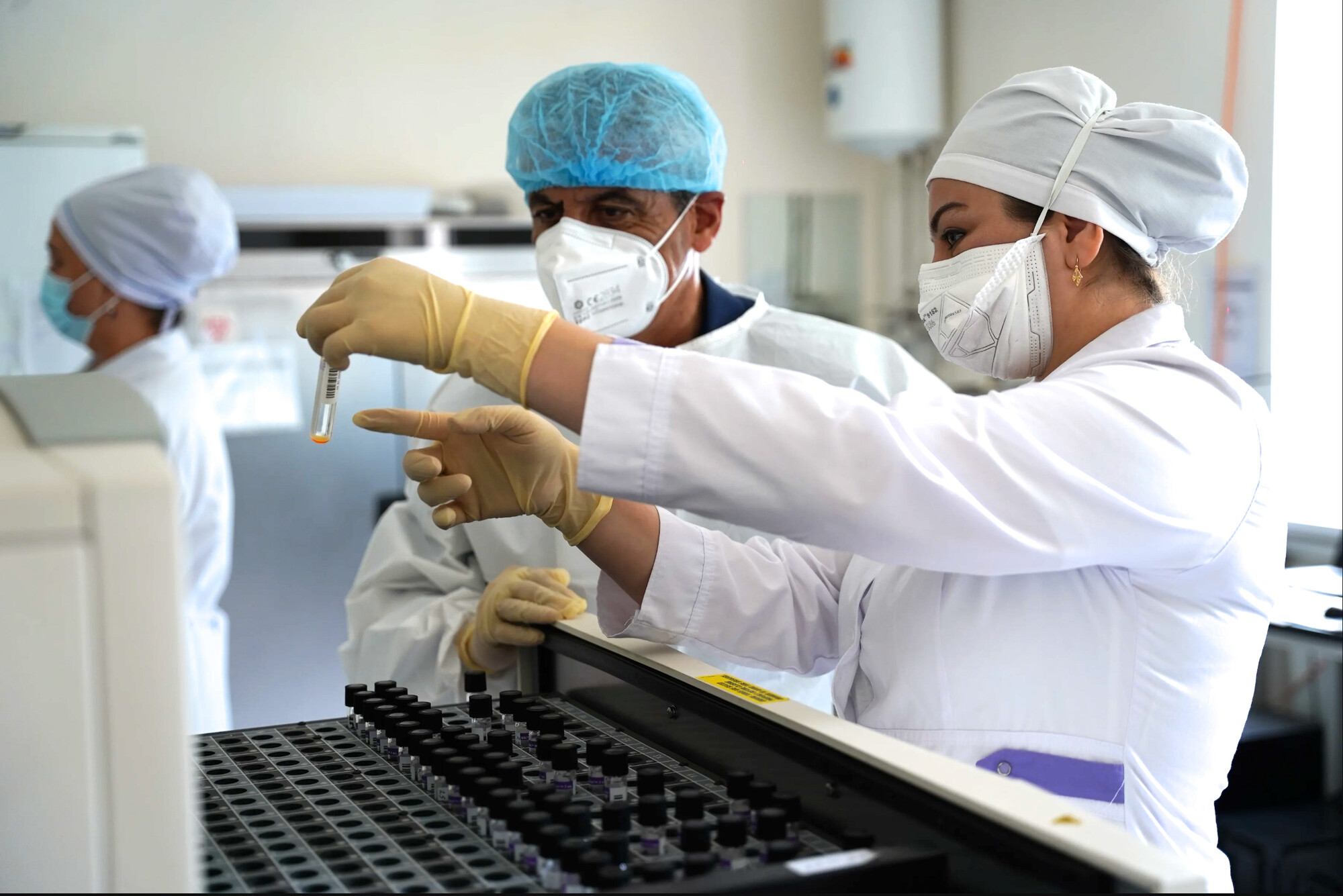
2012 — As part of an effort to improve standards of quality and quality management systems (QMS) in government laboratories throughout Vietnam, the National Laboratory Capacity Building program was initiated in 2010 with funding and technical support from the U.S. Centers for Disease Control and Prevention and the U.S. President’s Emergency Plan for AIDS Relief. The…
-
Bros Khmer: 2012 Behavioral Risks On-site Serosurvey Among At-Risk Urban Men in Cambodia
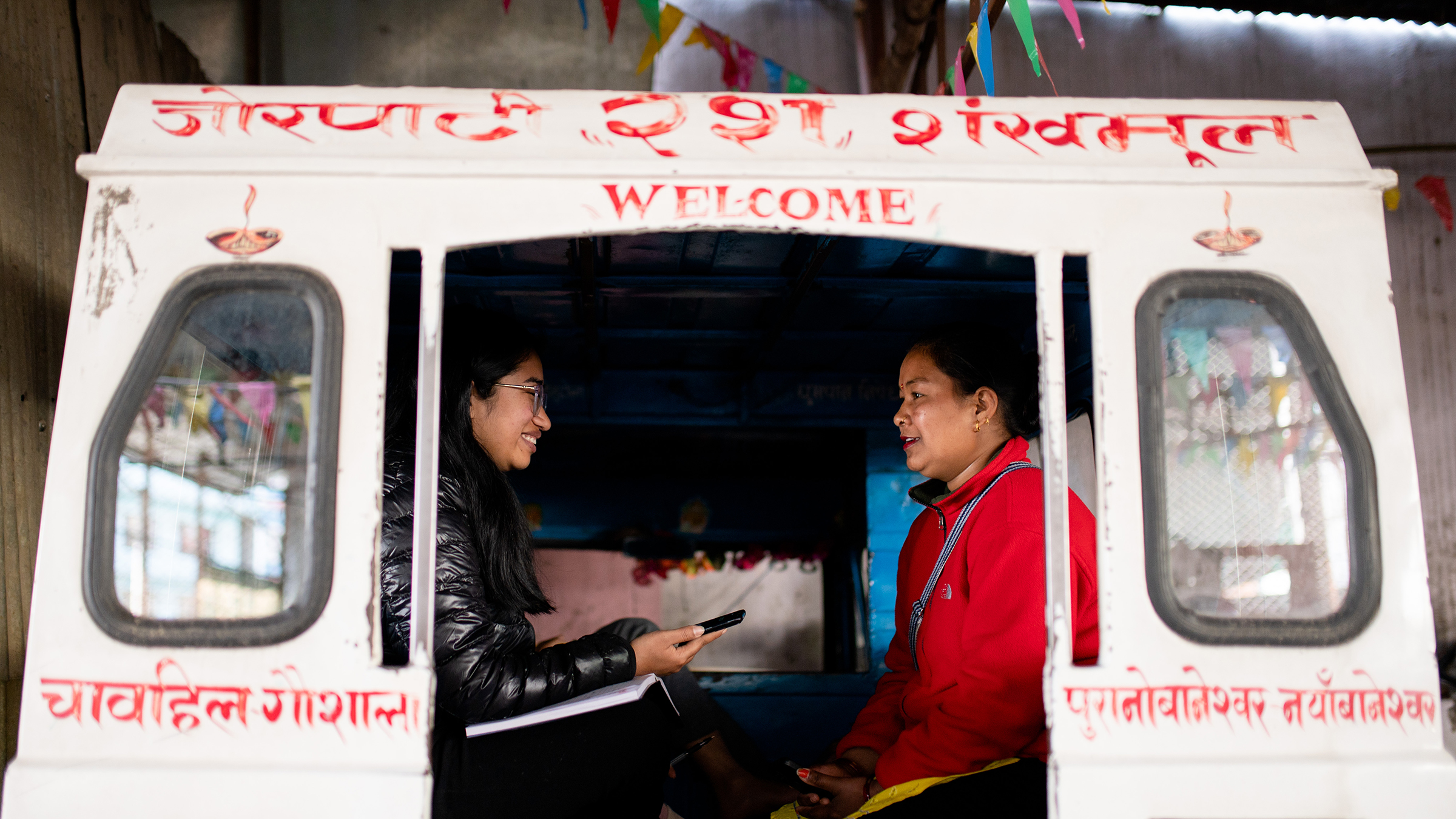
2012 — The study was designed to collect integrated HIV serostatus and behavioral risk information among Cambodian men frequenting “hot spots,” such as entertainment venues or MSM (men who have sex with men) venues, with a mobile bus. This publication was created under the Project for HIV and AIDS Strategic Technical Assistance (PRASIT).
-
Program Review: SMARTgirl, Providing HIV/AIDS Prevention and Care for Entertainment Workers, Reporting Period: October 2008–June 2010
2011 — The midterm review of the SMARTgirl program gathered both quantitative and qualitative data from entertainment workers as well as peer facilitators, and was triangulated with existing programmatic data to effectively monitor program performance for the October 2008–December 2010 period. The information gathered has been used to generate recommendations for the remaining two years…
-
Program Review: MStyle, Providing HIV/AIDS Prevention and Care for Men Who Have Sex with Men, Reporting Period: October 2008–June 2010
2011 — The MStyle midterm review was conducted to monitor program performance. Quantitative data was supported by existing programmatic data and was collected from men who have sex with men at hotspot locations and online, as well as from peer facilitators. The information gathered has been used to generate recommendations for the remaining two years of…
-
Strategic Behavioral Communications: Inventory of HIV Prevention, Care and Treatment Materials Funded by USAID’s Project for HIV and AIDS Strategic Technical Assistance (PRASIT) October 2008–July 2012
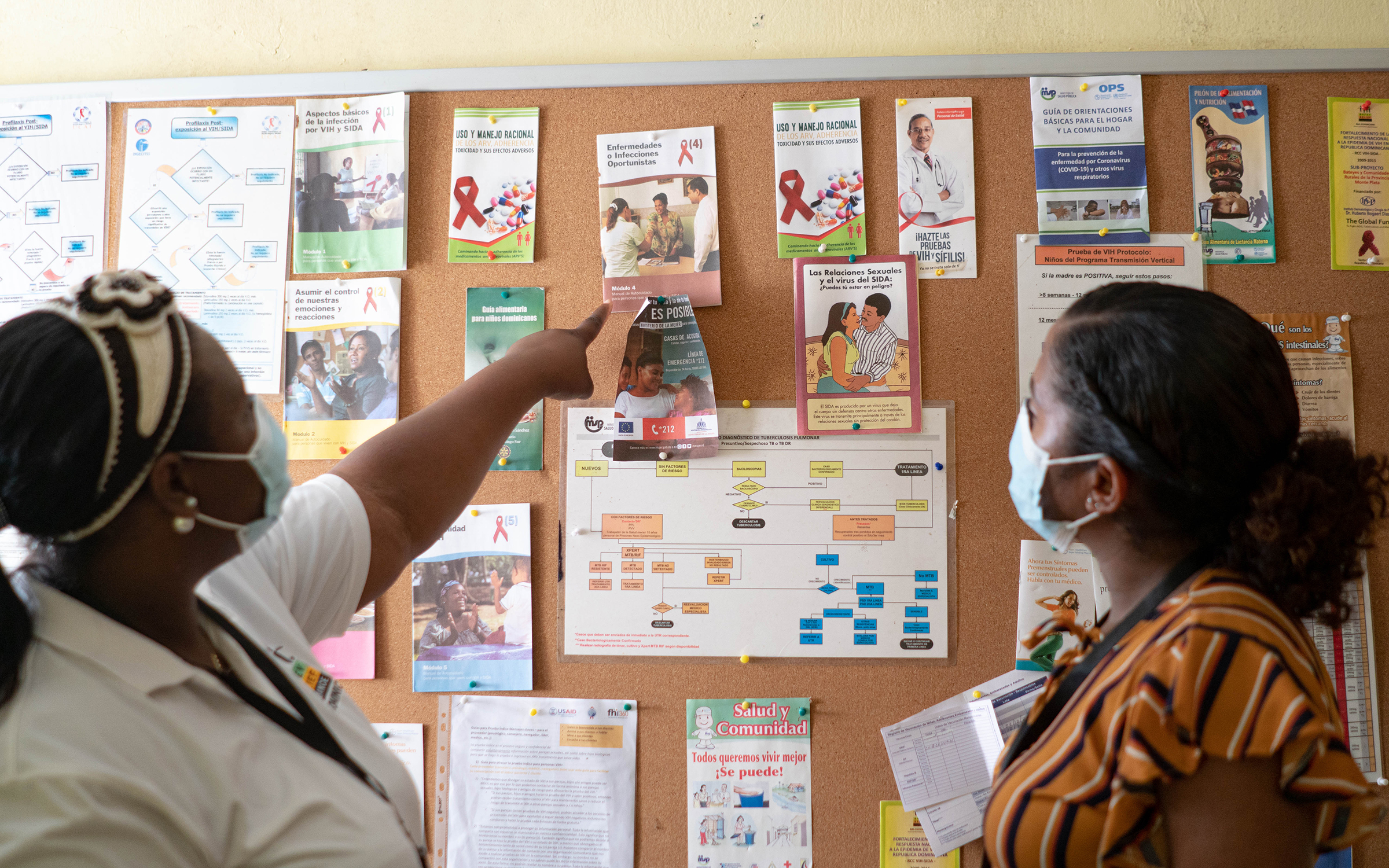
2012 — This inventory of HIV prevention, care and treatment tools was funded by the U.S. Agency for International Development. The publication contains over 100 tools and materials for programs such as those for men who have sex with men, SMARTgirl (a program to encourage entertainment service workers to use condoms and be tested for HIV…
-
Development of Capacity Building Workshop Training Series: Experience in DRC
October 2012
-
Preventing Mother-to-Child HIV Transmission through Family Planning in Maternal and Child Health Services: Kenya, Rwanda and South Africa
2010 — Between 2007 and 2009, FHI 360 conducted three assessment studies of preventing mother-to-child transmission (PMTCT) services in Kenya, Rwanda and South Africa. Researchers considered whether HIV-positive pregnant and recently postpartum women with unmet contraceptive need could be reached with family planning services in facilities that offered antenatal care (ANC), postnatal care (PNC) and child…
-
Parent to Parent Support
January 2011 — Parent to Parent is a program that provides information and one-to-one emotional support to parents of children who have special needs. This short publication describes the program.
-
Going Green: The Vital Role of Community Colleges in Building a Sustainable Future and Green Workforce
2009 — This report examines the growing role of community colleges in a low-carbon, clean energy economy. It offers examples of innovative strategies on climate change, environmental stewardship and green workforce development; information on the fastest growing sectors in the clean energy economy; and ideas for stimulating the dialogue on the role of community colleges in…