








Language: English
-
Comparison of Hormonal Implants
2010 — This chart provides a side-by-side comparison of the most prominent hormonal contraceptive implants on the market.
-
Community Counselor Training Toolkit
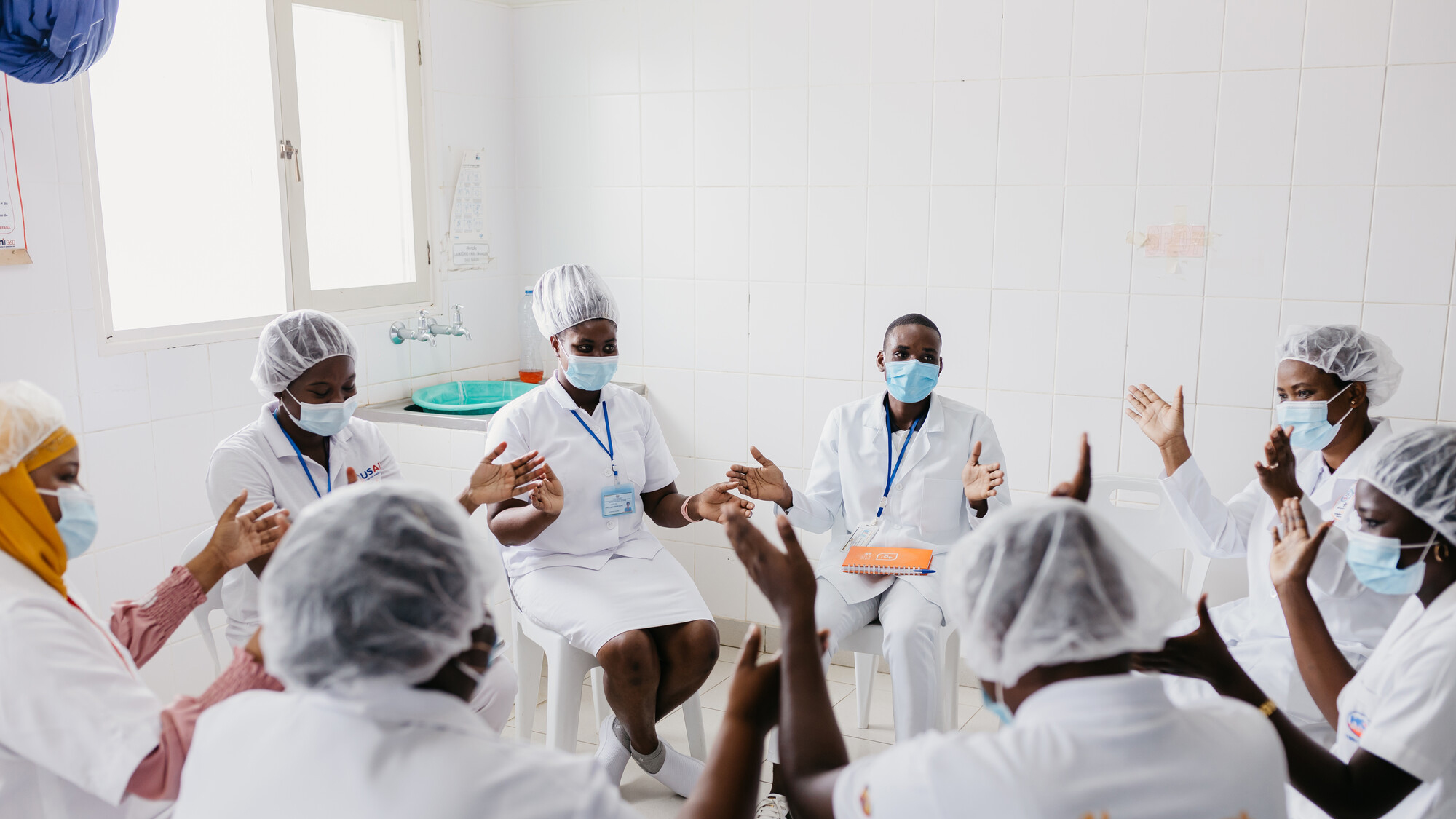
September 2006 — FHI 360 has developed a novel, client-centered approach to training community counselors that enables them to focus on the whole person. This means that counselors put HIV infection in the context of clients’ lives, rather than isolating their sexual behaviors, risk patterns or treatment needs. This approach provides a universal framework that is…
-
Communications Handbook for Clinical Trials: Strategies, Tips, and Tools to Manage Controversy, Convey Your Message, and Disseminate Results
2014 — First published in 2010, this handbook is now available online. With nine easy-to-navigate chapters plus videos, slide presentations and other resources not included in the original version, the online edition provides practical guidance to clinical trial staff and research partners on how to anticipate and respond to the special communications challenges posed by…
-
Training Curriculum on Drug Addiction Counseling
2010 – This training curriculum is designed to provide drug counselors with the knowledge, basic counseling skills, and techniques needed to help both active and recovering drug users to minimize risk associated with drug use by reducing risky behaviors and reducing or stopping drug use.
-
Building Novel Clinical Research Capacity in Resource-Limited Settings: Lessons Learned at Three Mozambique Sites
2012 — There are striking disparities in clinical research capabilities worldwide, particularly across regions of sub-Saharan Africa, where disease burden is high. Establishment of novel, indigenous research capabilities is difficult, and evaluations of capacity-building efforts remain scarce. We share our lessons learned from establishing three new clinical research sites in Mozambique.
-
Behavior Change: A Summary of Four Major Theories
1996 — This document presents and explains four of the most commonly cited theories used in HIV/AIDS prevention on how behavior change is believed to occur.
-
Orphans and Vulnerable Children: Trends in School Access and Experience in Eastern and Southern Africa
A decade after the term “orphans and vulnerable children” entered the international development lexicon, FHI 360’s Education Policy and Data Center reflects on the “orphan crisis” and the policy response. This resource examines how “vulnerability” has shaped the educational outcomes and experiences of children in eastern and southern Africa.
-
Child Vulnerability and Educational Disadvantage in Uganda: Patterns of School Attendance and Performance
Produced by FHI 360’s Education Policy Data Center, this paper analyzes the extent to which Uganda’s official government “child vulnerability” indicators are associated with two important components of educational disadvantage: school attendance and 6th-grade learning outcomes.
-
Assessment of Youth Reproductive Health Programs in Ethiopia
April 2004 — YouthNet completed an Assessment of Youth Reproductive Health Programs in Ethiopia, at the request of the USAID Ethiopia Mission. The report includes a background summary of reproductive health and HIV/AIDS in Ethiopia among youth, a summary of the YouthNet team visit, a summary of existing programs in the country and repeated themes that…
-
AIDSCAP: How to Conduct Effective Pretests (PDF in English, French)
This handbook, designed by AIDSCAP’s Behavior Change Communication (BCC) unit, is intended to help field-level planners and implementors conduct simple, effective pretests of BCC materials for HIV/AIDS prevention. This handbook will help you: Understand what pretesting is and why it is important Learn different methods of pretesting Determine whether materials are easily readable Design and conduct…