


Language: English
-
2012 Comprehensive Family Planning Training Evaluation Report (Ethiopia)
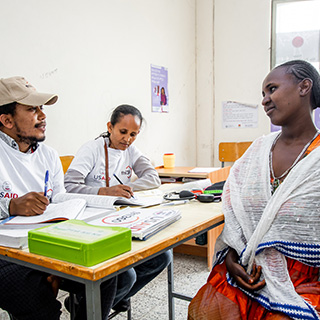
November 2012 – With support from FHI 360’s Program Research for Strengthening Services (PROGRESS) project, FHI 360 researchers and independent consultants evaluated a group of comprehensive family planning trainings that were conducted by the Integrated Family Health Program (IFHP) in Ethiopia. This report describes the success of the trainings as well as weakness that need to…
-
FHI 360 Strategy for Palliative Care for HIV and Other Diseases
February 2009 — Palliative care — the combination of measures that relieves suffering and improves quality of life for those facing life-threatening illness — begins from the point of diagnosis and continues through death and bereavement. Palliative care is one of the most important forms of care for individuals with active, progressive or far-advanced illness. Yet…
-
Pre-exposure Prophylaxis for HIV Infection Among African Women
August 2012 — The primary results of a trial of once-daily oral Truvada for pre-exposure prophylaxis for HIV infection among women in Africa (FEM-PrEP) are presented in an article published in The New England Journal of Medicine. The FEM-PrEP study was stopped early, on April 18, 2011, because of a lack of efficacy. Despite targeted…
-
FHI Annual Report 2002
This report illustrates some of the ways FHI helped to address the world’s most pressing health issues in 2002 by: Targeting a wide range of public health needs in Kenya through a comprehensive, integrated program of services and research Focusing the energy and expertise of young people on what they need to protect themselves and…
-
FHI Annual Report 2005
In this report, we highlight some of FHI’s technical skills and experience — in research and service program implementation — which, in collaboration with multiple partners and sponsors, are the foundation for our successful contribution to global health and development goals.
-
FHI Annual Report 2007
In 2007, FHI focused on bringing research and public health programs together to improve people’s lives. Our researchers increased understanding of the technologies and health care systems best suited to people in need. Our public health professionals combined this scientific information with best practices from the field to deliver evidence-based health programs that have real impact. This…
-
FHI Annual Report 2008
In 2008, FHI built on our globally recognized scientific and technical leadership and our ability to adapt knowledge and systems in order to expand our scope and impact. We embarked on critical research and programs that address infectious diseases ranging from avian influenza and dengue fever to malaria, rotavirus and tuberculosis, as well as heart…
-
FHI Annual Report 2009
FHI’s 2009 annual report, A More Powerful Approach, outlines our evidence-based approach to improving lives and provides examples of our global impact. The report features FHI’s work in Haiti, where we are leveraging our strong partnerships to help address the country’s long-term needs. It also cites examples of our work to strengthen health systems in Nigeria,…
-
FHI Annual Report 2010
Four Decades of Improving Lives, FHI’s 2010 annual report, takes a brief look at the past by highlighting snapshots of our work during the previous 40 years. From contraceptive research to testing malaria prevention technologies to strengthening health systems, we have left our mark throughout the world. While the report is a tribute to our…
-
FHI 360 Annual Report 2011
Addressing the world’s most enduring challenges requires that we examine issues through multiple lenses and make the connections that will improve people’s lives. With a 360-degree perspective we are able to work across a broad set of disciplines to deepen our understanding of complex issues. We can deliver thoughtful, evidence-based and tailored responses. We can…