





Language: English
-
Peacebuilding and Preventing Violent Extremism
April 2023 — This fact sheet provides an overview of FHI 360’s approach to using locally owned and sustainable tools to promote peace and prevent violent extremism. These local solutions leverage the inherent resiliency of communities and people and strengthen communities’ capacities for peace. Several examples of our work are provided.
-
FHI 360’s Adaptive Peacebuilding Approach
May 2023 — This fact sheet outlines FHI 360’s approach and commitment to adaptive peacebuilding. This approach starts with understanding the complex and dynamic nature of the problem — and continuously updating that understanding. It has at its core the principles of local ownership, including investing in local capacities and the resilience of institutions to…
-
Menstrual Changes with Contraceptive Use is NORMAL – Educating Youth in Zimbabwe
February 2023 — This brief describes the Mhuri/Imuli project’s use of the community-based NORMAL tool — a counseling tool that explains how family planning methods affect menstruation — and how facilitators were trained on using the tool to provide information on family planning and menstruation to young people in Zimbabwe. Facilitators were able to reach…
-
The Fleming Fund Country Grant, Nepal (fact sheet)
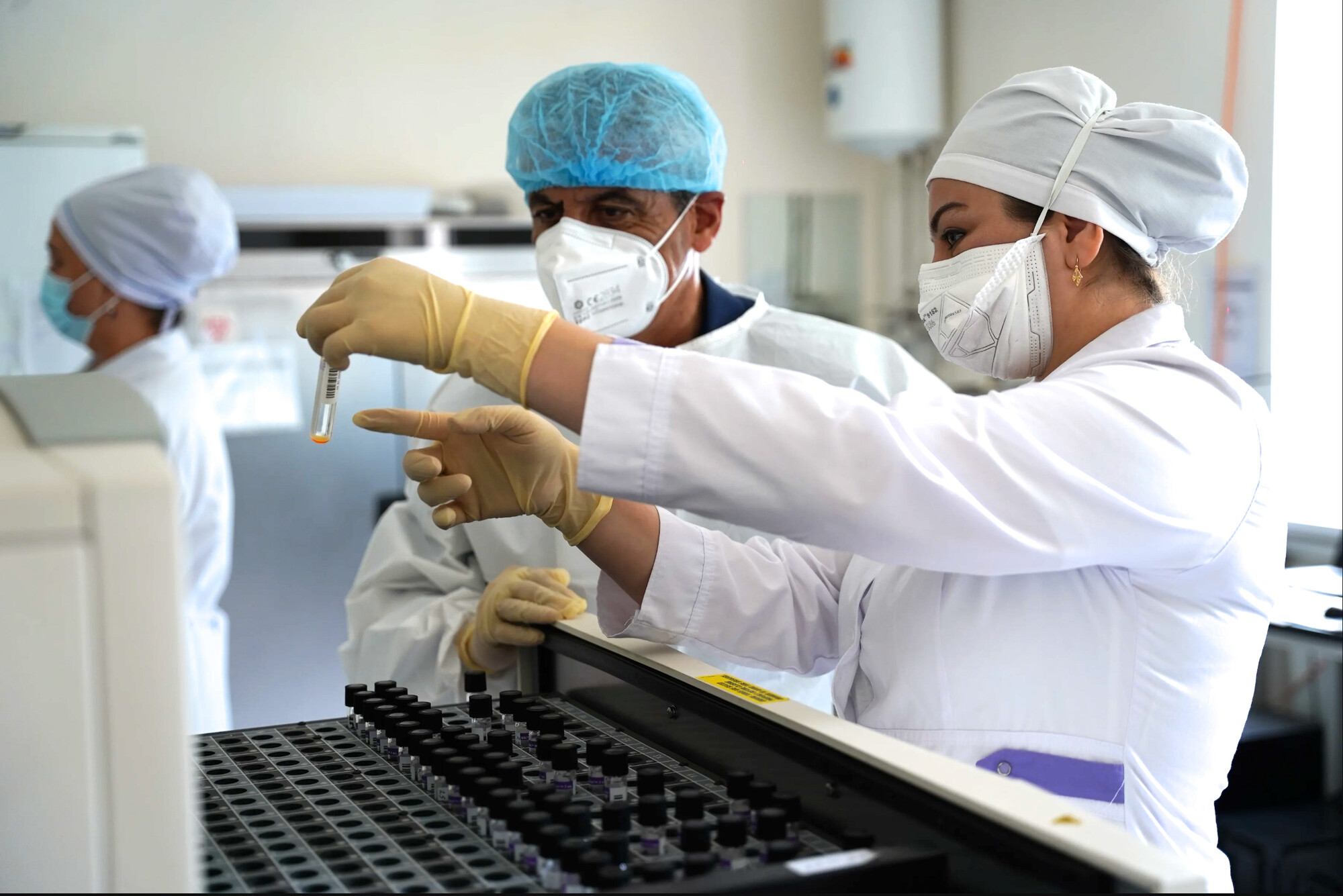
October 2022 — This fact sheet provides background on and describes the activities and achievements of the Fleming Fund Country Grant for Nepal, which aims to strengthen the capacity of human resources and laboratory and surveillance systems for antimicrobial resistance, antimicrobial use and antimicrobial consumption in the human, animal, food and environment sectors using a…
-
Five Lessons Learned About Private Sector Engagement During COVID-19
January 2023 — This document describes the Partnerships for Business Resilience and Recovery in Southeast Asia project (PBRR) and its accomplishments. It presents five lessons the PBRR project’s staff members and partners learned about supporting businesses in crisis, such as the COVID-19 pandemic. The document concludes with suggestions, made by project staff and partners, for…
-
Civil Society: Mutual Accountability Project (CS:MAP) fact sheet
This fact sheet summarizes the U.S. Agency for International Development-supported Civil Society: Mutual Accountability Project (CS:MAP), which was carried out in Nepal from April 2016 to September 2022. The fact sheet features a map of Nepal that shows the areas where the project was implemented, lists the project’s implementing partners and collaborators, and describes the…
-
Addressing Burnout: Resource Toolkit
December 2022 — This toolkit is a product of an FHI 360 staff learning exchange on addressing burnout, which ran from April to November 2022. It is a collection of links to and excerpts from articles, books, podcasts and other resources that may be helpful as staff members, within and outside of FHI 360, seek…