






Skip to content
FHI 360
  • Languages
  • Low bandwidth
  • High bandwidth
  • Search
  • Who we are
        • Who we are
          • About us
          • Leadership
          • Ethics and safeguarding
          • Impact and financial reports
          • Contact us
        • About us

          Impact and financial reports

  • What we do
        • What we do
          • Economic opportunity
          • Health


        • How we do it
          • Research in action
          • Humanitarian response
          • Digital innovation and AI
        • Explore our expertise
        • Economic opportunity

          Health

  • Where we work
        • Where we work
          • Asia Pacific
          • Central Africa
          • East Africa
          • West Africa
          • Southern Africa
          • Middle East and North Africa
          • Europe and Central Asia
          • Latin America and the Caribbean
          • United States
        • Around the world

          In the United States

  • Work with us
        • Work with us
          • Join our team
          • Local partners
          • Government and multilateral funders
          • Foundations and corporations
          • Academic and research partners
          • Small businesses and vendors
          • CEO position specification
        • Join our team

          Local partners

          Government and multilateral funders

          Foundations and corporations

          Academic and research partners

          Small businesses and vendors

  • News
        • News
          • Newsroom
        • Get the latest news
        • Newsroom

  • Stories
        • Stories & blog
          • Stories
          • Videos (YouTube)
          • Blog
        • Explore our storytelling
        • Our storytelling

          Blog

  • Resources
        • Resources
          • Resource library
        • Resource library

Home | Expertise | SCALE+ methodology | Invest in collaboration

SCALE+ methodology

Invest in collaboration

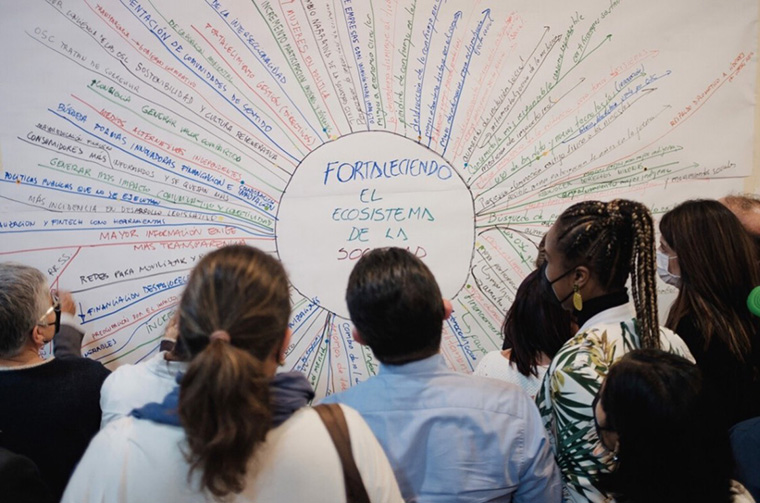
With the SCALE+ methodology, investing in collaboration means promoting a mindset shift, expanding perspectives and harnessing dynamic intelligence. Transforming systems requires strong, connected and trusting relationships, as systems are fueled by social capital. Robust relationships lead to collective actions capable of generating system-wide change and impacts. For real transformation, a project should consider investing its resources and technical assistance at an entry point where social capital exists or is growing. 
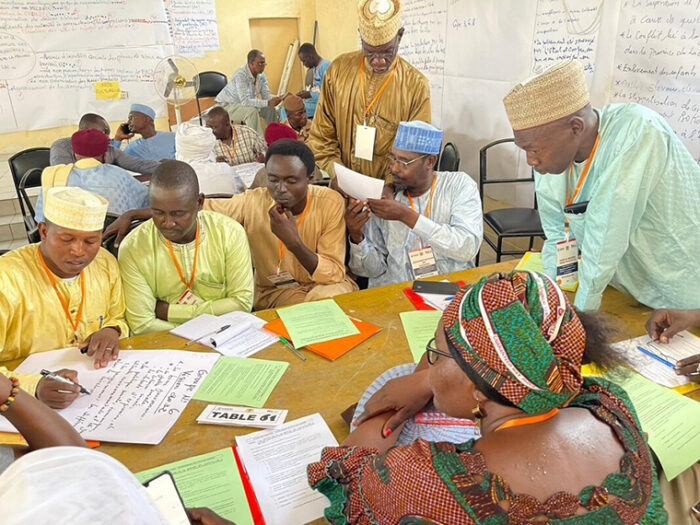
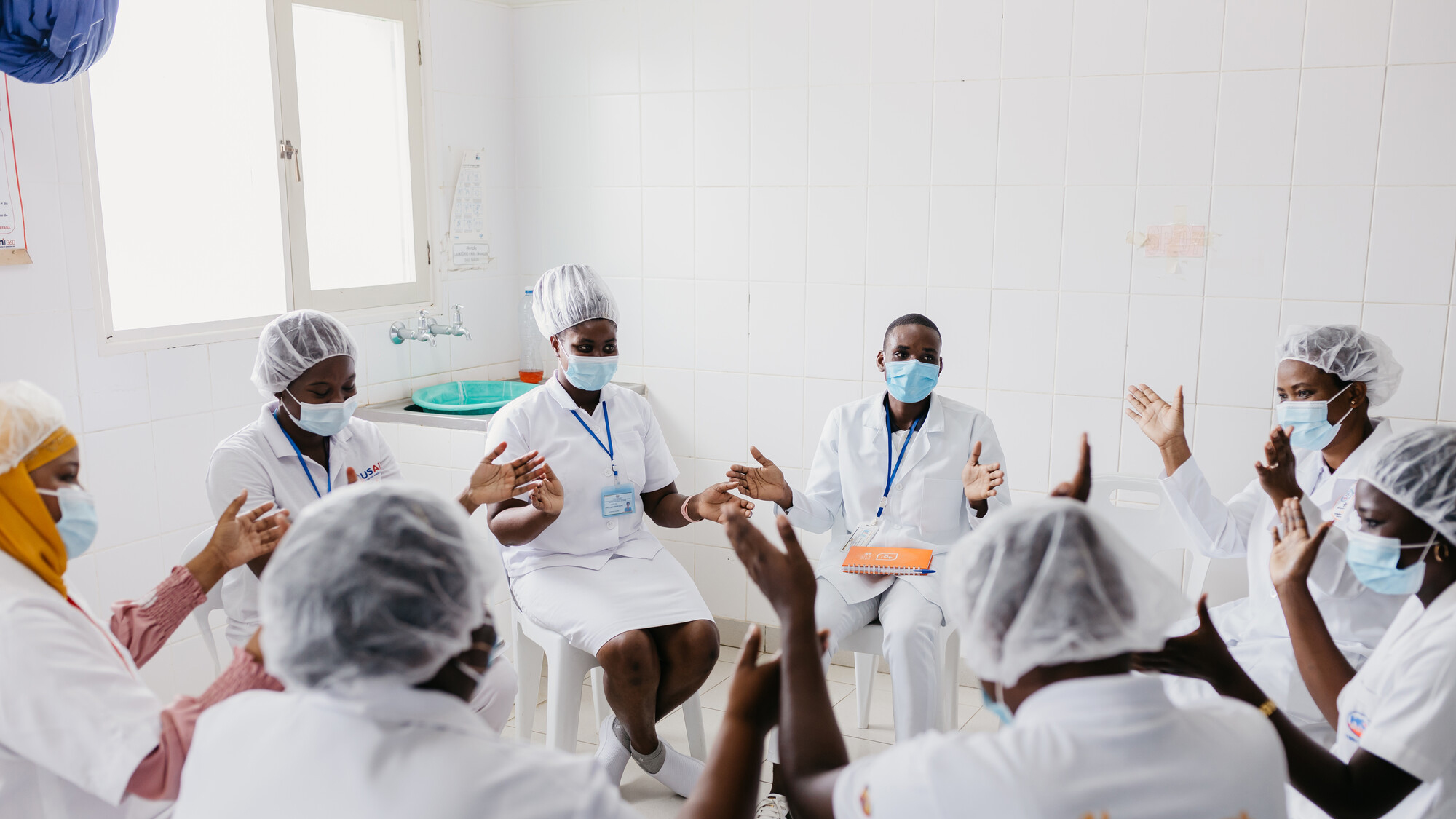
Participants representing local authorities of Chad’s Lac Province use a collaborative role-playing activity to identify conflict management and resolution solutions during a workshop in Bol, Chad, as part of USAID’s Chad Civil Society Strengthening Activity (CCSSA). The program, which is implemented by FHI 360, aims to strengthen democratic culture and participation. Photo credit: Angele Ndounabe for FHI 360

Promote a mindset shift  

All systems, including social systems, ecological systems, market systems, organizations and even family structures, function as a web of mutual relationships. Therefore, transforming systems requires more than a set of unilateral actions — even with unlimited financial resources.  

SCALE+ encourages project leaders to reimagine the pathway to success by shifting from focusing on a single part of the system to looking at the whole system. By applying a systems lens, project leaders can increase cross-sector stakeholder participation in project decisions and support collective action, which can lead to systemwide transformation.  

Expand perspectives  

Instead of managing a project with several predetermined stakeholders in a given sector, SCALE+ puts in place internal and external management structures to engage with hundreds of stakeholders, assists them in identifying common purposes, and facilitates new and increased collaboration. This creates an enabling environment for the project to address challenges and extend the reach of project resources and technical assistance.  

Harness dynamic intelligence  

SCALE+ generates dynamic intelligence by facilitating cross-sector dialogue among government representatives, civil society leaders and other systems actors about priorities, system needs, and common goals. Involving all stakeholders in decision-making increases their support of, commitment to and trust in the project, and decisions made through collective thinking lead directly to greater participation in collaborative actions and, subsequently, more relevant and lasting change. 

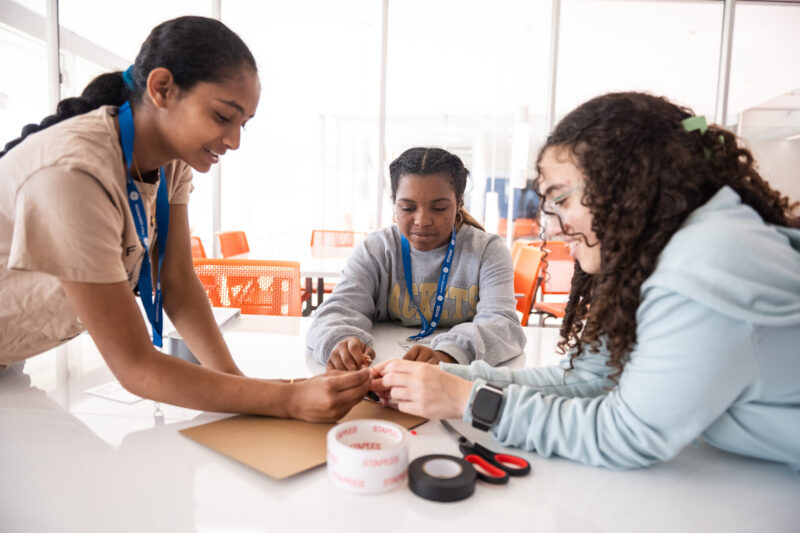
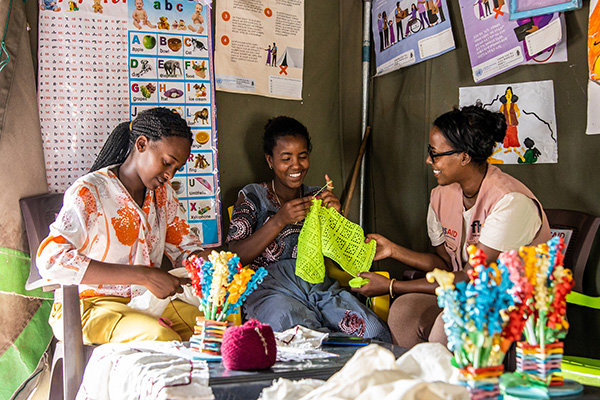
From left: Aicha Latrech, Sana Chafroud and Nabiha Mlihand teach sign language to young people in Tunisia through the Youth Leaders Network Program, part of the Ma3an (“Together” in Arabic) project. Ma3an — which is funded by USAID and implemented by FHI 360 — uses the SCALE+ methodology to collaborate with a wide range of individuals to support young people. Photo credit: Bilel Jarou for FHI 360
Documents / Downloads
Applying the SCALE+ method: Invest in collaboration
Share expertise
Back to top

SCALE+ methodology navigation

  • SCALE+ methodology
  • Invest in collaboration
  • Map the local ecosystem
  • Formulate a common agenda
  • Advance collective action
  • Measure results

On this page

FHI 360

We are a nonprofit organization that mobilizes research, resources and relationships so that people everywhere can access the opportunities they need to lead full, healthy lives.

  • Partner with us
  • Business opportunities
  • Contract mechanisms
  • Small business
  • Our FHI 360 network
  • Events
  • Employee access
  • Contact us
  • Press
  • Privacy notice
  • Ethics and safeguarding

FHI 360 Headquarters
359 Blackwell Street, Suite 200
Durham, NC 27701 USA
1.919.544.7040

Washington, D.C., Office
2101 L St NW, Suite 700
Washington, DC 20037 USA
1.202.884.8000

Anti-trafficking statement

Connect

Sign up for our mailing list and receive the latest updates from FHI 360 straight to your inbox!

  • LinkedIn
  • Facebook
  • X
  • Youtube
  • Instagram

FHI 360 is the registered trade name of Family Health International.

©2026 FHI 360

We are using cookies to give you the best experience on our website.

You can find out more about which cookies we are using or switch them off in .

FHI 360
Powered by  GDPR Cookie Compliance
Privacy overview

This website uses cookies so that we can provide you with the best user experience possible. Cookie information is stored in your browser and performs functions such as recognising you when you return to our website and helping our team to understand which sections of the website you find most interesting and useful.

Essential cookies

Essential cookies should be enabled at all times so that we can save your preferences for cookie settings. However, they can be enabled or disabled using the button below.

Non-essential cookies

This website uses Google Analytics to collect anonymous information such as the number of visitors to the site, and the most popular pages.

Keeping this cookie enabled helps us to improve our website.