
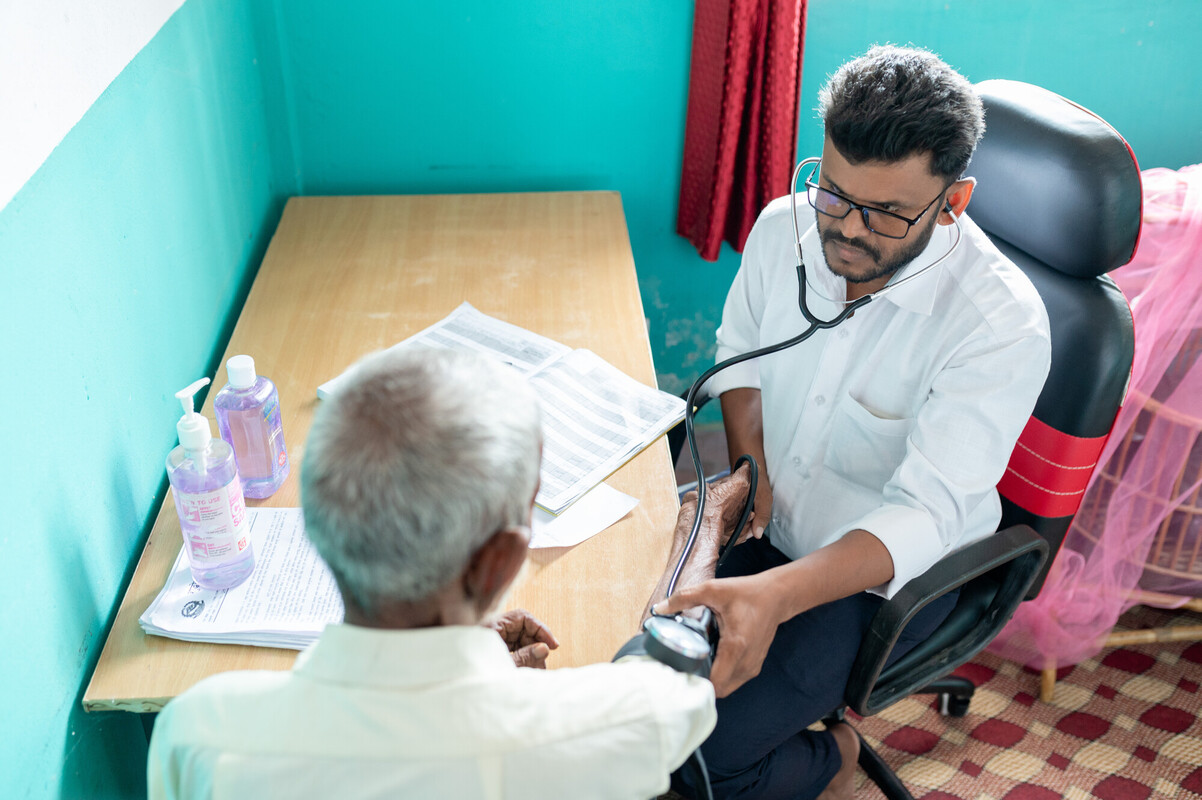
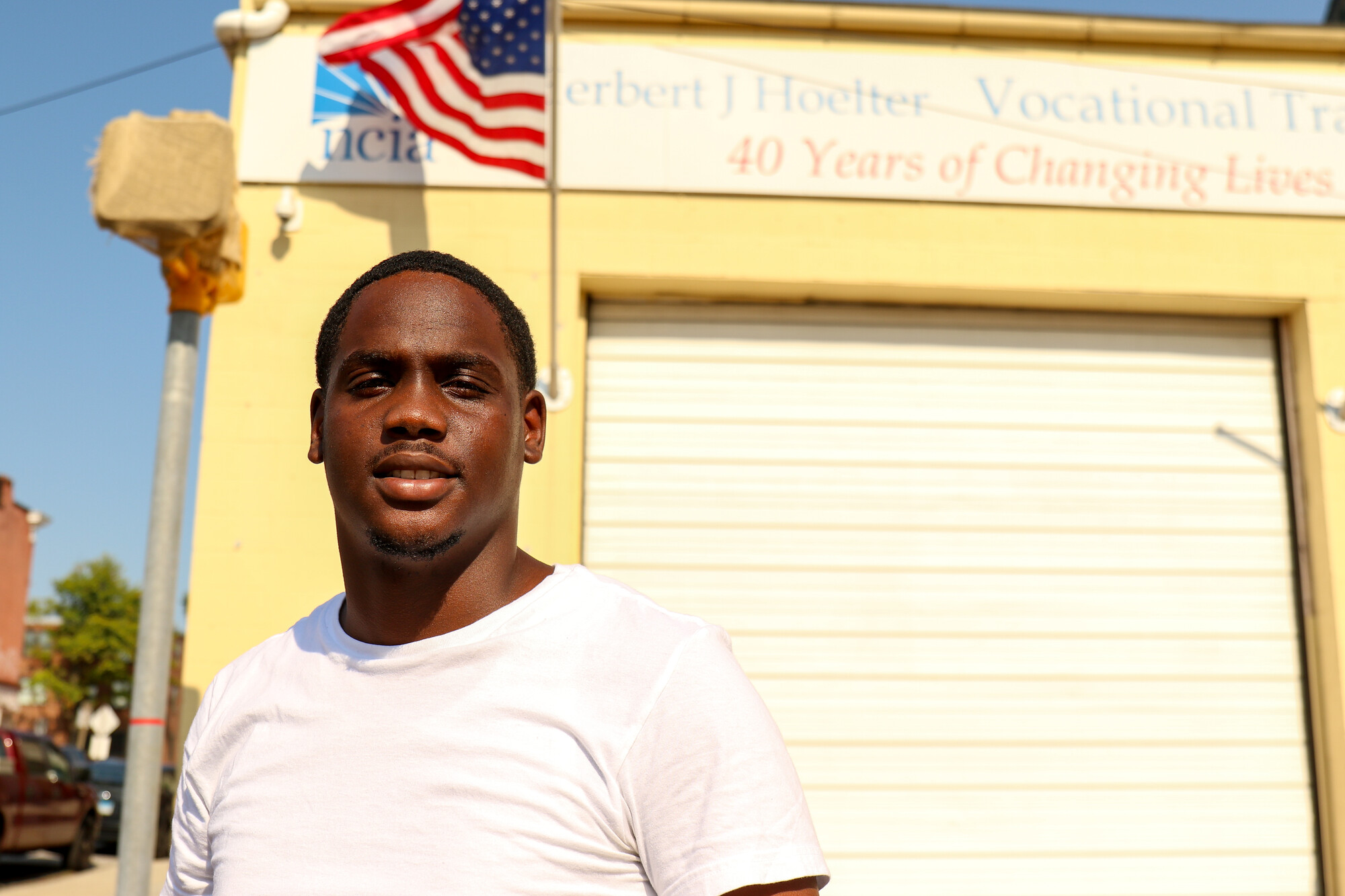
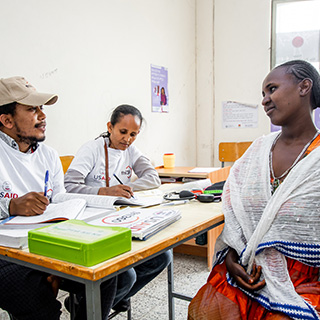
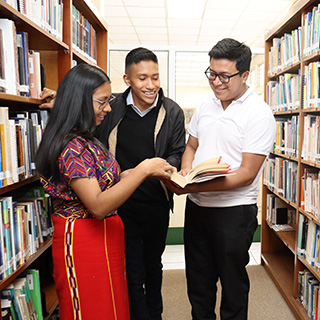
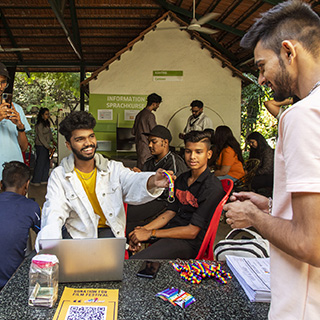
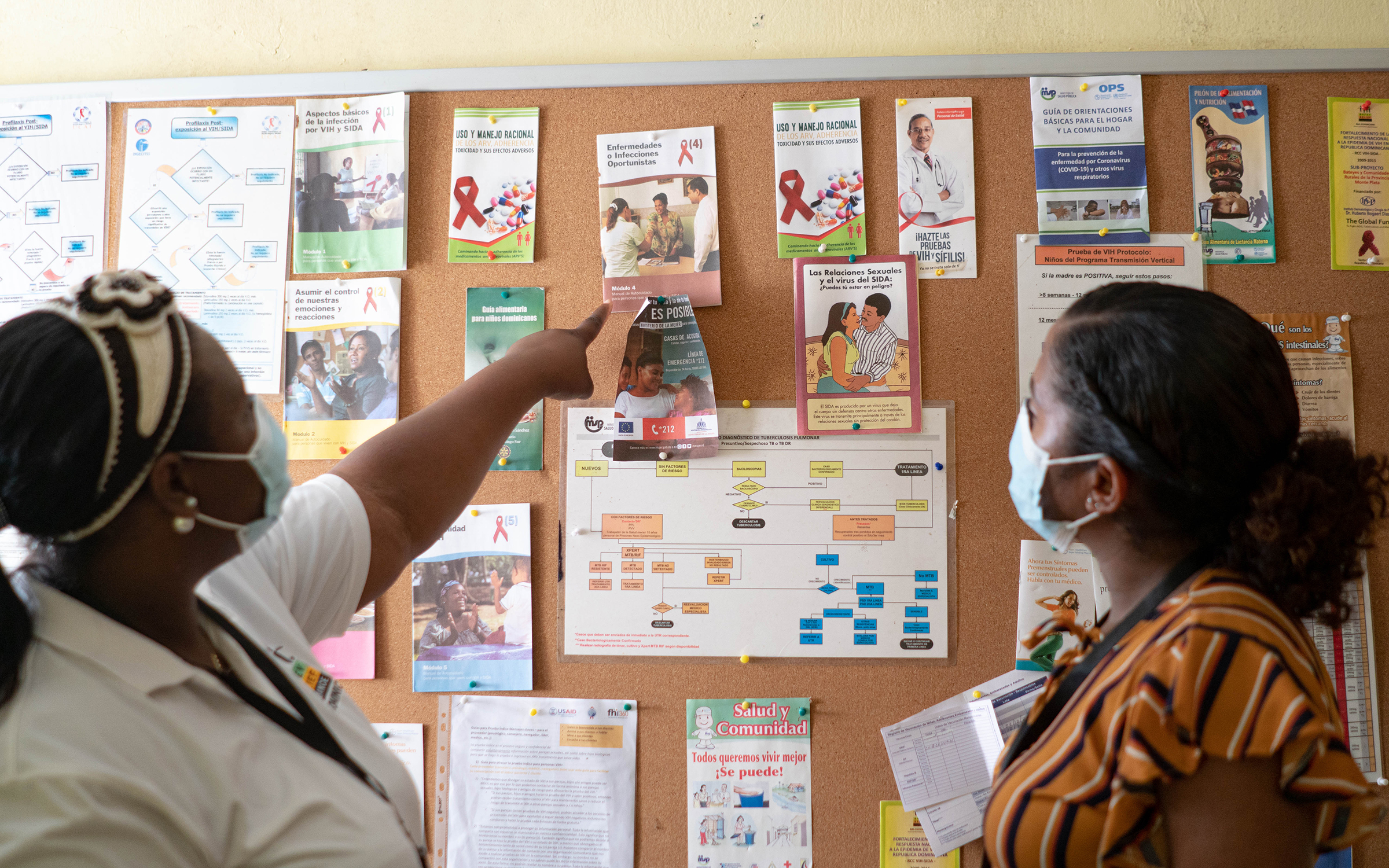
Education is important for all young people, but it can be lifesaving to youth in emergency settings. Adolescence is a period of significant cognitive, emotional and social change for every young person. For youth in emergency contexts, education can help to protect them from recruitment into armed services, sexual exploitation, abuse and early marriage. It can also build inner resilience by offering stability, normalcy and hope.
Given the increase in emergencies worldwide and the number of youth who are out of school, it is critical to ensure that educational curricula are holistic, relevant and meet learners’ social-emotional and developmental needs. We believe there are three elements that must be considered to successfully develop curricula for youth in emergency settings.
1. Learning spaces must be safe.
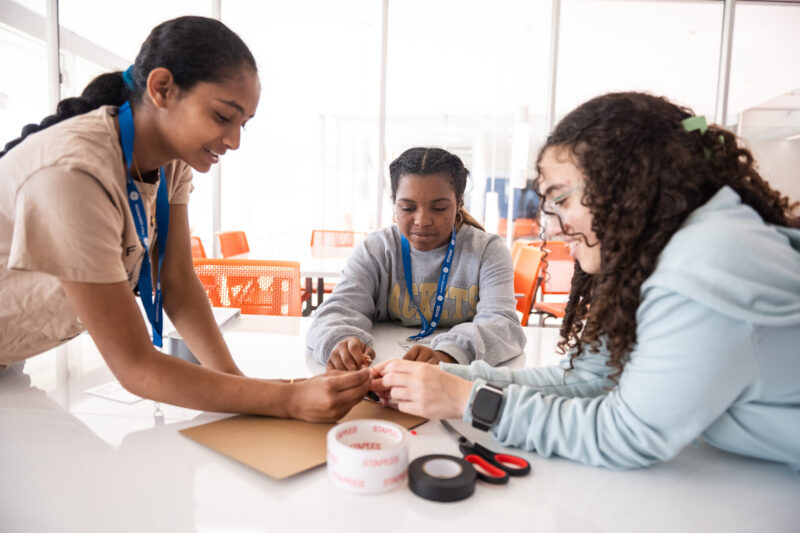
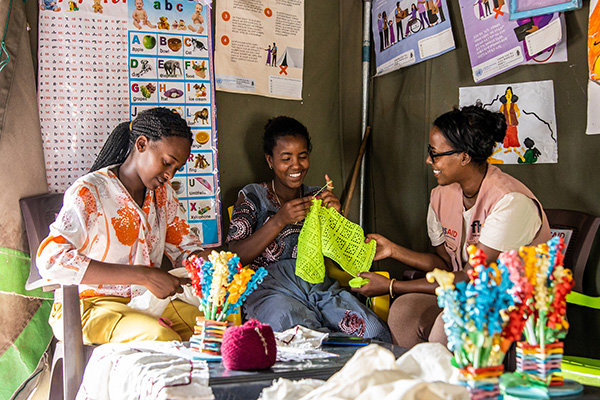
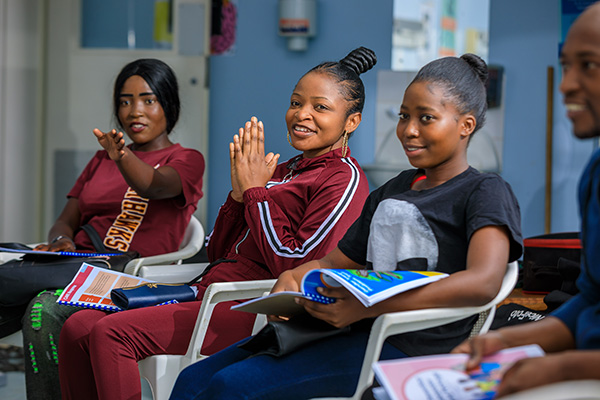
All learning spaces, whether traditional schools or informal classrooms, should be physically, socially and emotionally safe. Youth learners also need to feel secure as they travel to and from these spaces. Having access to safe learning spaces helps to promote a sense of belonging and control, fosters positive social relationships and offers intellectually stimulating educational activities.
FHI 360’s Addressing Education in Northeast Nigeria (AENN) project collaborates with local governments, school personnel and communities to plan for and respond to security issues that may affect learning by activating community-based safety and security plans and by implementing early warning systems. In contexts where youth have no access to education services, FHI 360 is setting up safe spaces by using the Safe Healing and Learning Spaces Toolkit, which offers practical guidance, tools and curricula designed to strengthen social-emotional, math and reading skills.
2. Learners need relevant social-emotional learning activities.
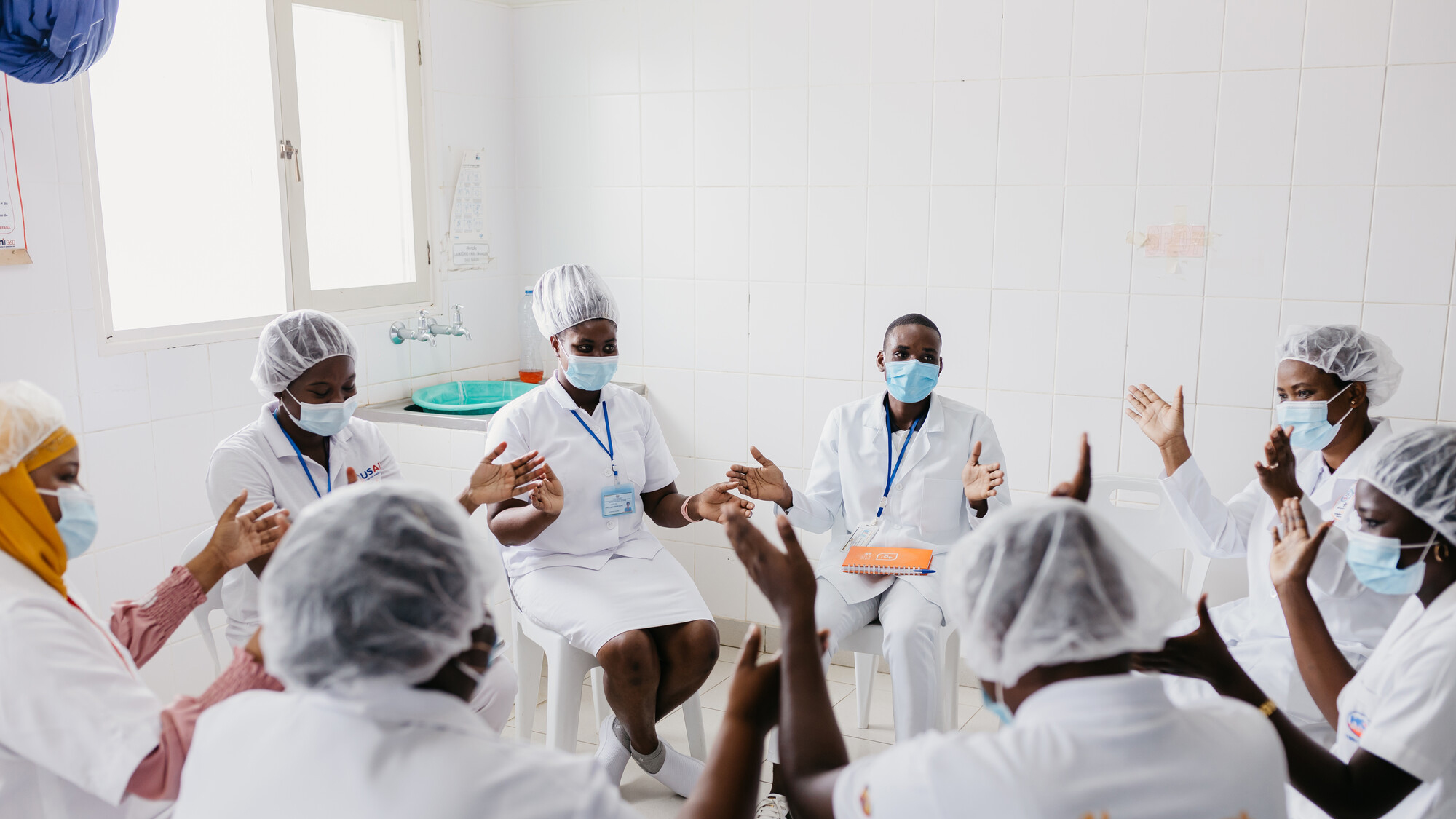
Psychologists, educators, youth workers and even economists have identified the critical importance of social-emotional learning (SEL) in education. SEL contributes to increased academic achievement, positive social behaviors and long-term positive health and income outcomes. Additionally, SEL interventions have been proven to reduce and reverse the harmful effects of exposure to prolonged violence. SEL competencies include self-awareness, social awareness, responsible decision-making, self-management and relationship skills. These competencies overlap with other key soft skills that FHI 360 identified under YouthPower Action as being critical in many different contexts. Youth in emergencies often need more attention and support to develop these skills, given their exposure to violence, conflict and displacement.
FHI 360’s Equitable Access to Education in Southern Senegal (EAESS) project works with youth to assess and adapt SEL life skills activities to better meet the needs of other Senegalese youth in post-conflict settings. The after-school tutoring program, for instance, is pilot testing a variety of tools and approaches, such as recreational activities and breathing techniques. Assessments and consultations with youth and their tutors provide important opportunities to modify and adapt these activities to ensure they are user-driven and relevant. Our goal is to scale up the activities to reach 260,000 youth in four regions — Kedougou, Kolda, Sedhiou and Ziguinchor.
3. School leaders, teachers, caregivers and role models also need social-emotional support to serve students better.
For youth to be well, their teachers, educators, caregivers and role models should also be well. These adults need comprehensive support to appropriately manage their own stress in emergency contexts, foster a nurturing learning environment and model the skills youth need.
In El Salvador, FHI 360’s Strengthening the National Education System program includes a teacher social-emotional learning workshop series in communities with a high prevalence of gang violence. The workshops offer 120 hours of comprehensive professional development for 3,000 teachers to develop essential SEL competencies to improve their overall well-being and resilience. Teachers receive a toolkit with guided audio mindfulness strategies, stress management and relaxation techniques, activity tracking sheets to assess their well-being and adaptation tips for improving the learning environment in their classrooms. They also participate in school-based activities to apply these new techniques. Teachers report that these strategies are helping them regulate their own emotions when difficult circumstances arise, so they can productively address challenging classroom situations.
By ensuring learning spaces are safe and by addressing the social-emotional needs of students, teachers and caregivers, we can develop education programs to better meet the immediate needs of youth in emergencies and contribute to their communities’ long-term recovery efforts.
Learn more about FHI 360’s work in education in emergencies.