Skip to content
FHI 360
  • Languages
  • Low bandwidth
  • High bandwidth
  • Search
  • Who we are
        • Who we are
          • About us
          • Leadership
          • Ethics and safeguarding
          • Impact and financial reports
          • Contact us
        • About us

          Impact and financial reports

  • What we do
        • What we do
          • Economic opportunity
          • Health


        • How we do it
          • Research in action
          • Humanitarian response
          • Digital innovation and AI
        • Explore our expertise
        • Economic opportunity

          Health

  • Where we work
        • Where we work
          • Asia Pacific
          • Central Africa
          • East Africa
          • West Africa
          • Southern Africa
          • Middle East and North Africa
          • Europe and Central Asia
          • Latin America and the Caribbean
          • United States
        • Around the world

          In the United States

  • Work with us
        • Work with us
          • Join our team
          • Local partners
          • Government and multilateral funders
          • Foundations and corporations
          • Academic and research partners
          • Small businesses and vendors
          • CEO position specification
        • Join our team

          Local partners

          Government and multilateral funders

          Foundations and corporations

          Academic and research partners

          Small businesses and vendors

  • News
        • News
          • Newsroom
        • Get the latest news
        • Newsroom

  • Stories
        • Stories & blog
          • Stories
          • Videos (YouTube)
          • Blog
        • Explore our storytelling
        • Our storytelling

          Blog

  • Resources
        • Resources
          • Resource library
        • Resource library

Home | Blog | Good Governance Barometer guides community improvements in Nepal
July 29, 2019

Good Governance Barometer guides community improvements in Nepal

–Joseph Sany, Technical Advisor, Civil Society and Peacebuilding, FHI 360
–Alex Levy, Technical Officer, Civil Society and Peacebuilding, FHI 360

Development practitioners know that governance matters, but what is good governance and how can it be measured? FHI 360’s Good Governance Barometer (GGB) is a social accountability and development planning tool designed to bring together stakeholders, ranging from local government officials to community members, to jointly identify problems – such as improving the management of a health clinic – and determine the actions needed to resolve them. In addition, the GGB process produces action plans that strengthen and help measure the effectiveness and performance of local governance.

FHI 360’s Civil Society: Mutual Accountability Project (CS:MAP), funded by the U.S. Agency for International Development, partners with civil society and media organizations to foster an accountable, resilient Nepali civil society. The project team is using the GGB to achieve this goal.

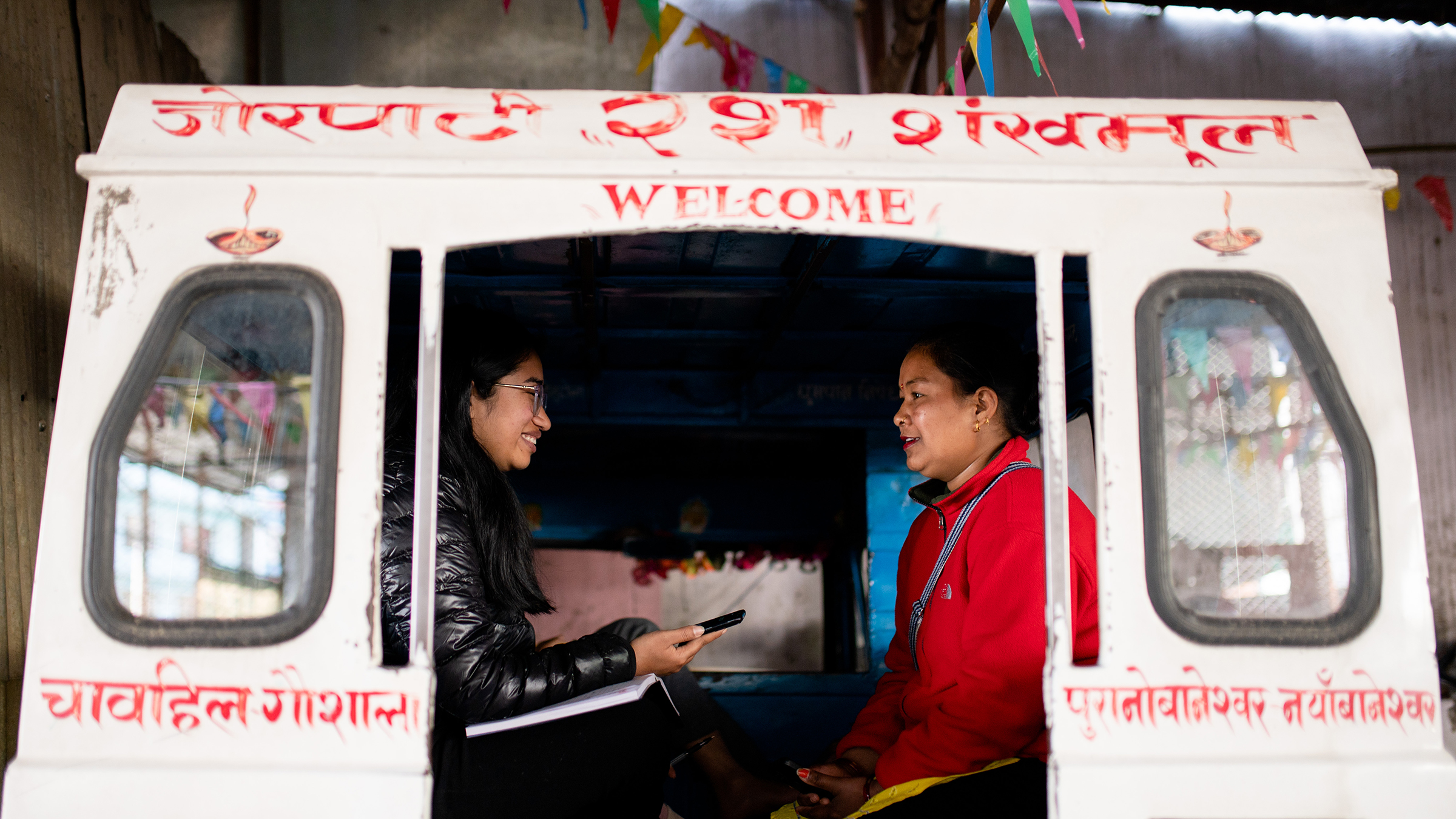
Recently, we traveled to six villages in three rural districts in Nepal – Sindhupalchowk, Rukum and Gulmi – to learn how these communities are using the GGB to improve their public services and achieve this goal. Though the communities we visited were different, we saw some commonalities. Local officials often encountered service delivery challenges for reasons such as limited capacity or resources. When citizens and public officials were empowered to work together using the GGB, however, solutions were more likely to be identified.

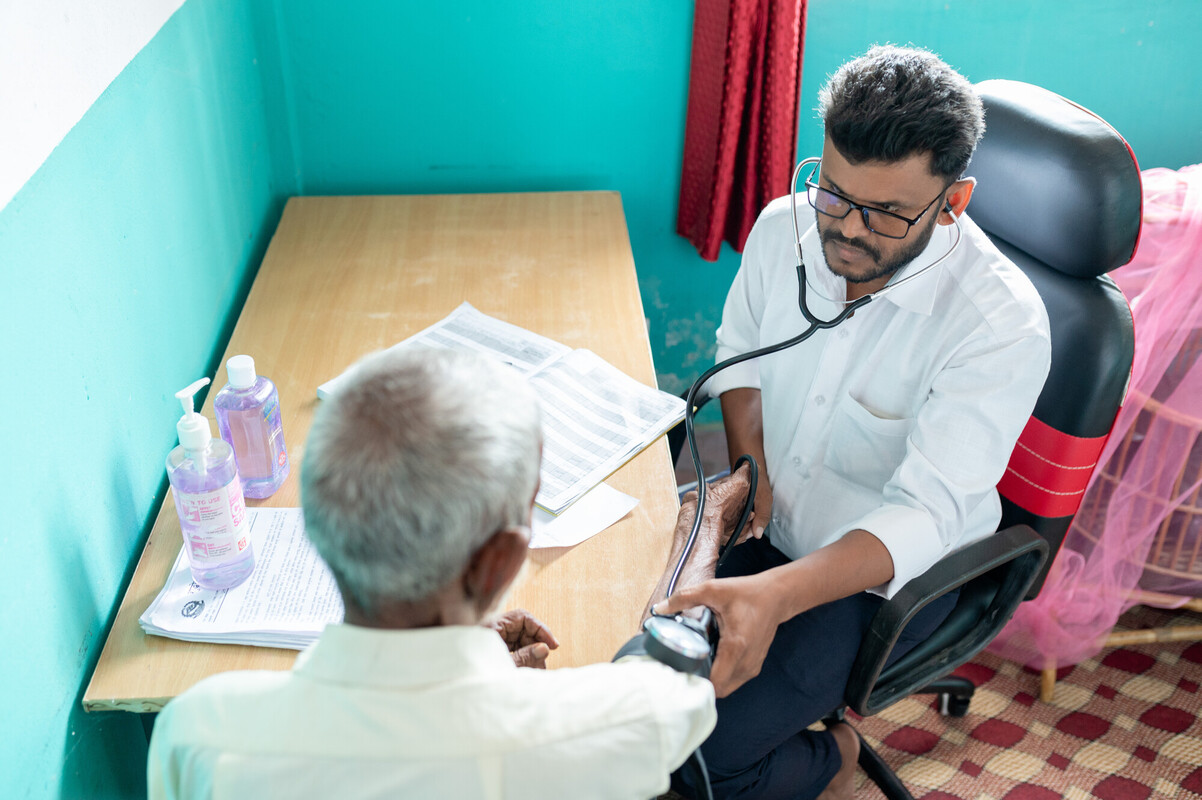
For example, the GGB helped a community in western district Rukum recognize that some of their members, namely women and people with disabilities, faced barriers to accessing the health clinics. After identifying this problem, the community prioritized the need for disability-friendly structures and separate toilets for men and women.

In Gulmi, one farming community cultivates coffee, rice, millet and oranges, but only the wealthiest individuals had been receiving seeds. The GGB helped a diverse stakeholder group decide to organize a farmers committee to ensure the equitable distribution of the seeds. Now, the entire community is able to grow crops for sale or consumption.

In Sindhupalchowk, a village that was severely affected by earthquakes in 2015, the GGB helped the community to identify important deficiencies in the local education system. The GGB’s stakeholder group developed an action plan that resulted in five secondary schools installing machines to check the arrival and departure times of teachers and staff in response to complaints about absences. This new system significantly reduced teacher absenteeism. The stakeholder group also installed complaint boxes in the schools, which are reviewed regularly by a joint group of teachers, students and parents.

One of the GGB’s greatest strengths is its adaptability to different cultures and contexts. The GGB has also been used in Guinea, Mali and Senegal, where each country modified it to fit local needs. The tool enables communities, regardless of location, to better understand the root causes of service delivery challenges, identify common goals and develop plans to achieve them. Most importantly, the GGB supports efforts that are sustainable because they are locally owned and led.

Share blog
Back to top
FHI 360

We are a nonprofit organization that mobilizes research, resources and relationships so that people everywhere can access the opportunities they need to lead full, healthy lives.

  • Partner with us
  • Business opportunities
  • Contract mechanisms
  • Small business
  • Our FHI 360 network
  • Events
  • Employee access
  • Contact us
  • Press
  • Privacy notice
  • Ethics and safeguarding

FHI 360 Headquarters
359 Blackwell Street, Suite 200
Durham, NC 27701 USA
1.919.544.7040

Washington, D.C., Office
2101 L St NW, Suite 700
Washington, DC 20037 USA
1.202.884.8000

Anti-trafficking statement

Connect

Sign up for our mailing list and receive the latest updates from FHI 360 straight to your inbox!

  • LinkedIn
  • Facebook
  • X
  • Youtube
  • Instagram

FHI 360 is the registered trade name of Family Health International.

©2026 FHI 360

We are using cookies to give you the best experience on our website.

You can find out more about which cookies we are using or switch them off in .

FHI 360
Powered by  GDPR Cookie Compliance
Privacy overview

This website uses cookies so that we can provide you with the best user experience possible. Cookie information is stored in your browser and performs functions such as recognising you when you return to our website and helping our team to understand which sections of the website you find most interesting and useful.

Essential cookies

Essential cookies should be enabled at all times so that we can save your preferences for cookie settings. However, they can be enabled or disabled using the button below.

Non-essential cookies

This website uses Google Analytics to collect anonymous information such as the number of visitors to the site, and the most popular pages.

Keeping this cookie enabled helps us to improve our website.