
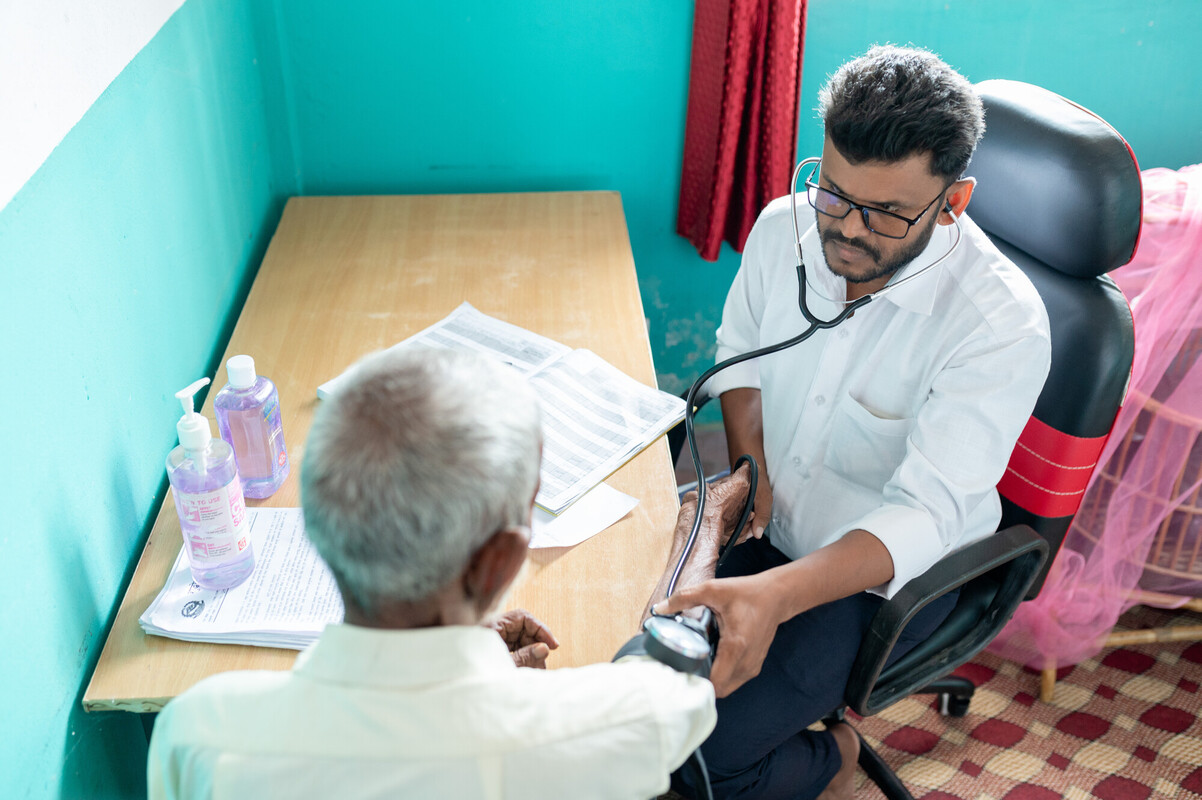
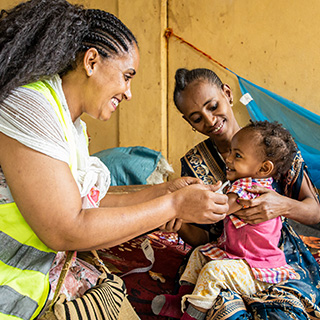
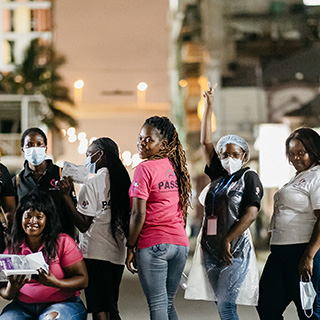


In the face of a fast-moving Ebola outbreak in eastern Democratic Republic of the Congo (DRC), FHI 360 is working with partners to help contain the virus and protect at-risk communities in Ituri, North Kivu and South Kivu provinces. We are contributing to the government of the DRC-led response through two global health projects funded by the U.S. Department of State — the Strengthening Infectious Disease Detection Systems (STRIDES) Activity and Meeting Targets and Maintaining Epidemic Control (EpiC) — which specialize in outbreak preparedness and rapid response in more than 36 countries, including the DRC.
“With Ebola, every day matters,” says Joyce Kakesa, FHI 360 country representative for the DRC. This outbreak is caused by the rare Bundibugyo virus, which currently lacks a specific treatment or vaccine. “With support from the U.S. Department of State, and in close collaboration with the Ministry of Health, FHI 360 mobilized technical, operational and field teams to support the national response, protect communities at risk, and help contain the outbreak before it spreads further.”
Coordinating a rapid response to protect communities
FHI 360’s response emphasizes “teamwork, resilience, and close collaboration with the Ministry of Health, communities and partners,” says Technical Director, STRIDES DRC Alexis “Bantu” Kalimba Bantu. These values are critical in the DRC, where the response is unfolding in a highly complex environment in which different cultures and languages intersect with ongoing conflict — making it harder to reach communities, deliver services, and build the trust needed to stop the virus.
Building community trust and sharing information
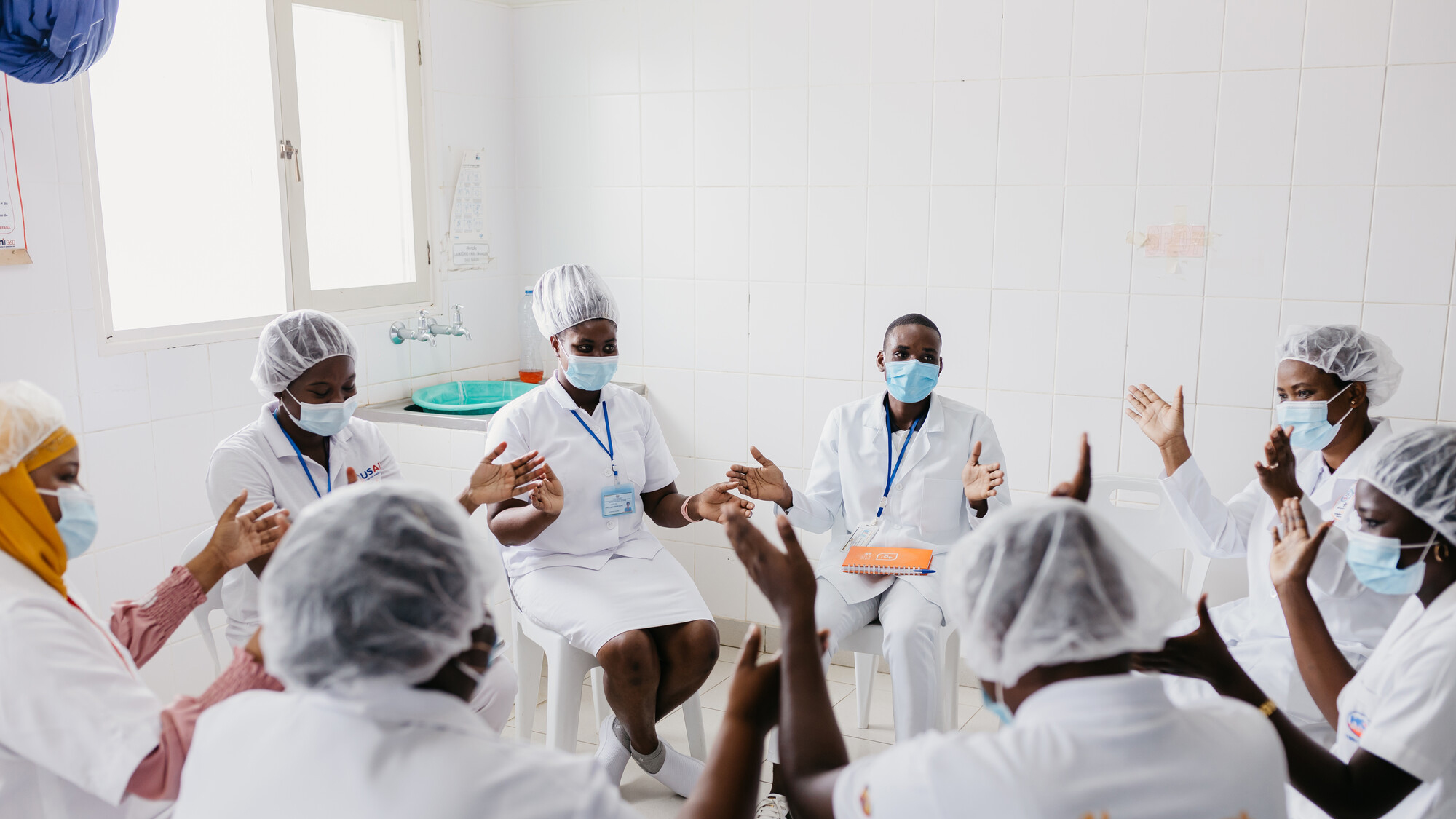
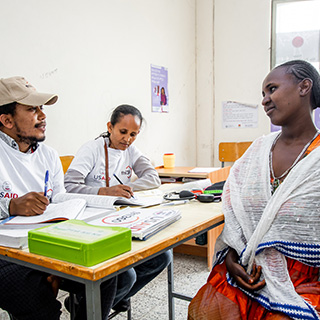
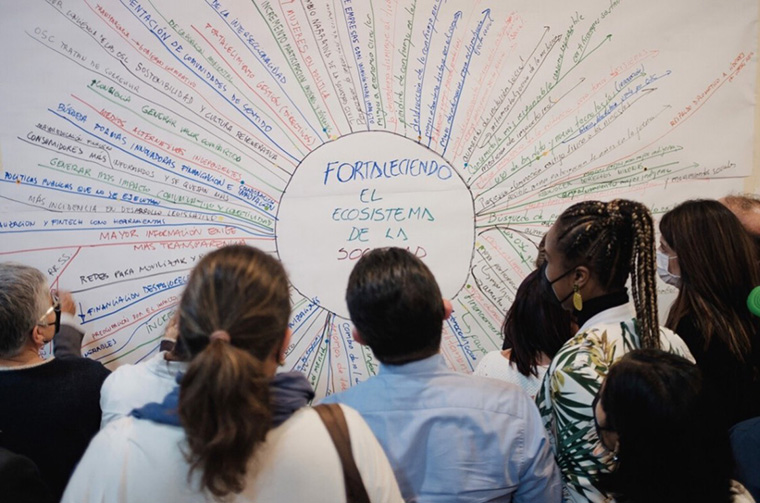
FHI 360 is supporting the Ministry of Health to build trust, counter rumors, promote safe burial practices and reduce stigma. “Community trust is as important as technical response capacity in controlling Ebola transmission,” says Bantu.

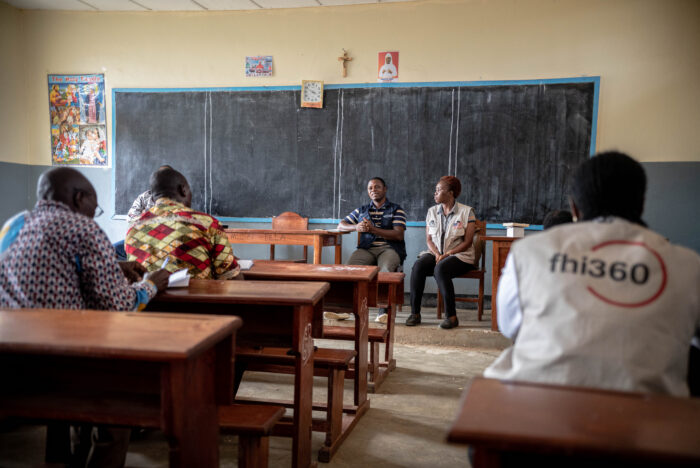
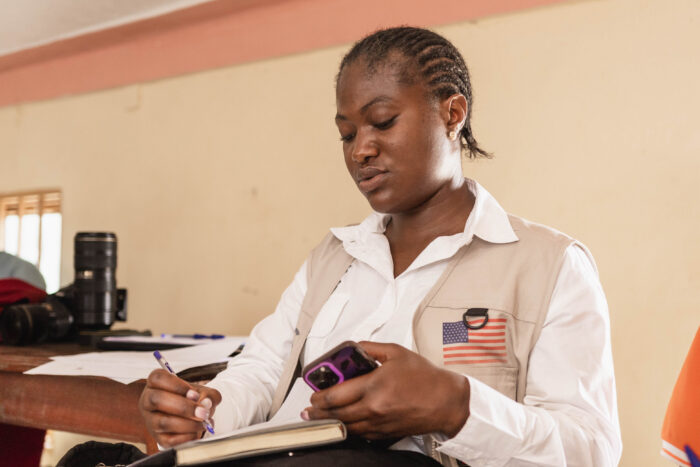
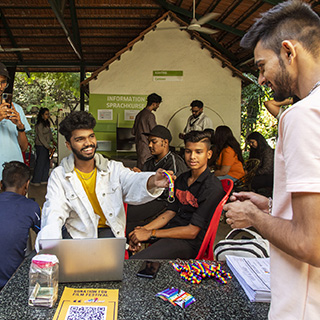
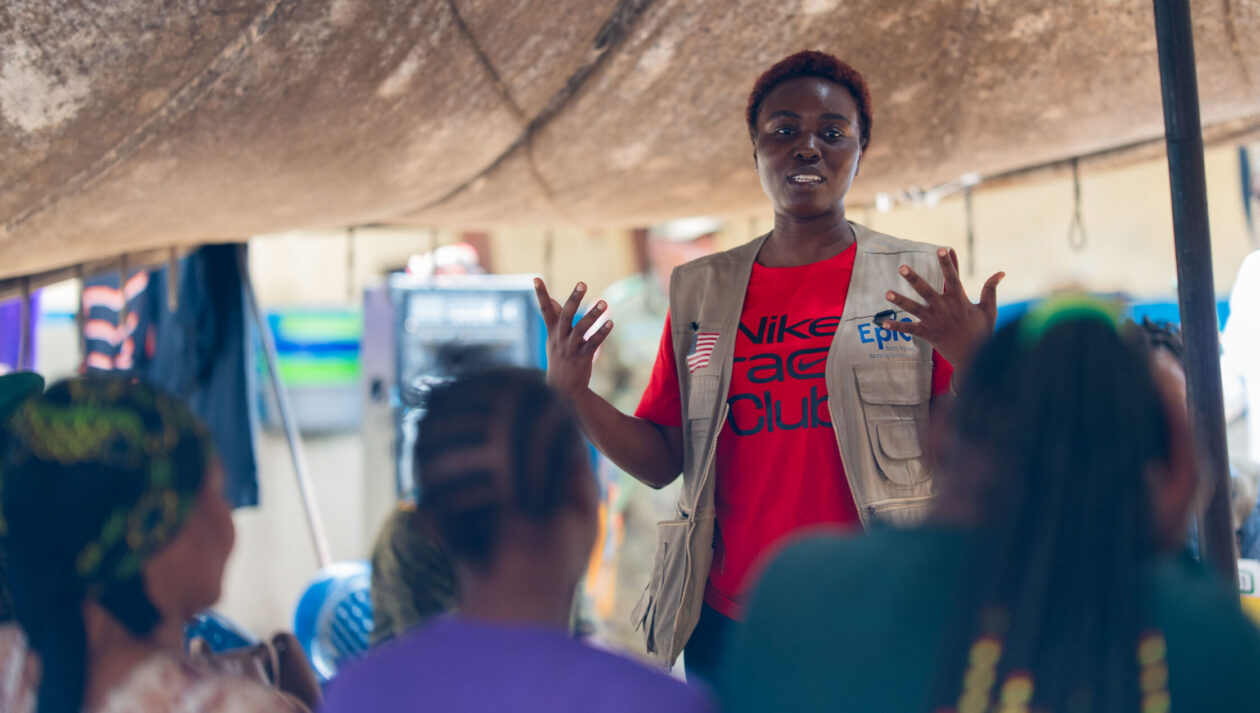
Our activities focus on sharing culturally adapted messages via local radio in French and Swahili, talk shows, public service announcements, door-to-door outreach and digital methods like SMS and social media. We’re reaching people in at-risk households, churches, schools, mining areas, camps for internally displaced people, students, and cross-border communities.
“Communities are at the heart of the response,” says community engagement officer Noëlla Kambaja. “A response built with communities is more effective, better accepted and longer lasting.”
Finding cases quickly
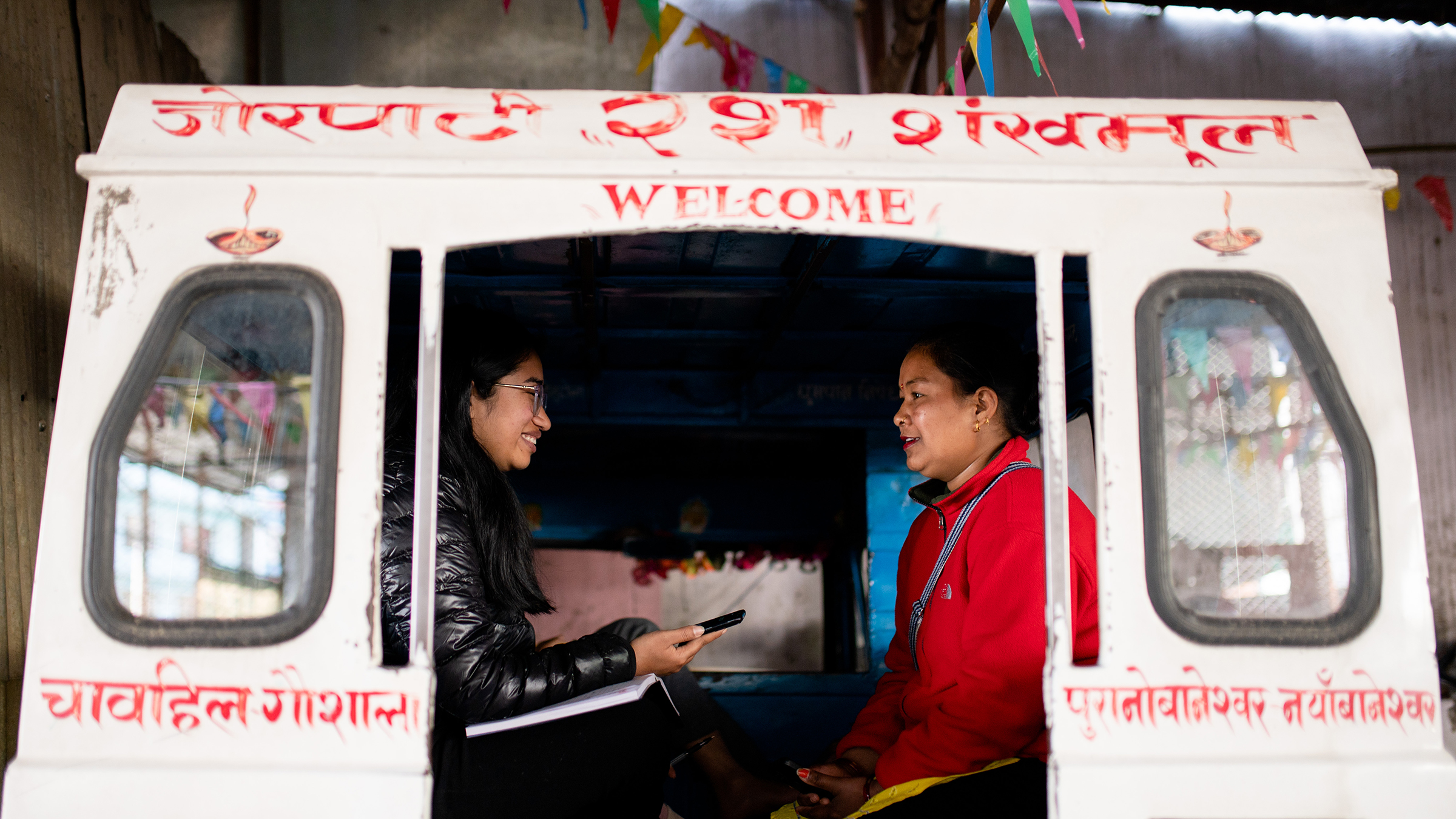
When cases of Ebola are identified quickly, actions can be taken to reduce the spread of the virus to others. FHI 360 is coordinating with the DRC Ministry of Health, provincial health divisions, and community networks to diagnose people with symptoms of Ebola, identify people they have been in contact with and notify those contacts of potential exposure. We are using geospatial analysis to map where the disease is spreading, including across national borders, and focus efforts in these areas. In addition, we are working with neighboring countries, including Kenya and Uganda, on Ebola preparedness and response.
Getting test results faster
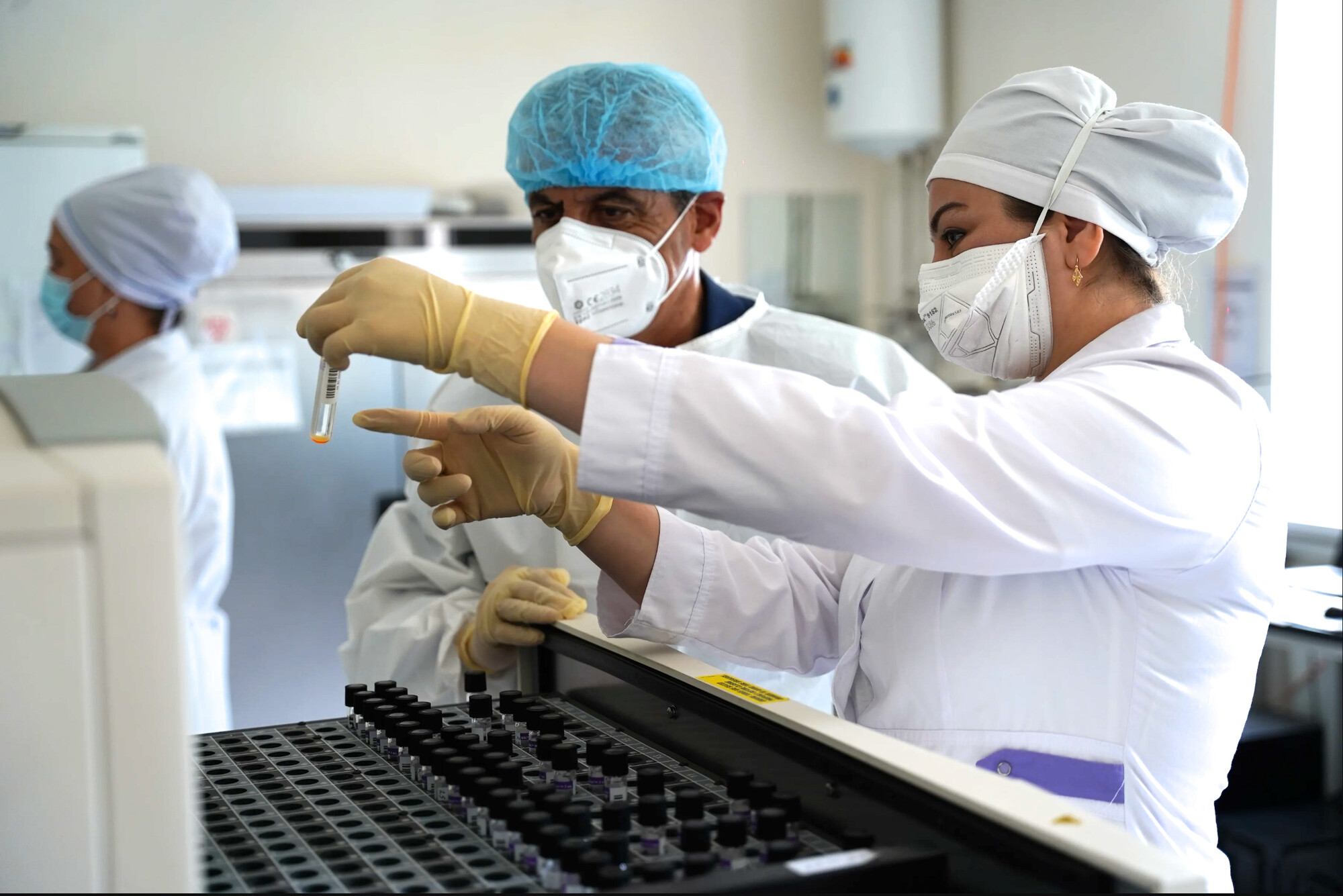
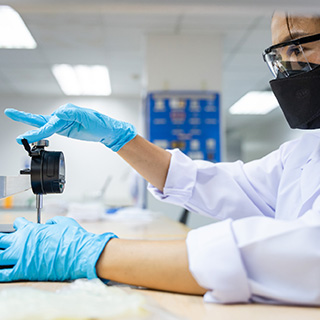
A key challenge in this outbreak has been the long distances and limited infrastructure between the communities where the outbreak is occurring and the labs with the ability to process samples and confirm whether someone has the virus. Under the leadership of the Institut National de Recherche Biomédicale, we’re using mobile and decentralized testing approaches closer to the areas with the highest transmission of Ebola, cutting out days of lag time between testing and diagnosis. We’re helping transport samples to larger, provincial and regional laboratories. And we are supplying those laboratories with equipment and training their staff in testing procedures, safety, and quality standards to produce timely, accurate test results.
“We work to ensure that every sample is transported with flawless, absolute rigor, preventing it from ever becoming a threat to the community,” says Landry Mukonkole Ngoy, a laboratory specialist for FHI 360.
Protecting frontline workers and communities
Because Ebola is transmitted through contact with bodily fluids of someone who has the virus or has just died from it, personal protective equipment for anyone in contact with Ebola patients or the deceased is essential to reducing the spread of the disease. We are providing personal protective equipment for health care, laboratory, and other frontline workers — items such as waterproof boots, nitrile gloves, fluid-resistant coveralls, heavy-duty aprons, face shields, goggles, and surgical masks.
“The work is perilous, but it is fueled by a profound awareness that we are shielding thousands of families,” says Landry.
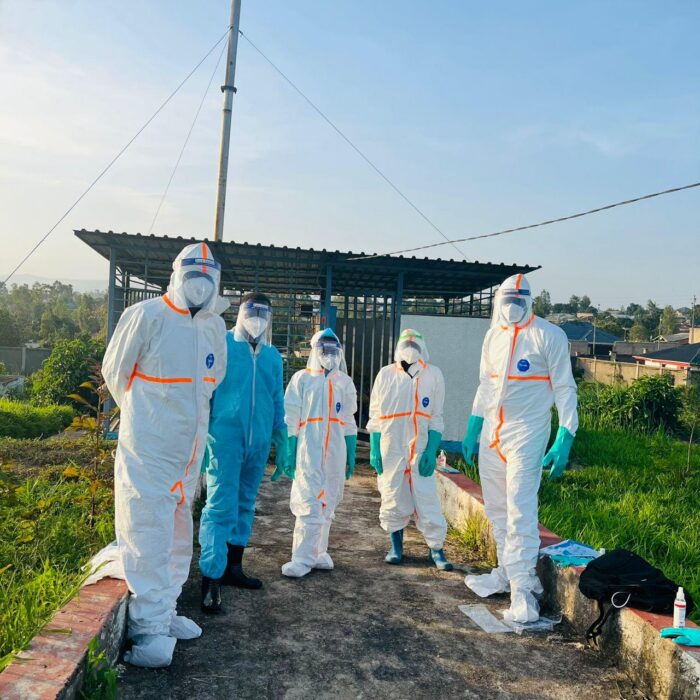
We are also reducing transmission of Ebola by using safe and dignified burials, which modify traditional burial practices to prevent disease transmission. So far, we have trained more than 80 team members on best practices for infection prevention and control during safe and dignified burials.
In addition, we are providing essential supplies for transporting and burying the deceased and disinfecting spaces and equipment used in safe and dignified burials. The supplies help burial teams honor local traditions and uphold the dignity of those who have passed, which is critical to building trust within affected communities.
Looking ahead
“This outbreak underscores the critical importance of strong community engagement, rapid multisectoral coordination, and sustained protection of frontline responders,” says Bantu. “The dedication and resilience of local health workers and response teams on the ground continue to be remarkable.”
As the response evolves, FHI 360 will continue working with the U.S. Department of State, the DRC government, local health workers and community partners to support rapid detection, safer response operations and trusted community partnership. Our collective efforts are not only saving lives in the DRC — they are preventing the spread of the virus to other communities and countries and protecting the American people.
Frequently Asked Questions
How is FHI 360 responding to the Ebola outbreak in the Democratic Republic of the Congo?
FHI 360 is supporting the government of DRC Ebola response through the STRIDES and EpiC programs, which are funded by the U.S. Department of State. The strategy includes enhanced disease surveillance, laboratory capacity strengthening, infection prevention and control (IPC), safe and dignified burials, and risk communication and community engagement.
What virus is causing the current Ebola outbreak in the DRC?
The current outbreak in the eastern Democratic Republic of the Congo is driven by the rare Bundibugyo virus, a strain of Ebola for which no specific treatment or vaccine is currently available.
Why are safe and dignified burials important in an Ebola response?
Safe and dignified burials modify traditional burial practices to protect health workers and family members from disease transmission — which is critical to curbing the spread of the Ebola virus — while respecting religious and cultural traditions.