








Article Type: Video
-
Research Roundtable: Exploring the Impact of Stigma for People with HIV in the United States
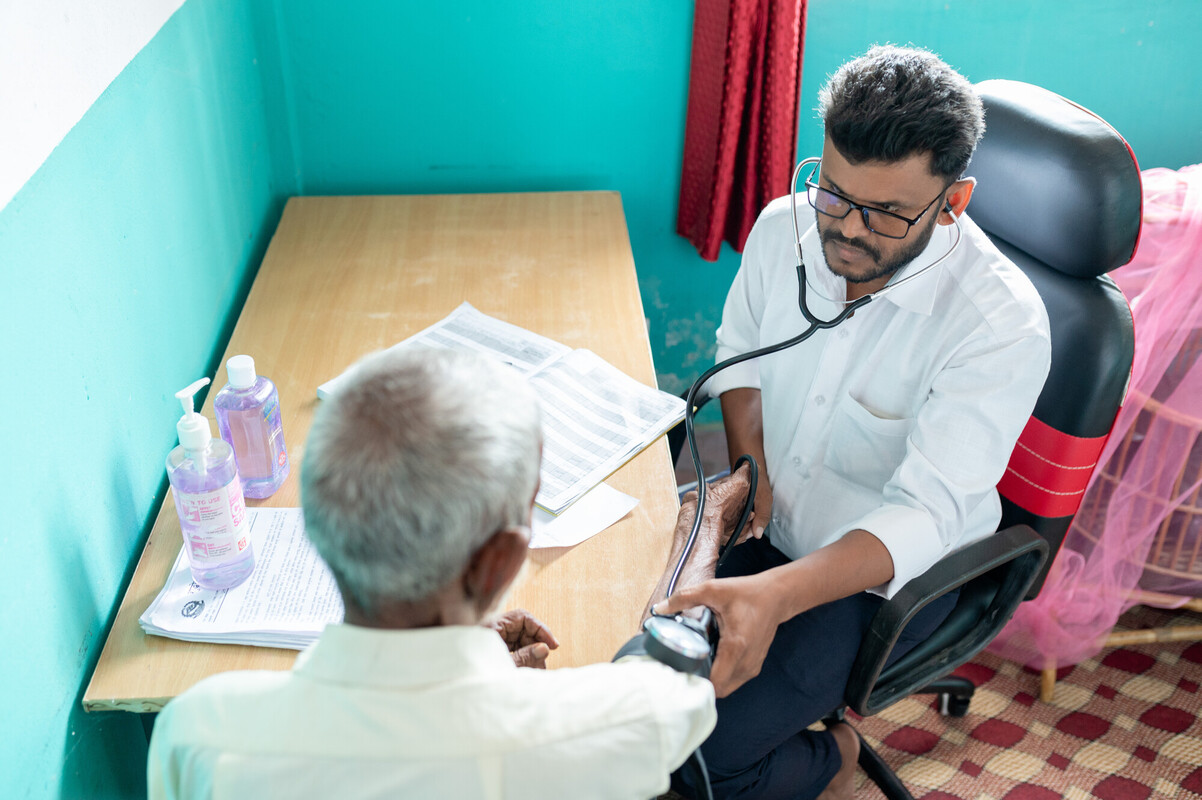
How do motivations, social ties and stigma relate to HIV care and treatment outcomes in the United States? In our Research Roundtable series, FHI 360 Principal Economist Annette Brown speaks with experts to hear about their successes and lessons learned from recently published research. In this episode, Allysha Maragh-Bass, Scientist at FHI 360, joins to…
-
Strengthen and adapt health systems to address COVID-19
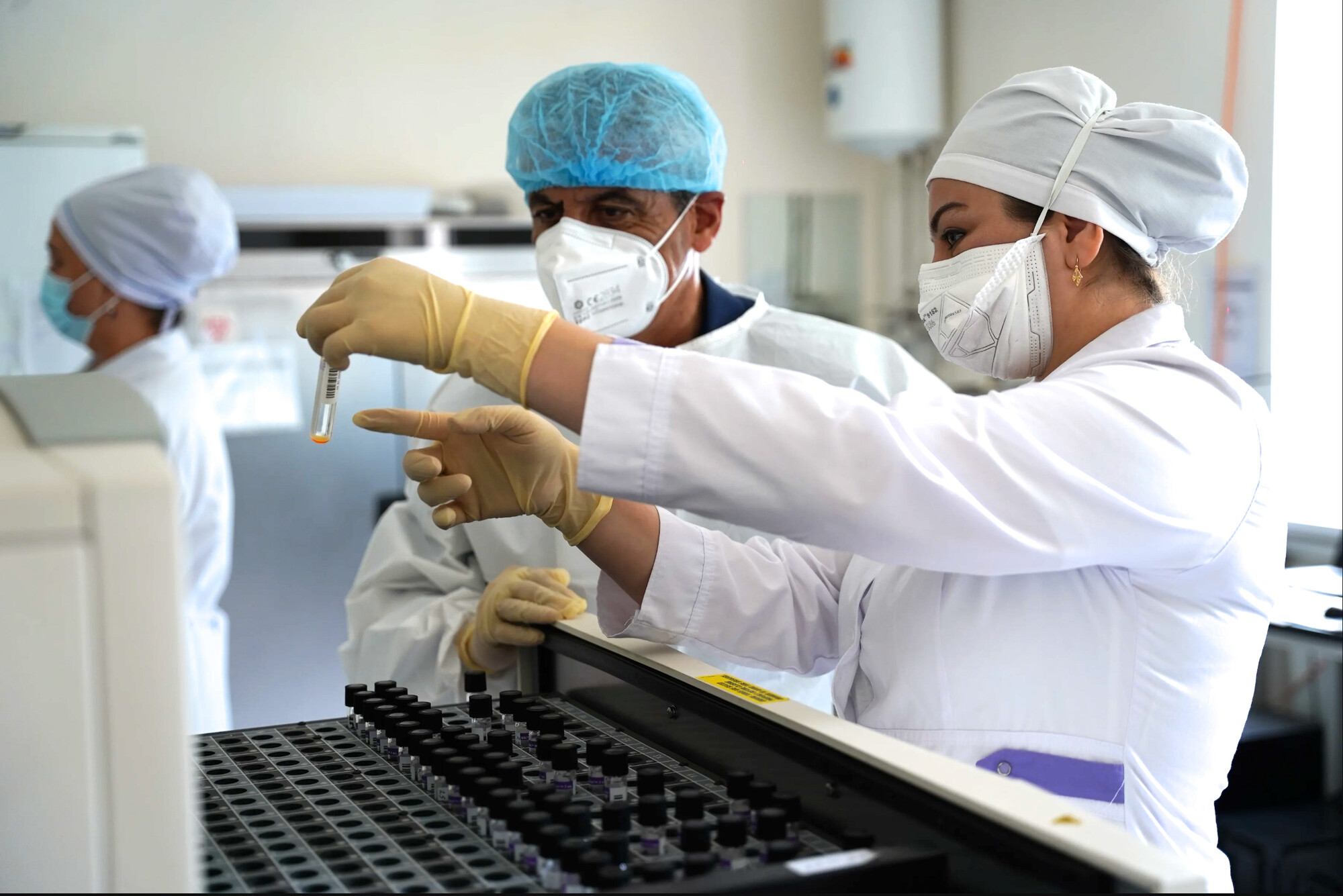
Health systems tend to be slow to react. Christian Pitter, FHI 360’s Director of Infectious Diseases and Health Systems, says we must utilize the COVID-19 epidemic and crisis to strengthen global health systems. The global health community needs to adapt the lessons and successes learned from combating other health threats, such as the fight against…
-
Research Roundtable: Injectable PrEP: A promising method for HIV prevention
HIV pre-exposure prophylaxis, or PrEP, is currently only available in the form of a daily oral pill. But, researchers are working to increase options for administering PrEP, including taking it as a long-acting injection through a drug called cabotegravir. In our Research Roundtable series, FHI 360 Principal Economist Annette Brown speaks with FHI 360 experts…
-
Research Roundtable: Comparing In-Person and Online Modes of Data Collection
Qualitative researchers use a mix of in-person and online methods to collect data. Online tools like videos, chats and message boards are relevant now more than ever. But how does the mode of collecting qualitative data impact the content and the cost? In our Research Roundtable series, FHI 360 Principal Economist Annette Brown speaks with…
-
Sparking Girls’ Interest in STEM2D Careers
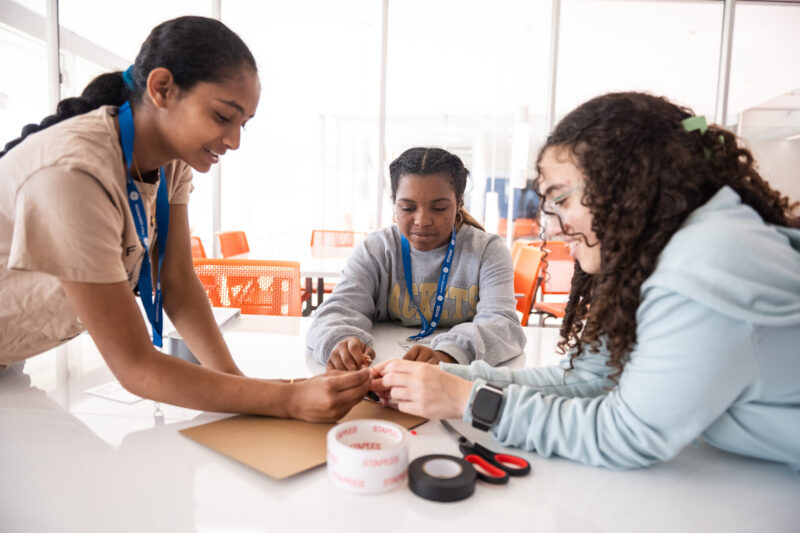
STEM careers are increasingly important in light of the COVID-19 pandemic. Learn how engaging and mentoring girls can spark interest in science, technology, engineering, mathematics, manufacturing and design (STEM²D) career paths, and see what STEM activities you can do from your home. FHI 360, in partnership with Johnson & Johnson, Smithsonian Science Education Center, JA…