Article Type: Video
-
Strengthening partnerships and education for young learners in Senegal
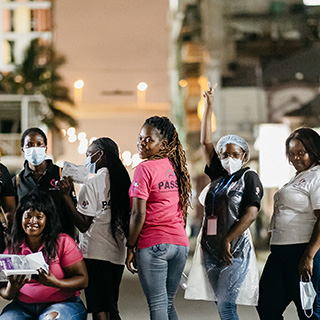
In close partnership with the National Ministry of Education, schools and communities in Senegal, FHI 360’s U.S. Agency for International Development (USAID) Passerelles team works to build gateways to high-quality, relevant education for girls and other young learners. The partnership works with “daaras” (Quranic schools), or informal schools, to formalize education and provide specialized training…
-
Oulimata’s story: Eliminating one girl’s barrier to education
Adolescent girls with disabilities are one of the most marginalized and excluded groups of learners worldwide. Through our U.S. Agency for International Development (USAID) Passerelles Senegal project, FHI 360 is addressing the specific challenges girls with disabilities, like Oulimata, face in accessing and completing their education.
-
Humanitarians of FHI 360
FHI 360’s humanitarian teams help people affected by natural disasters, conflict and other crises around the world. These team members use their extensive knowledge, expertise and skills to deliver lifesaving services to those in urgent need. In this video, they share what being a humanitarian means to them.
-
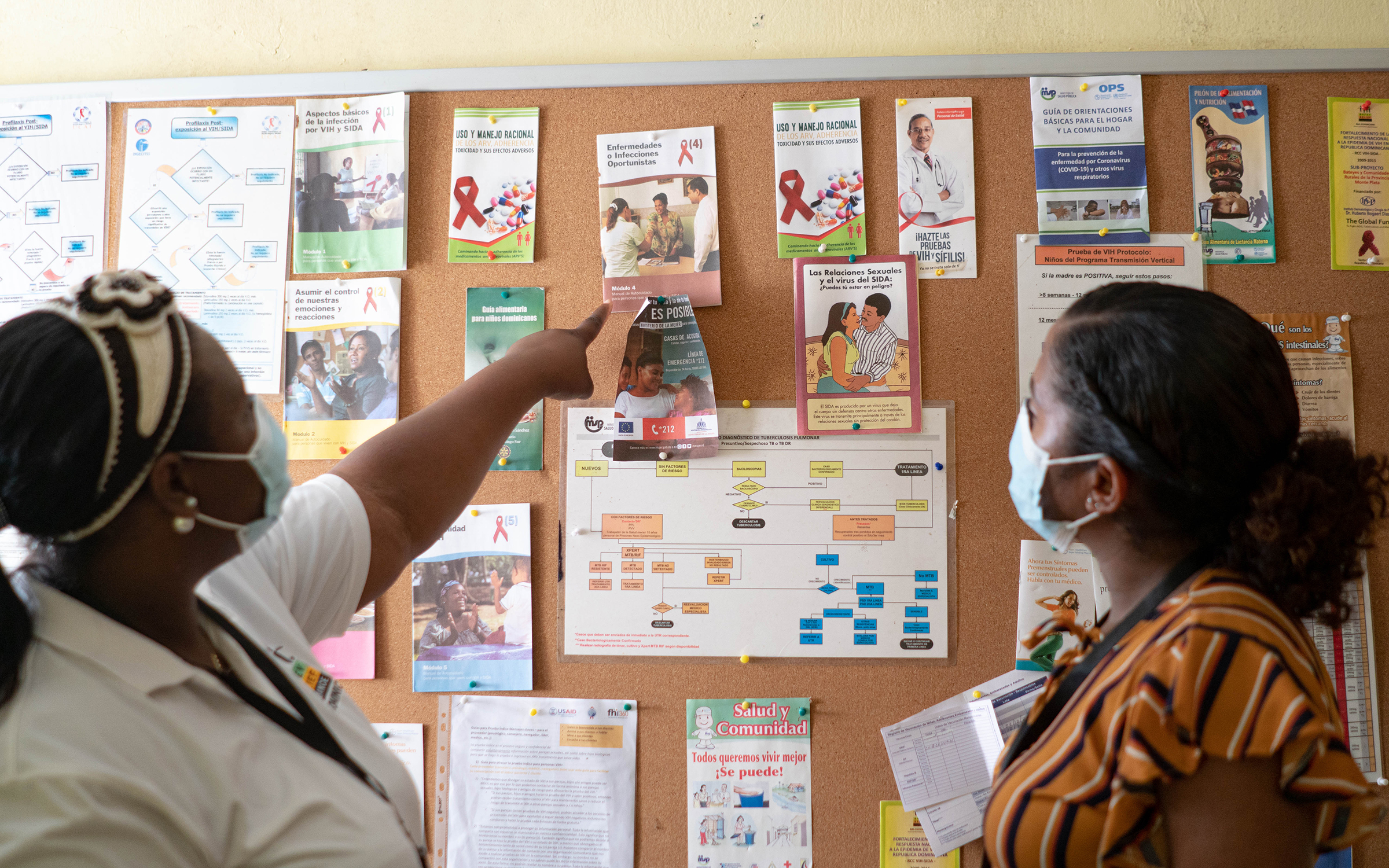
From hidden to heard: Empathy-first HIV care
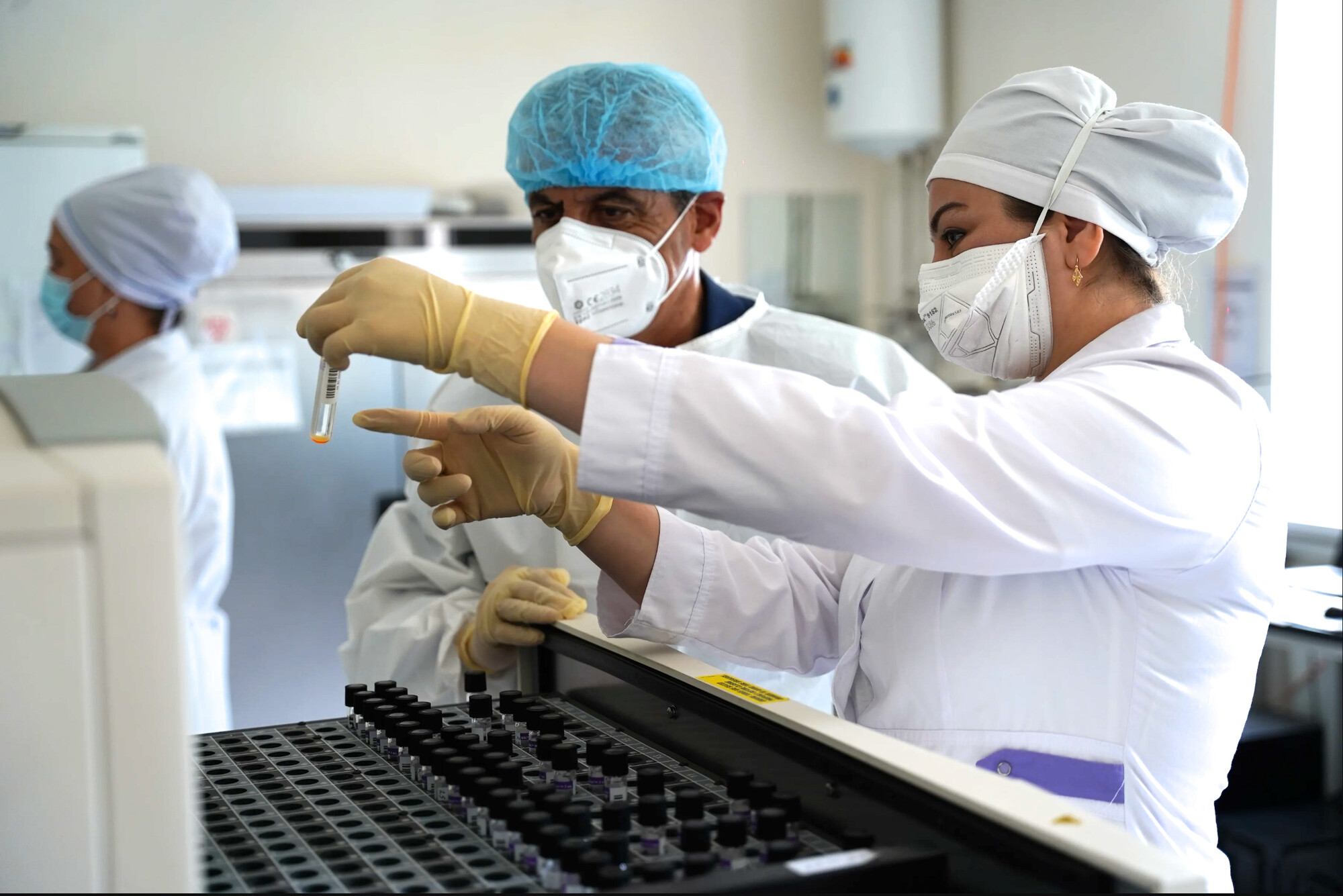
Providing equitable access to high-quality HIV care for Haitian migrants is an essential priority of FHI 360’s Dominican Republic team and our local partners.
-
FHI 360: Ready for what’s next
For more than 50 years, FHI 360 has worked to transform millions of lives in lasting ways and to create a stronger, healthier and more prosperous future for people everywhere. We apply a 360-degree approach grounded in science to help build stronger communities in the more than 60 countries where we live and work. Together,…
-
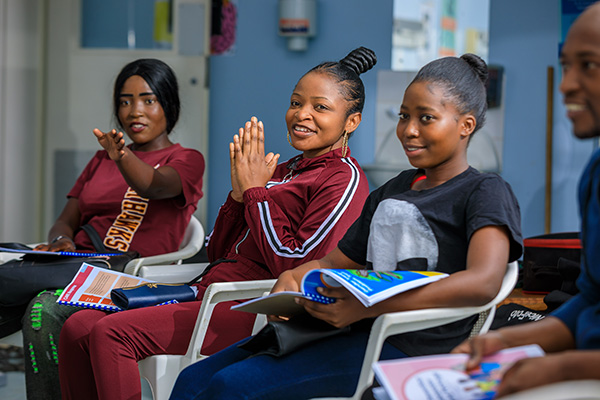
Elimu ni Jibu Project: Social-Emotional Learning Workshop
Elimu ni Jibu (education is the answer) is a USAID-funded education in emergencies project serving children and youth in Democratic Republic of the Congo. Implemented by FHI 360 with the International Rescue Committee and Viamo, the project is pilot-testing a localization process to guide and adapt psychosocial support and social-emotional learning programming. The team led…
-
SIDHAS Success Stories: Operation Triple Zero Initiative
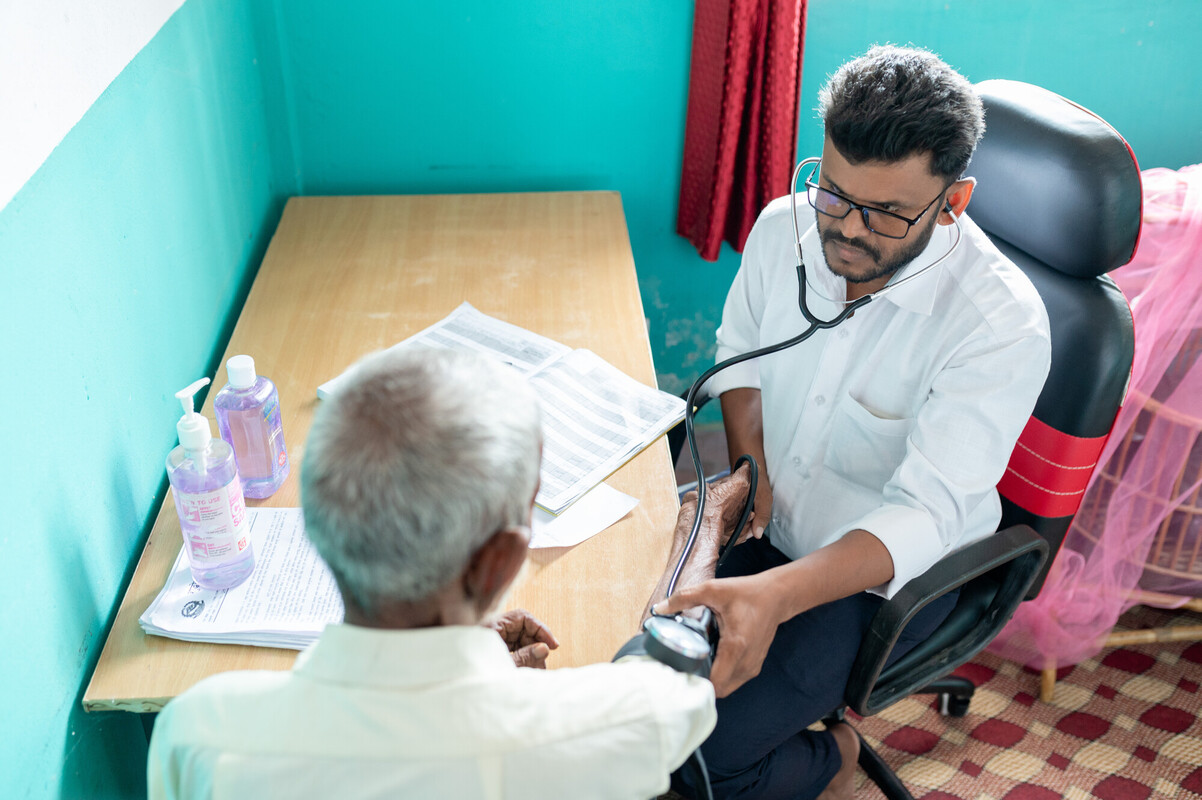
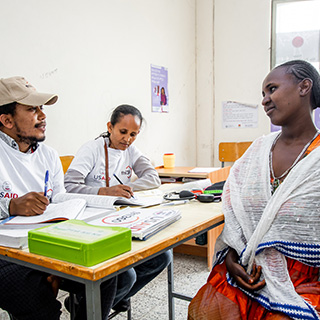
The Strengthening Integrated Delivery of HIV/AIDS Services (SIDHAS) project in Nigeria implements the Operation Triple Zero (OTZ) initiative for adolescents and young people living with HIV. “Triple zero” refers to the project’s goals: zero missed appointments, zero missed antiretroviral drugs and zero viral load. The video includes perspectives of a health worker and a young…
-
Family planning at COP26
Family planning is an important strategy in solving the climate crisis, but it has not been a popular discussion point at COP26. Theresa Hoke, director of health services research at FHI 360, speaks to Dr. Doreen Othero of the African Institute for Development Policy. She is also the project director for the USAID-funded BUILD Project,…
-
Why does climate finance matter?
Steve Brady from FHI 360’s London office is at COP26 in Glasgow and shares what he’s hearing — and learning — about one of the conference’s biggest and hottest topics: climate financing. He explains why financing solutions to climate change is essential and why the imbalance in funding these solutions must be addressed. FHI 360…
-
Vietnam’s Dr. Nguyen Thi Lien Huong calls for climate-smart health focus at COP26
The health sector has an important role to play in both mitigating climate change through the adoption of low-carbon strategies and building resilience to climate impact. During the November 3 COP26 side event, “No pot of gold for community adaptation and health system resilience,” the director general of Vietnam’s Health Environmental Management Agency, Dr. Nguyen…