
- Home
- From the CEO
-
- Projects
- Strengthening health systems starts with skilled providers
- The economic case for mental health support in Ukraine
- Trusted voices online are connecting people to HIV services
- Making long-acting tuberculosis treatment easier for patients
- From high school to hired
- A chatbot that understands Malagasy is changing how teachers learn
- Financials
- Funders
- Global Reach
 Previous project
Health
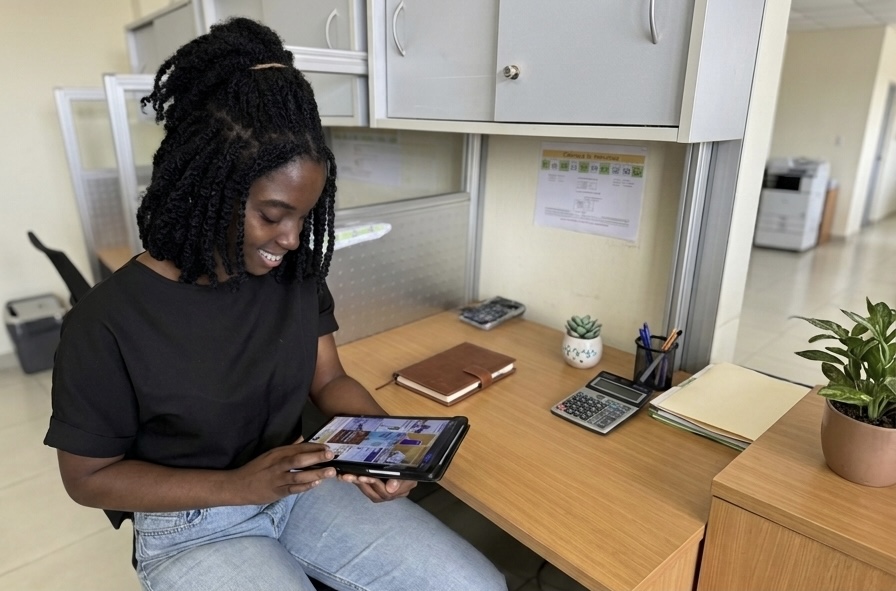
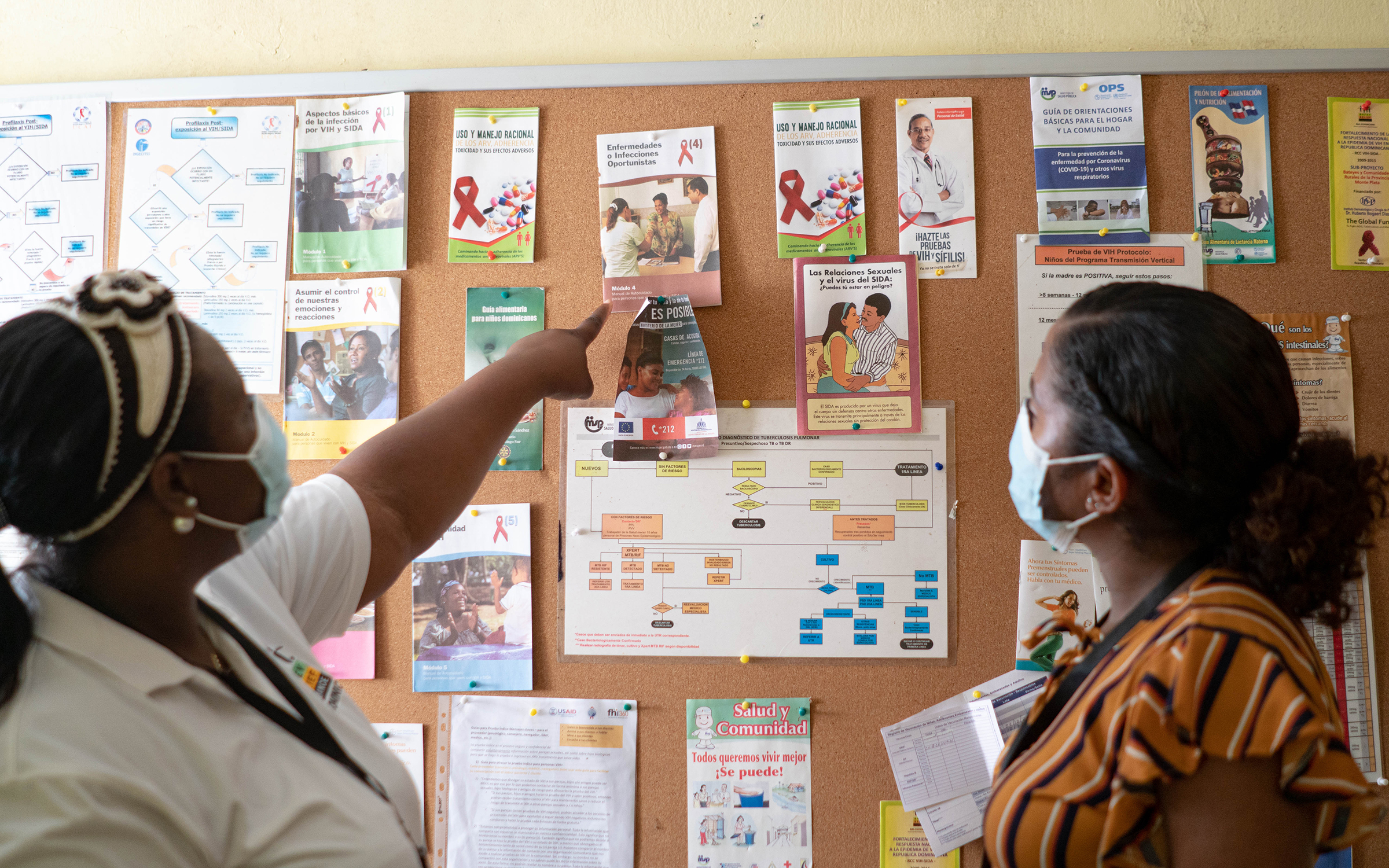
When I talk to someone who is afraid they might be living with HIV, they tell me right away, and I can immediately coordinate the support we’re providing. You can see a positive impact from the moment they enter the program and begin treatment.
HIV stigma can keep people from confiding in friends or family about their health concerns — or from getting tested at all.
That’s why the U.S. Department of State, as part of its commitment under the America First Global Health Strategy, funds programs that strengthen health systems and advance U.S. health security.
One program is the FHI 360-implemented Enhanced HIV Services for Epidemic Control (EHSEC) project, which supports bilingual Spanish-Creole peer cyber-educators in the Dominican Republic to reach at-risk men and women on social media, providing a stigma-free, informed resource — and a connection to HIV services.
“Many people don’t even know where to go to get tested or don’t feel comfortable talking about it with someone around them for fear of what they might say,” says Tritia. “I find it easier for them to talk to me through social media, since they don’t know me personally.”
Cyber-educators like Tritia also recruit community members with large online followings to serve as virtual peer recruiters who connect high-risk people in their networks to HIV testing services. FHI 360/EHSEC’s team conducts mapping exercises to understand the virtual spaces visited by these communities, which inform conversation guides and training sessions with cyber-educators.
Result
In 2025 — as a result of the cyber-educators’ work connecting those at high risk to testing and follow-up care — EHSEC reached 6% HIV case finding; 99% of those who tested positive were initiated on HIV treatment. These results reflect U.S. government support that is delivering measurable returns for American health security while helping the Dominican Republic build toward self-reliance in its HIV response.