









- Home
- From the CEO
-
- Projects
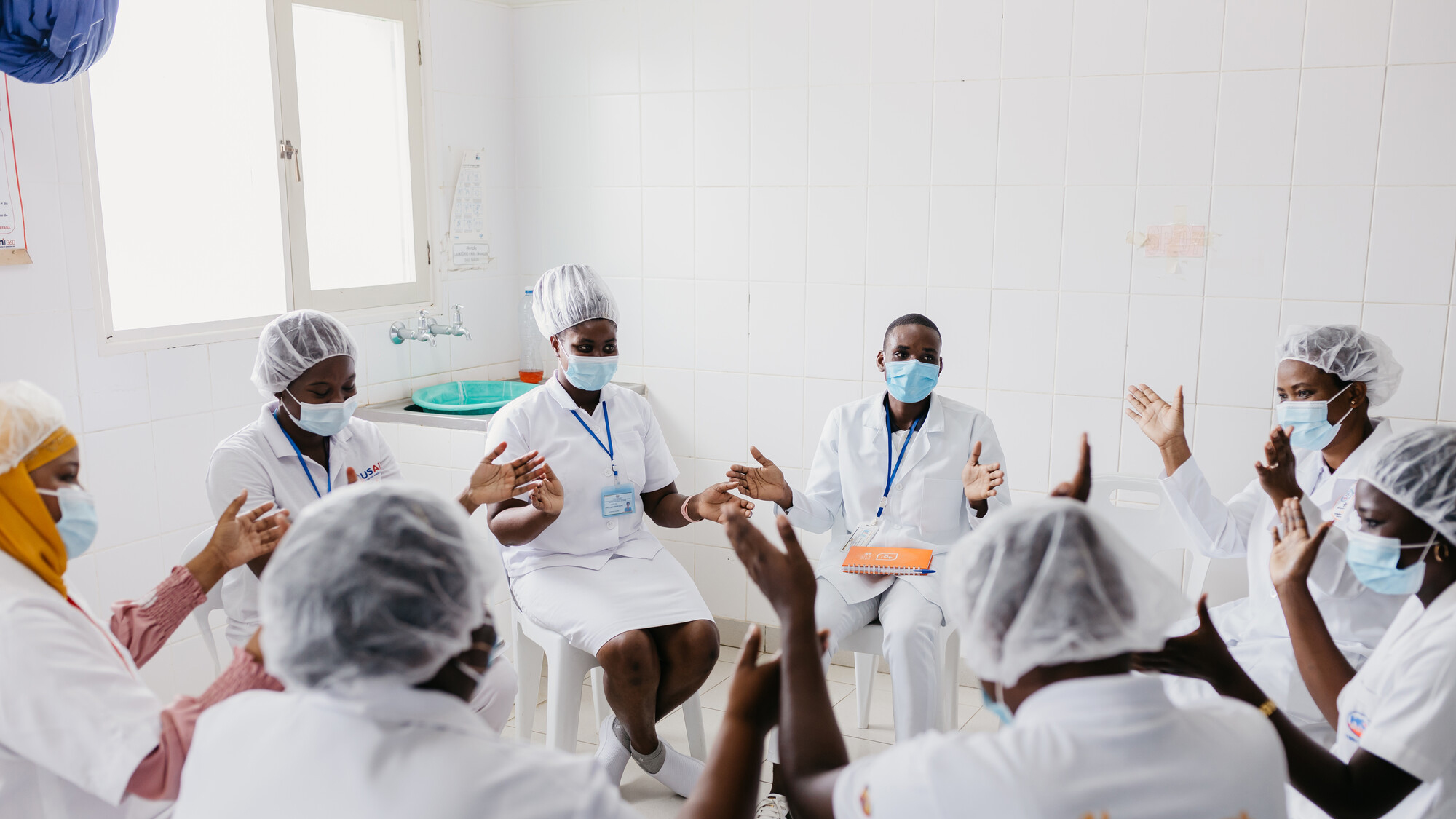
- Strengthening health systems starts with skilled providers
- The economic case for mental health support in Ukraine
- Trusted voices online are connecting people to HIV services
- Making long-acting tuberculosis treatment easier for patients
- From high school to hired
- A chatbot that understands Malagasy is changing how teachers learn
- Financials
- Funders
- Global Reach
 Previous project

The war in Ukraine has created a mental health crisis, increasing the prevalence of post-traumatic stress disorder, depression and anxiety.
Mental health disorders can have profound effects on a person’s quality of life. And like a person’s physical health, mental health affects human capital — the economic value of skills, knowledge, experience and personal attributes that drive productivity.
Czech nonprofit People in Need (PIN) supports communities in Ukraine with mental health and psychosocial support services (MHPSS), such as a 24/7 hotline and rapid response teams, and community-based MHPSS approaches similar to those delivered by FHI 360. PIN commissioned FHI 360 to conduct a cost-benefit analysis quantifying the economic contributions of its services, assessing factors including reduced absenteeism, avoided long-term health costs, and suicide prevention.
One key finding: For every dollar invested in community-based psychosocial support services, the purely economic benefits are between $15 and $20.
The study shows that investing in mental health programs makes economic sense, improving labor productivity and filling labor gaps in critical sectors to support economic recovery.
“By prioritizing mental health funding and intervention strategies, policymakers and organizations can foster long-term socioeconomic resilience in crisis settings and beyond,” write the study’s authors in the research’s summary.
Result
For every dollar invested in community-based psychosocial support services, the purely economic benefits are between $15 and $20.