Resources
Search
Filters
-
Research paper or report
Results from the HIV/STI Integrated Biological and Behavior Surveillance in Vietnam — Round II 2009
This report examines the results from the HIV/STI Integrated Biological and Behavior Surveillance (IBBS) in Vietnam, conducted from 2009–2011. Under the direction of the Vietnam Authority for AIDS Control, the National Institute of Hygiene and Epidemiology implemented the IBBS Round II among injecting drug users, female sex workers and men who have sex with men […]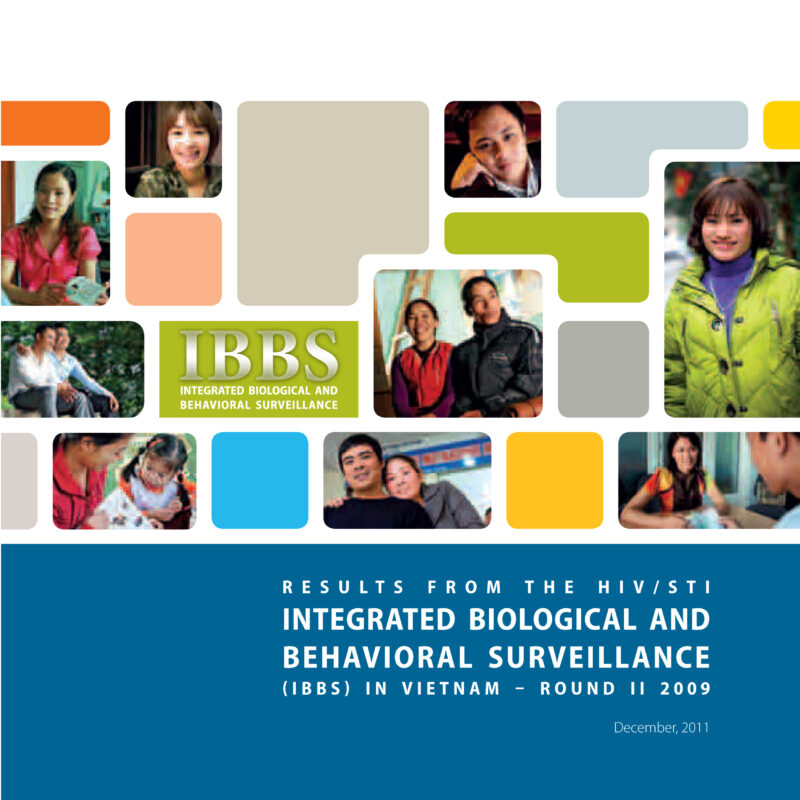
-
Research paper or report
Vietnam HIV/AIDS Estimates and Projections 2011–2015 (PDF in Vietnamese)
This publication aims to estimate the future impact of the HIV epidemic in Vietnam. The report, intended to inform decision making and program planning, follows HIV/AIDS estimates and projections completed in 2003 and 2007, as well as a third round of estimates and projections conducted 2010–2011.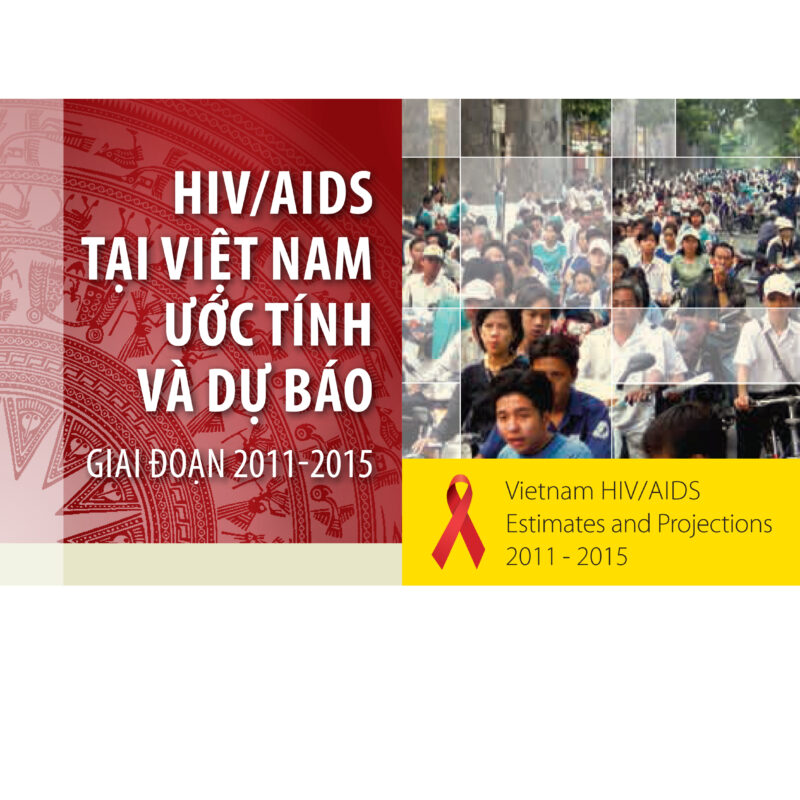
-
Research paper or report
Enrolment and Retention in HIV Care and Treatment Services in Vietnam
This report examines the results of a qualitative study conducted in the Hai Phong and Can Tho provinces in Vietnam, which looked at the reasons some people living with HIV do not access care and treatment and why others stop using these services. The purpose of the report is to tailor existing approaches and inform […]
-
Research paper or report
Demand-Side Barriers to Girls’ Secondary Education in Madhya Pradesh, India
The final report, Demand-Side Barriers to Girls’ Secondary Education in Madhya Pradesh, India, examines the findings of FHI 360’s Madhya Pradesh Girls’ Secondary Education Study. The multi-district study, funded by the U.K.’s Department for International Development (DFID), assessed the demand- and supply-side factors that impede access to secondary education for socially disadvantaged girls in Madhya […]
-
Case study or success story
20 Years of USAID Support to the National HIV and AIDS Response Shows Remarkable Progress

-
Other
FHI 360 Annual Report 2012
-
Case study or success story
Achieving Lasting Change in HIV Prevention Programming in Namibia: Collaboration and Sustained SBCC Capacity Strengthening
December 2012 — In mid-2008, the Communication for Change (C-Change) project in Namibia undertook an ambitious program to improve HIV prevention communication programming throughout the country. A rapid assessment was conducted with social and behavior change communication (SBCC) programs on the national and regional levels to determine how they could be strengthened to achieve greater behavioral […]
-
Fact sheet
Technical Support for HIV/AIDS Prevention, Care and Treatment Project: China End of Project Report
December 2012 — This report describes the activities, achievements and lessons learned from the Technical Support for HIV/AIDS Prevention, Care and Treatment Project in China. This five-year project was funded by the U.S. Agency for International Development and implemented in four countries: China, Lao People’s Democratic Republic, Papua New Guinea and Thailand.
-
Fact sheet
Information sheet
Now called the Postsecondary Success Collaborative, the initiative is strengthening and building local partnerships to help communities identify and provide the tools that all students need to succeed in college. More schools and partners are getting involved and the work is poised to expand to additional communities.This information sheet shares key project indicators and objectives.
-
Fact sheet
Postsecondary Success Collaborative Fast Facts
These fast facts discuss how the Postsecondary Success Collaborative is doing its part to make sure the nation reaches its economic and educational goals by helping more students from low-income communities, particularly first generation college students and students of color, enroll in and complete college.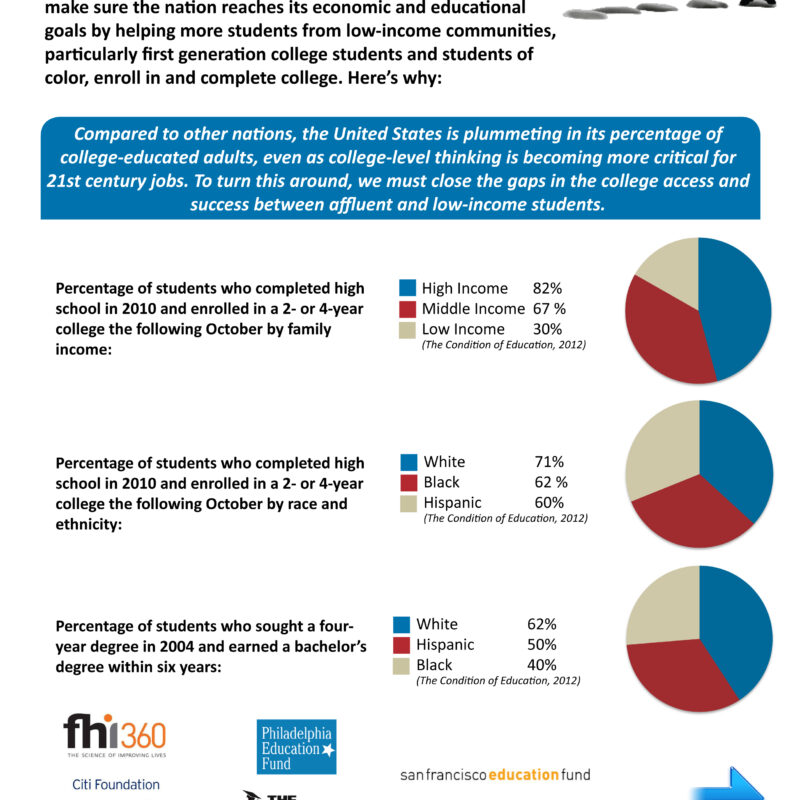
Join our team
FHI 360 is an inclusive and innovative community of experts in more than 60 countries around the world, united by a shared goal: to open opportunities for people everywhere so they can lead full and healthy lives. Join us today.
Become a partner
We are committed to building equitable, collaborative relationships with governments, local communities, academic institutions, foundations and others working to open pathways to lasting change.