Resources
Search
Filters
-
Guide, manual or tool
Monitoring, Evaluation and Learning During COVID-19 (webinar)
April 2020 — FHI 360 is committed to sharing knowledge about how to adjust monitoring evaluation and learning (MEL) activities during the COVID-19 pandemic. This webinar highlights guidance principles, questions to consider when revising activities and targets, and best practices for data collection for global education projects, including a decision tree and technology options.
-
Guide, manual or tool
Meeting Targets and Maintaining Epidemic Control (EpiC): Briefs
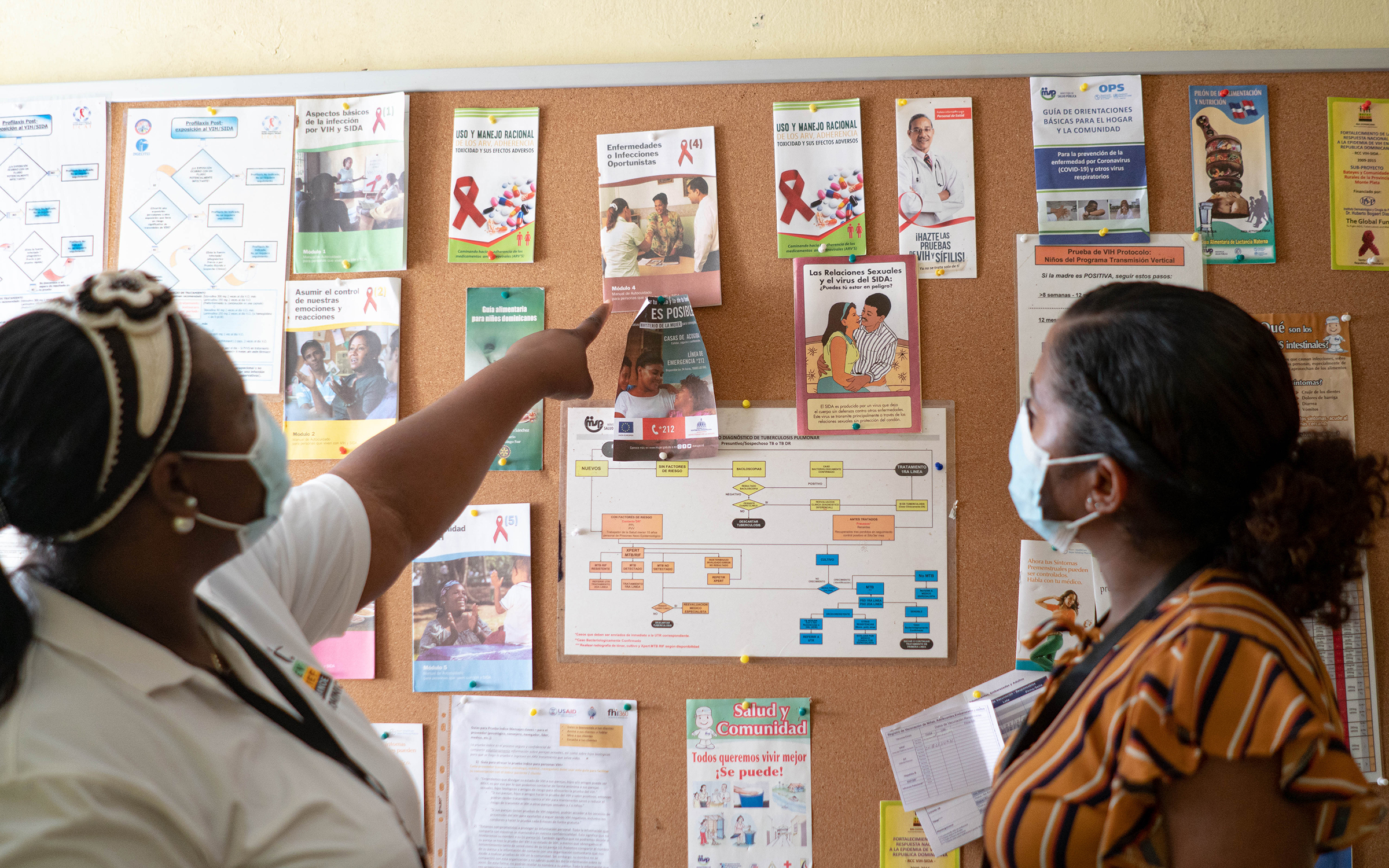
The Meeting Targets and Maintaining Epidemic Control (EpiC) project provides strategic technical assistance and direct service delivery to achieve HIV epidemic control and promote self-reliant management of national HIV programs by improving HIV case finding, prevention, treatment programming and viral load suppression. These briefs offer up-to-date knowledge and tools from the EpiC project that can […]
-
Guide, manual or tool
Meeting Targets and Maintaining Epidemic Control (EpiC): Trainings, Tools and Guides
The Meeting Targets and Maintaining Epidemic Control (EpiC) project provides strategic technical assistance and direct service delivery to achieve HIV epidemic control and promote self-reliant management of national HIV programs by improving HIV case finding, prevention, treatment programming and viral load suppression. These materials offer up-to-date knowledge and tools from the EpiC project that can […]
-
Guide, manual or tool
SMART Survey Report
November 2019 — FHI 360 conducted the SMART survey in the Bama (Banki), Damboa, Dikwa and Ngala local government areas (LGAs) in Borno state, northeast Nigeria, to assess baseline information on the nutritional status of children 6 to 59 months of age. These LGAs are affected by a prolonged humanitarian crisis. The survey, which is […]
-
Guide, manual or tool
Total Quality Leadership and Accountability (fact sheet)
November 2019 — FHI 360’s customized approach to delivering impact, Total Quality Leadership and Accountability (TQLA), is designed to strengthen the capacity of implementers and providers at all levels to use data to plan, adopt local solutions to address weak spots and enforce accountability to improve program results. This fact sheet describes this approach and […]
-
Research paper or report
Final Report: Access to Contraceptive Implant Removal in Ghana
January 2019 — Access to implant removal services is key for the success of contraceptive implant programs and, more importantly, for informed choice in contraceptive use. This report summarizes results from a mixed-methods study that included a quantitative survey with implant users and qualitative interviews with users and providers to explore access to and experiences […]
-
Research paper or report
KNOW TB Newsletter
2019 — The KNOW TB newsletter presents the latest data on and approaches to tuberculosis (TB) case notification, treatment coverage and treatment success in the Philippines. Each issue features information to accelerate the government’s fight against a high national and regional TB burden. Data is generated through the Integrated TB Information System (ITIS). June 2019. […]
-
Case study or success story
Changing gender norms and building the resilience of adolescent girls and young women in the City of Johannesburg, South Africa
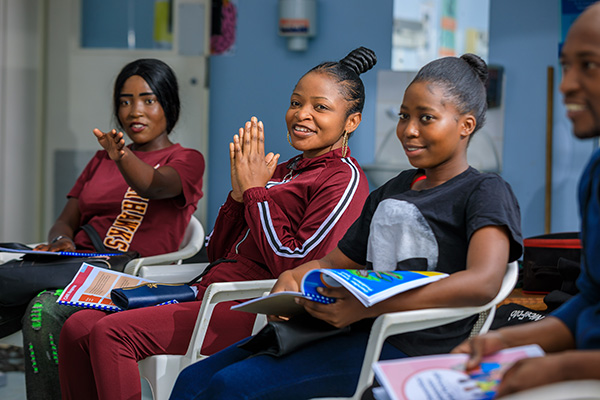
This resource details the success stories of adolescents and young women who participated in an evidence-based learning approach from the DREAMS initiative that took them through a series of topics.
-
Fact sheet
CDS support to DREAMS implementation in South Africa
This fact sheet details the core activities completed during the implementation of DREAMS (Determined, Resilient, Empowered, AIDS-free, Mentored, Safe) in five priority areas of South Africa.
-
Guide, manual or tool
College and Career Readiness: A Guide for Navigators
March 2019 — This web-based guide highlights what navigators — teachers, counselors, advisors, youth workers or mentors — can do to nurture the critical connections young people must make between college and career readiness and identifies action steps for young people to achieve their goals. The guide is divided into sections that correspond to the […]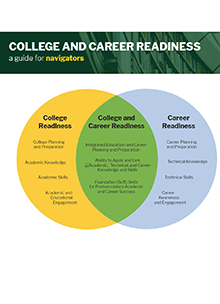
Join our team
FHI 360 is an inclusive and innovative community of experts in more than 60 countries around the world, united by a shared goal: to open opportunities for people everywhere so they can lead full and healthy lives. Join us today.
Become a partner
We are committed to building equitable, collaborative relationships with governments, local communities, academic institutions, foundations and others working to open pathways to lasting change.