







Skip to content
FHI 360
  • Languages
  • Low bandwidth
  • High bandwidth
  • Search
  • Who we are
        • Who we are
          • About us
          • Leadership
          • Ethics and safeguarding
          • Impact and financial reports
          • Contact us
        • About us

          Impact and financial reports

  • What we do
        • What we do
          • Economic opportunity
          • Health


        • How we do it
          • Research in action
          • Humanitarian response
          • Digital innovation and AI
        • Explore our expertise
        • Economic opportunity

          Health

  • Where we work
        • Where we work
          • Asia Pacific
          • Central Africa
          • East Africa
          • West Africa
          • Southern Africa
          • Middle East and North Africa
          • Europe and Central Asia
          • Latin America and the Caribbean
          • United States
        • Around the world

          In the United States

  • Work with us
        • Work with us
          • Join our team
          • Local partners
          • Government and multilateral funders
          • Foundations and corporations
          • Academic and research partners
          • Small businesses and vendors
          • CEO position specification
        • Join our team

          Local partners

          Government and multilateral funders

          Foundations and corporations

          Academic and research partners

          Small businesses and vendors

  • News
        • News
          • Newsroom
        • Get the latest news
        • Newsroom

  • Stories
        • Stories & blog
          • Stories
          • Videos (YouTube)
          • Blog
        • Explore our storytelling
        • Our storytelling

          Blog

  • Resources
        • Resources
          • Resource library
        • Resource library

Home | Resources | A Mixed-Methods Study of Factors Associated with Implanon Removal in Ethiopia: Final Report
June 6, 2017

A Mixed-Methods Study of Factors Associated with Implanon Removal in Ethiopia: Final Report

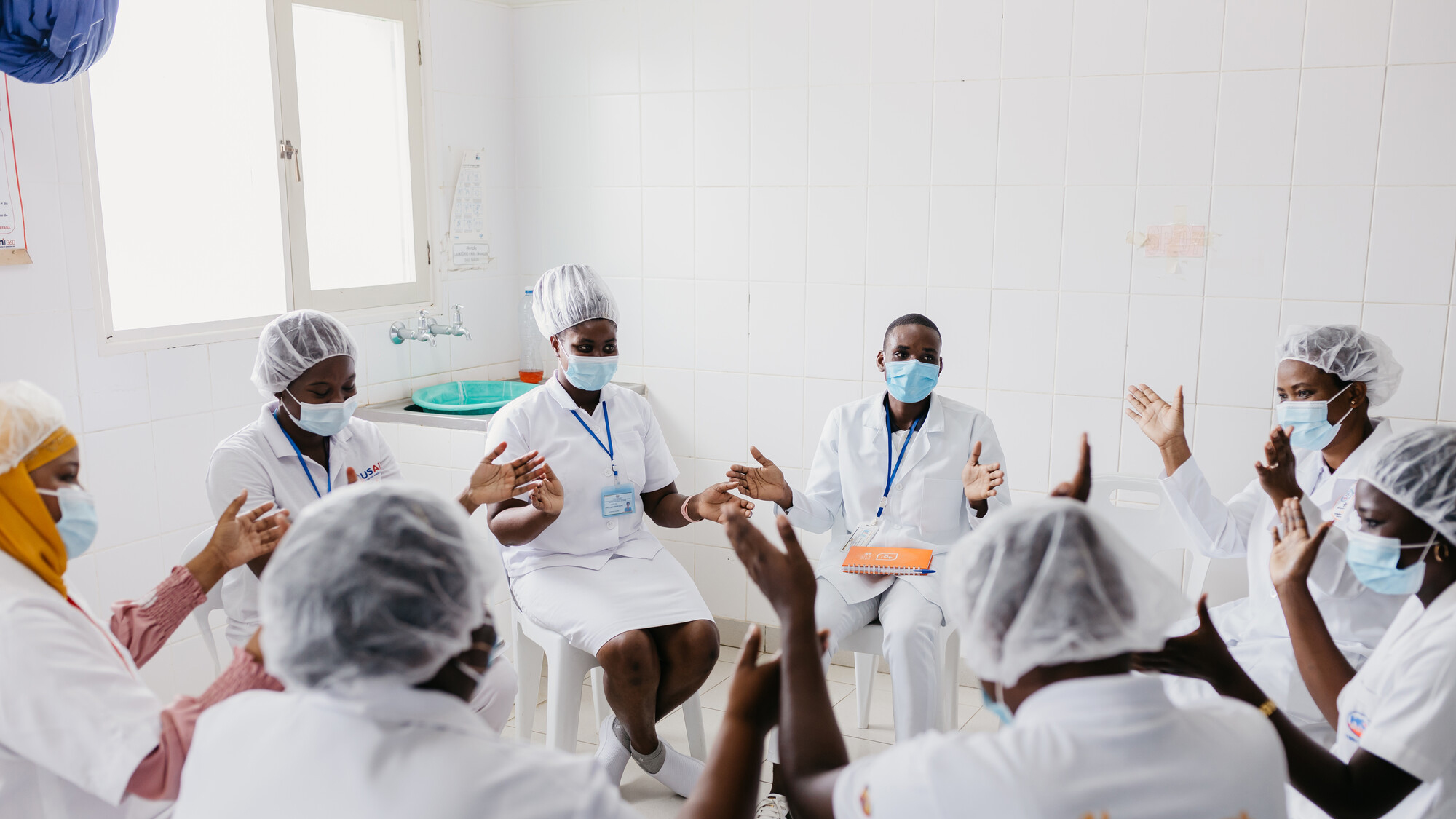
March 2017 — FHI 360’s Program Research for Strengthening Services (PROGRESS) project in Ethiopia and Ethiopia’s Federal Ministry of Health conducted a study to assess whether women who obtained Implanon, a hormonal contraceptive implant, experienced barriers to having them removed. Researchers developed recommendations for improving service delivery and alleviating identified barriers to implant removal.

Implanon and Other Family Planning Methods Uptake in a Sample of Focus Woredas

May 2012 — FHI 360’s Program Research for Strengthening Services (PROGRESS) project evaluated the uptake of Implanon and other family planning methods in a sample of woredas in Ethiopia where health extension workers had been trained on Implanon insertion. Based on service delivery statistics, this report shows that the health extension workers played an important role in expanding access to implants at the community level. However, because nearly all long-acting method users chose Implanon over other long-acting methods, development of strategies to improve uptake of other methods are needed.

Implanon Insertion Training Evaluation Report

May 2012 — This report describes an evaluation by FHI 360, through the Program Research for Strengthening Services (PROGRESS) project, of a training to teach health extension workers in Ethiopia how to insert the one-rod implant Implanon. The training was conducted by the Integrated Family Health Program (IFHP) and the Ethiopian Public Health Association (EPHA) as part of the Federal Ministry of Health’s effort to scale up the provision of Implanon in Ethiopia.

Documents / Downloads

  • Implanon Insertion Training Evaluation Report
  • A Mixed-Methods Study of Factors Associated with Implanon Removal in Ethiopia: Final Report
  • Implanon and Other Family Planning Methods Uptake in a Sample of Focus Woredas (PDF, 604 KB)
Share resource
Back to top

On this page

FHI 360

We are a nonprofit organization that mobilizes research, resources and relationships so that people everywhere can access the opportunities they need to lead full, healthy lives.

  • Partner with us
  • Business opportunities
  • Contract mechanisms
  • Small business
  • Our FHI 360 network
  • Events
  • Employee access
  • Contact us
  • Press
  • Privacy notice
  • Ethics and safeguarding

FHI 360 Headquarters
359 Blackwell Street, Suite 200
Durham, NC 27701 USA
1.919.544.7040

Washington, D.C., Office
2101 L St NW, Suite 700
Washington, DC 20037 USA
1.202.884.8000

Anti-trafficking statement

Connect

Sign up for our mailing list and receive the latest updates from FHI 360 straight to your inbox!

  • LinkedIn
  • Facebook
  • X
  • Youtube
  • Instagram

FHI 360 is the registered trade name of Family Health International.

©2026 FHI 360

We are using cookies to give you the best experience on our website.

You can find out more about which cookies we are using or switch them off in .

FHI 360
Powered by  GDPR Cookie Compliance
Privacy overview

This website uses cookies so that we can provide you with the best user experience possible. Cookie information is stored in your browser and performs functions such as recognising you when you return to our website and helping our team to understand which sections of the website you find most interesting and useful.

Essential cookies

Essential cookies should be enabled at all times so that we can save your preferences for cookie settings. However, they can be enabled or disabled using the button below.

Non-essential cookies

This website uses Google Analytics to collect anonymous information such as the number of visitors to the site, and the most popular pages.

Keeping this cookie enabled helps us to improve our website.