

Projects
Search
Filters
-
Project
USAID Kyrgyz Republic Active Communities
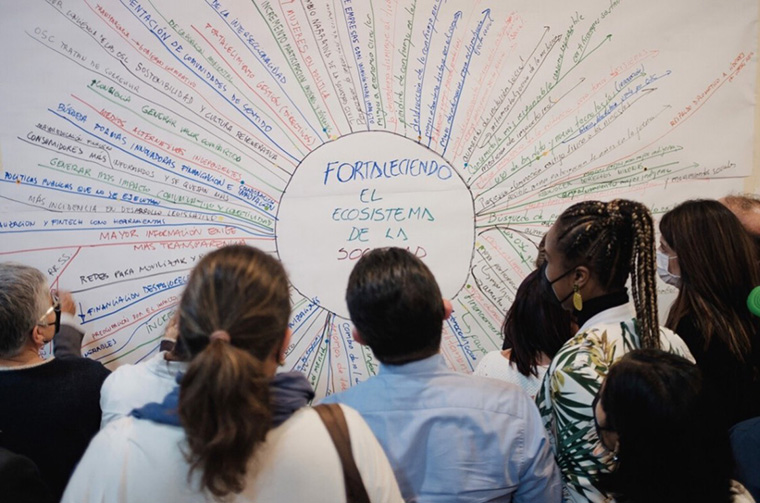
The USAID Kyrgyz Republic Active Communities project helps communities address local issues around solid waste management, public health, gender-based violence, and public safety by supporting collaboration and deepening relationships between civic leaders and organizations, government officials, and businesses in Kyrgyzstan. In 2022, Active Communities partnerships expanded from 10 to 20 municipalities. To tackle solid waste […]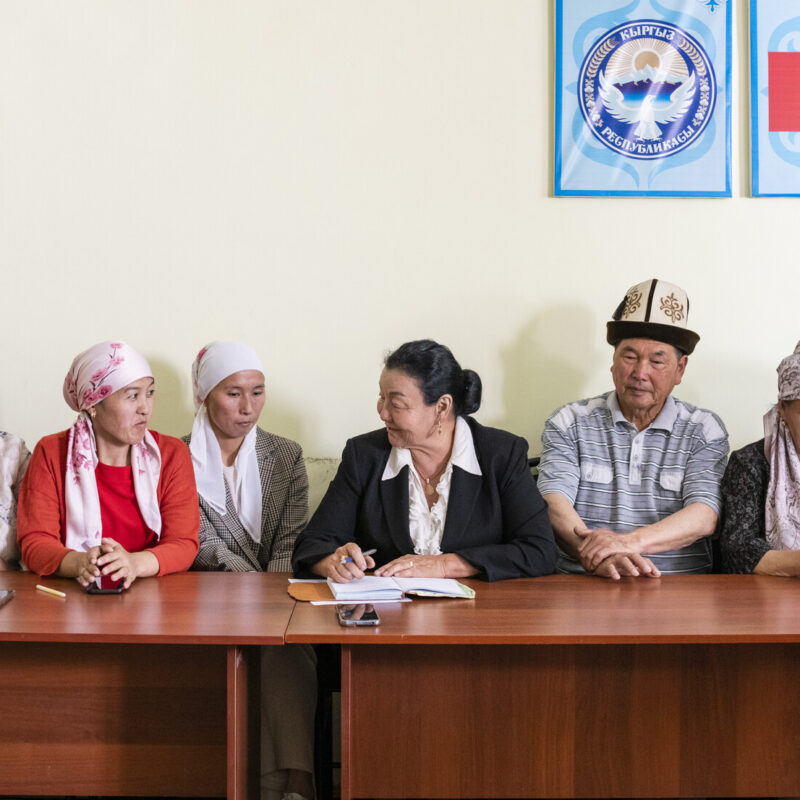
-
Project
Infectious Disease Detection and Surveillance (IDDS)
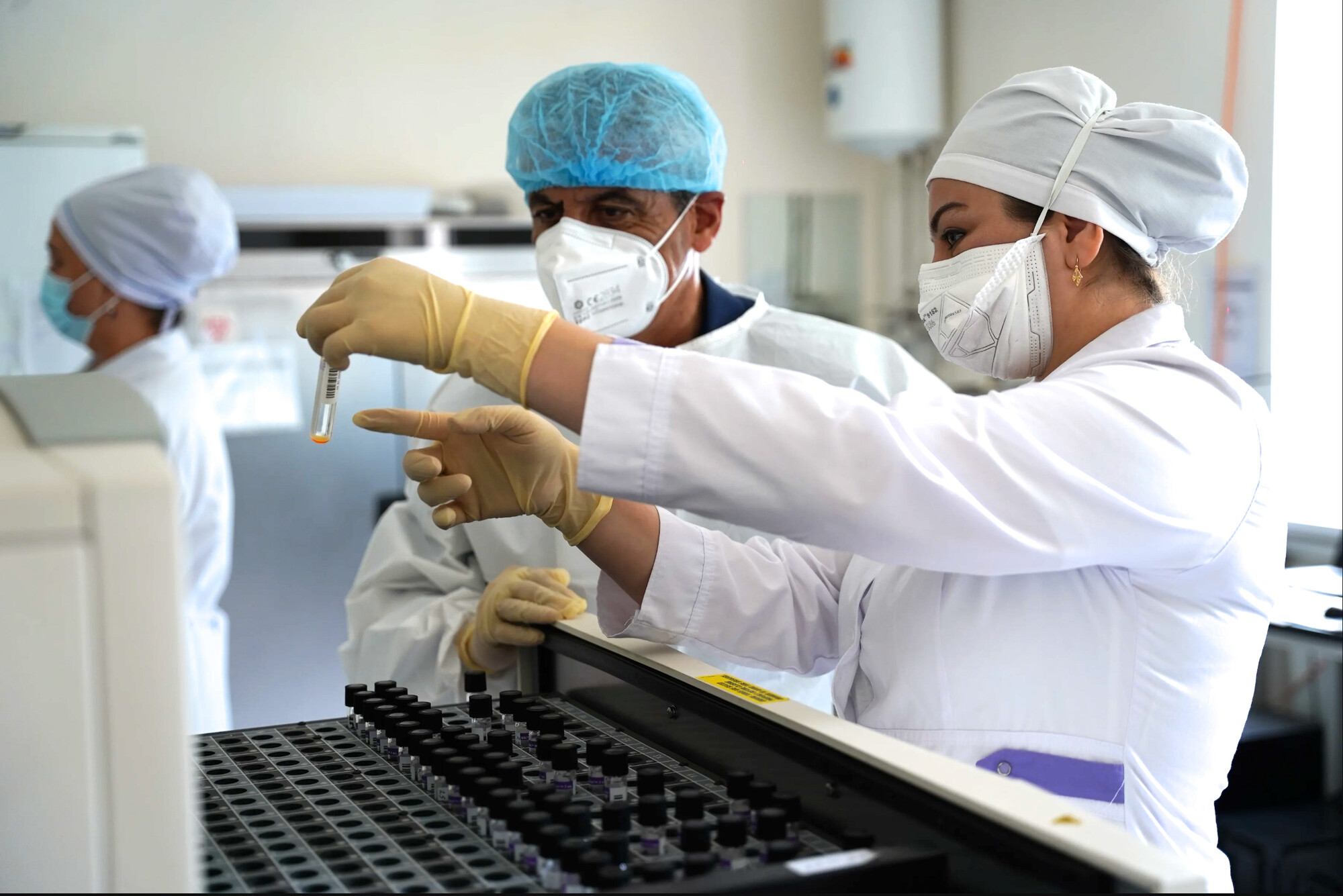
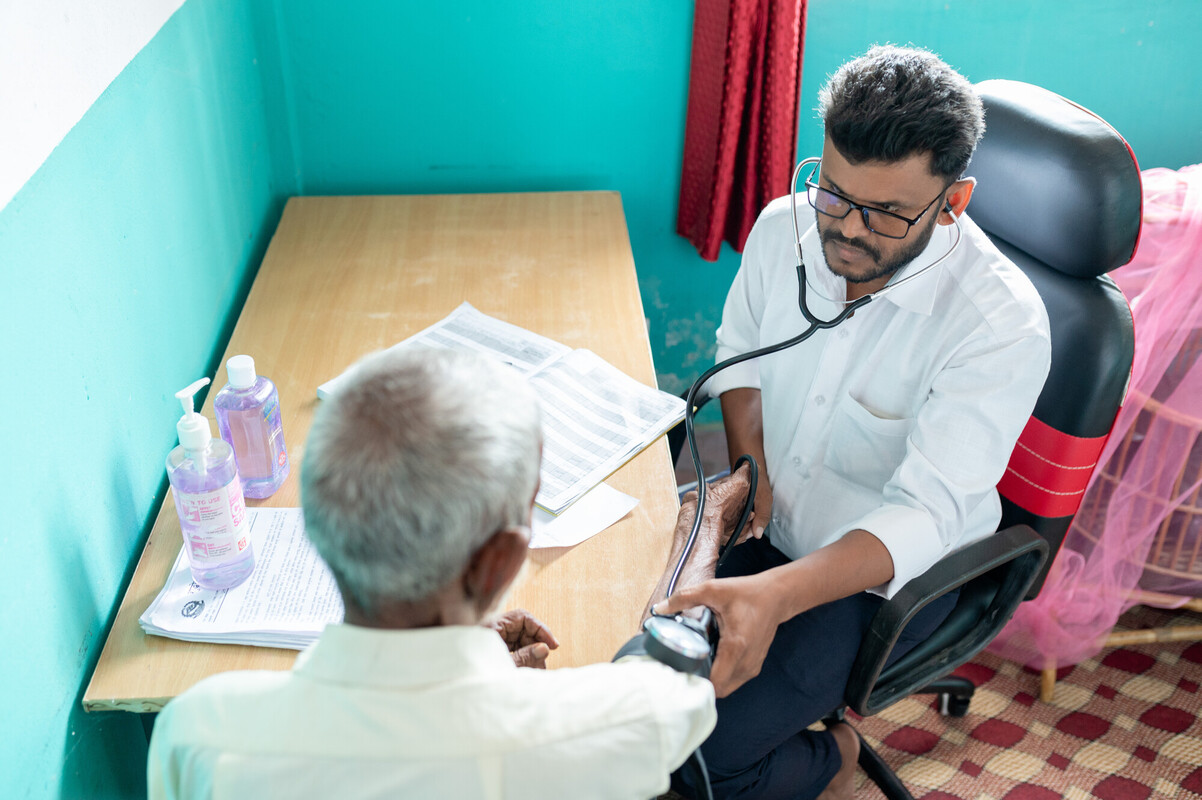
The Infectious Disease Detection and Surveillance (IDDS) project supported countries in detecting priority diseases and antimicrobial resistance by strengthening national and local capacities to improve diagnostic networks and surveillance systems. Our work used the One Health whole-of-government approach, which recognizes that people, animals and their shared environment are interconnected. The prime organization, ICF, led the consortium consisting […]
-
Project
Compass Rose Collaborative
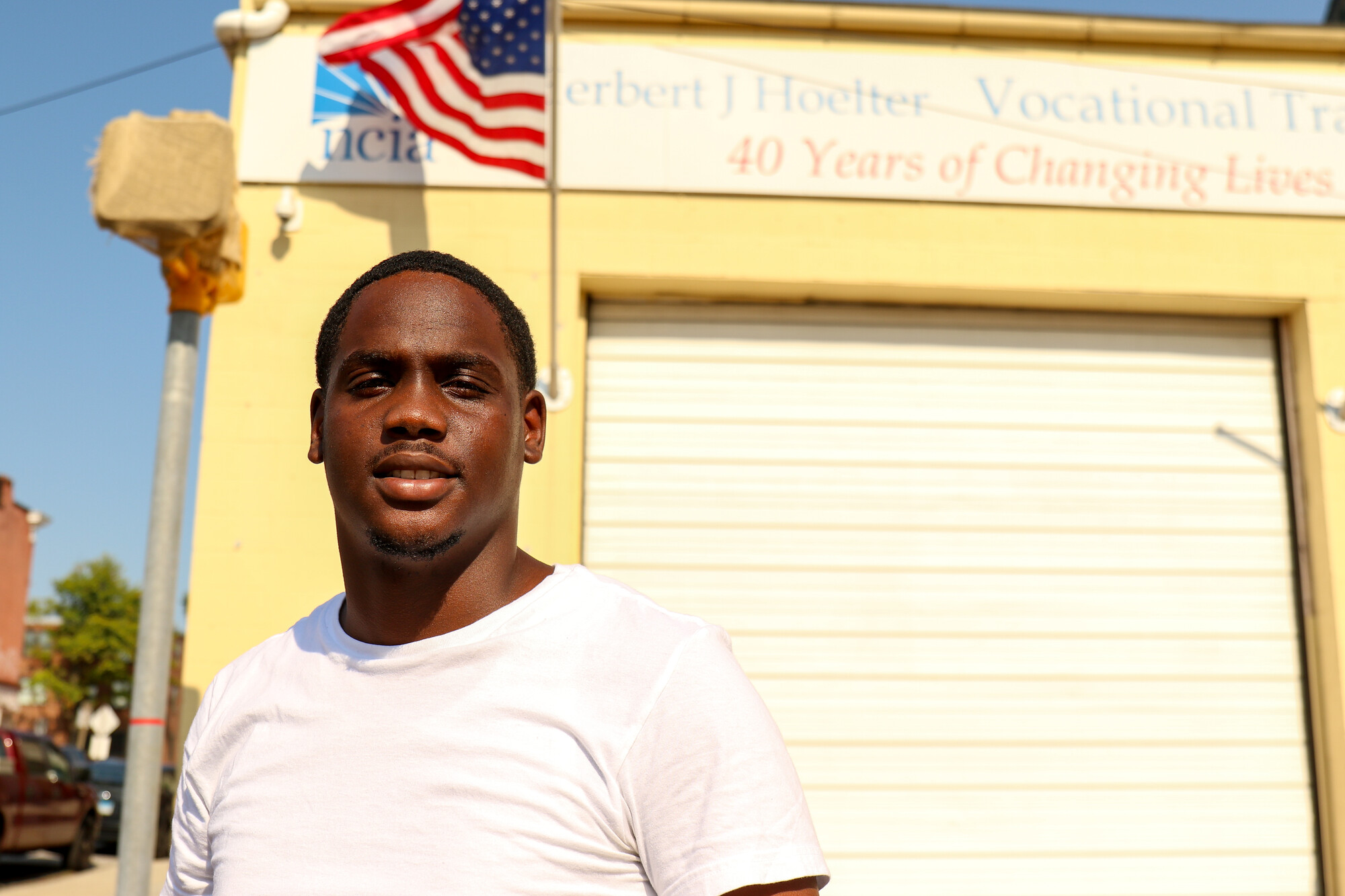
FHI 360 leads the Compass Rose Collaborative (CRC), a project funded by the U.S. Department of Labor to improve the education and employment outcomes of young adults, ages 18 through 24, after involvement in the U.S. criminal justice system. The CRC works with partners in communities with high rates of poverty and crime, including: The […] -
Project
Meeting Targets and Maintaining Epidemic Control (EpiC)
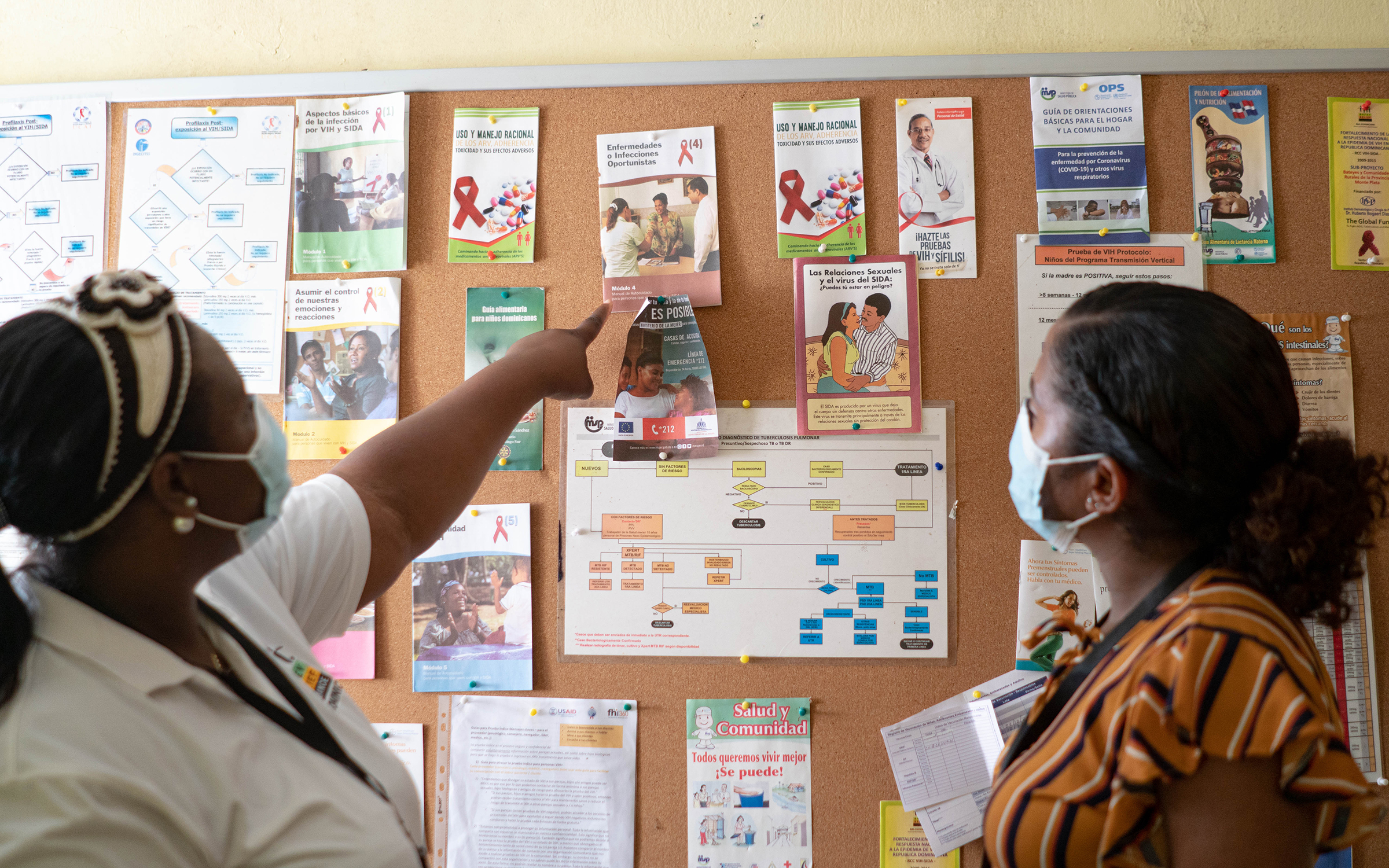
Meeting Targets and Maintaining Epidemic Control (EpiC) is a global project, funded by the United States government, to achieve HIV epidemic control and strengthen global health security (GHS).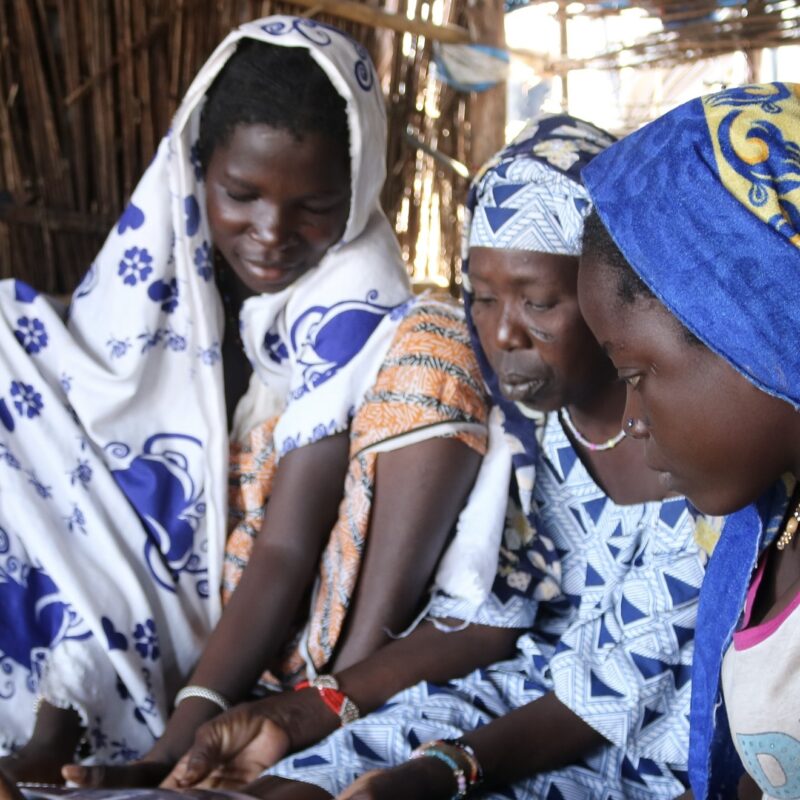
-
Project
Knowledge SUCCESS
The Knowledge SUCCESS (Strengthening Use, Capacity, Collaboration, Exchange, Synthesis and Sharing) project improves family planning and reproductive health services for low- and middle-income countries through knowledge management approaches and activities. This work makes critical, high-quality information available and accessible to the family planning community by enabling routine, meaningful sharing of knowledge and by building lasting […]
-
Project
USAID Indonesia MADANI
The MADANI project is an initiative funded by the U.S. Agency for International Development (USAID) that works across 32 districts and cities in Indonesia to strengthen government accountability and enhance the capacity of community organizations to achieve social change. MADANI has used a collaborative governance approach to bring citizens together to identify issues affecting their […] -
Project
Optimizing HIV Investments for Impact
To facilitate Nigeria’s national response to controlling HIV, FHI 360’s Optimizing HIV Investments for Impact project works to reduce mortality and morbidity from HIV and reduce the number of new infections by 2021. The project also supports HIV and tuberculosis (TB) co-infection testing and treatment activities. The project is funded by the Global Fund to […] -
Project
Reducing the Burden of TB
The Reducing the Burden of TB project (known in Papua New Guinea as the Community-Based TB Treatment (CBTT) project, reduces infections, suffering, deaths and discrimination associated with tuberculosis (TB). The project strengthens the capacity of health care workers in four basic management clinics to provide high-quality, patient-centered TB services. In addition, the project uses community […]
-
Project
Alcançar: Achieving Quality Health Services for Women and Children
The Alcançar: Achieving Quality Health Services for Women and Children project (known in Mozambique as Alcançar: Qualidade de Serviços de Saúde para Mulheres e Crianças) is establishing the Nampula province in Mozambique as a model health system for maternal, neonatal and child health (MNCH) services that are high-quality, patient-centered and evidence-based. FHI 360 leads a […]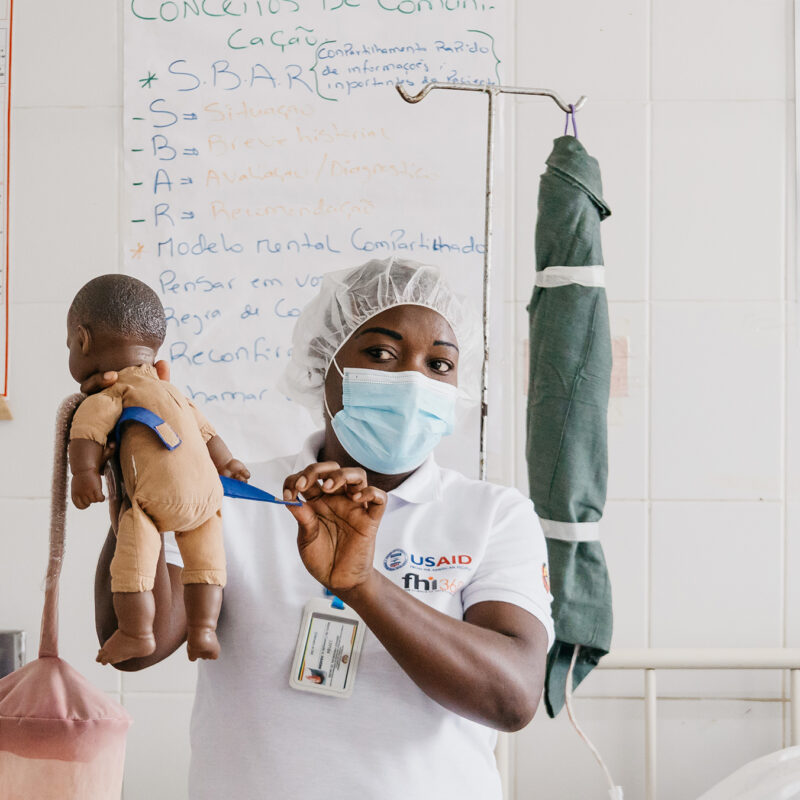
-
Project
Department of Defense/Malian Armed Forces HIV/AIDS Services (DOD/MAFHAS)
The Department of Defense/Malian Armed Forces HIV/AIDS Services (DOD/MAFHAS) project works to reduce the transmission of HIV and sexually transmitted infections among military personnel, their dependents and communities served by military health facilities. The project focuses on interventions outlined in the National Strategic Framework to Fight HIV/AIDS in Mali 2017–2021 (cadre Stratégique National de Lutte […]
Join our team
FHI 360 is an inclusive and innovative community of experts in more than 60 countries around the world, united by a shared goal: to open opportunities for people everywhere so they can lead full and healthy lives. Join us today.
Become a partner
We are committed to building equitable, collaborative relationships with governments, local communities, academic institutions, foundations and others working to open pathways to lasting change.