








Skip to content
FHI 360
  • Languages
  • Low bandwidth
  • High bandwidth
  • Search
  • Who we are
        • Who we are
          • About us
          • Leadership
          • Ethics and safeguarding
          • Impact and financial reports
          • Contact us
        • About us

          Impact and financial reports

  • What we do
        • What we do
          • Economic opportunity
          • Health


        • How we do it
          • Research in action
          • Humanitarian response
          • Digital innovation and AI
        • Explore our expertise
        • Economic opportunity

          Health

  • Where we work
        • Where we work
          • Asia Pacific
          • Central Africa
          • East Africa
          • West Africa
          • Southern Africa
          • Middle East and North Africa
          • Europe and Central Asia
          • Latin America and the Caribbean
          • United States
        • Around the world

          In the United States

  • Work with us
        • Work with us
          • Join our team
          • Local partners
          • Government and multilateral funders
          • Foundations and corporations
          • Academic and research partners
          • Small businesses and vendors
          • CEO position specification
        • Join our team

          Local partners

          Government and multilateral funders

          Foundations and corporations

          Academic and research partners

          Small businesses and vendors

  • News
        • News
          • Newsroom
        • Get the latest news
        • Newsroom

  • Stories
        • Stories & blog
          • Stories
          • Videos (YouTube)
          • Blog
        • Explore our storytelling
        • Our storytelling

          Blog

  • Resources
        • Resources
          • Resource library
        • Resource library

Home | Expertise | HIV | HIV service integration

HIV service integration

As countries attain or near HIV epidemic control, we must ensure that the gains made over the last two decades are sustained.

One way FHI 360 helps achieve this is by supporting HIV service integration at both the service delivery and health systems levels.

We integrate a range of health services into HIV programs to meet the holistic needs of clients while promoting program efficiency and sustainability. To improve the delivery of integrated services, we create and support client-centered interventions that consider the needs of each person.

We also strengthen the capacity of country governments and local partners to integrate HIV services into national health systems and primary health care. This helps sustain local country leadership of the HIV response.

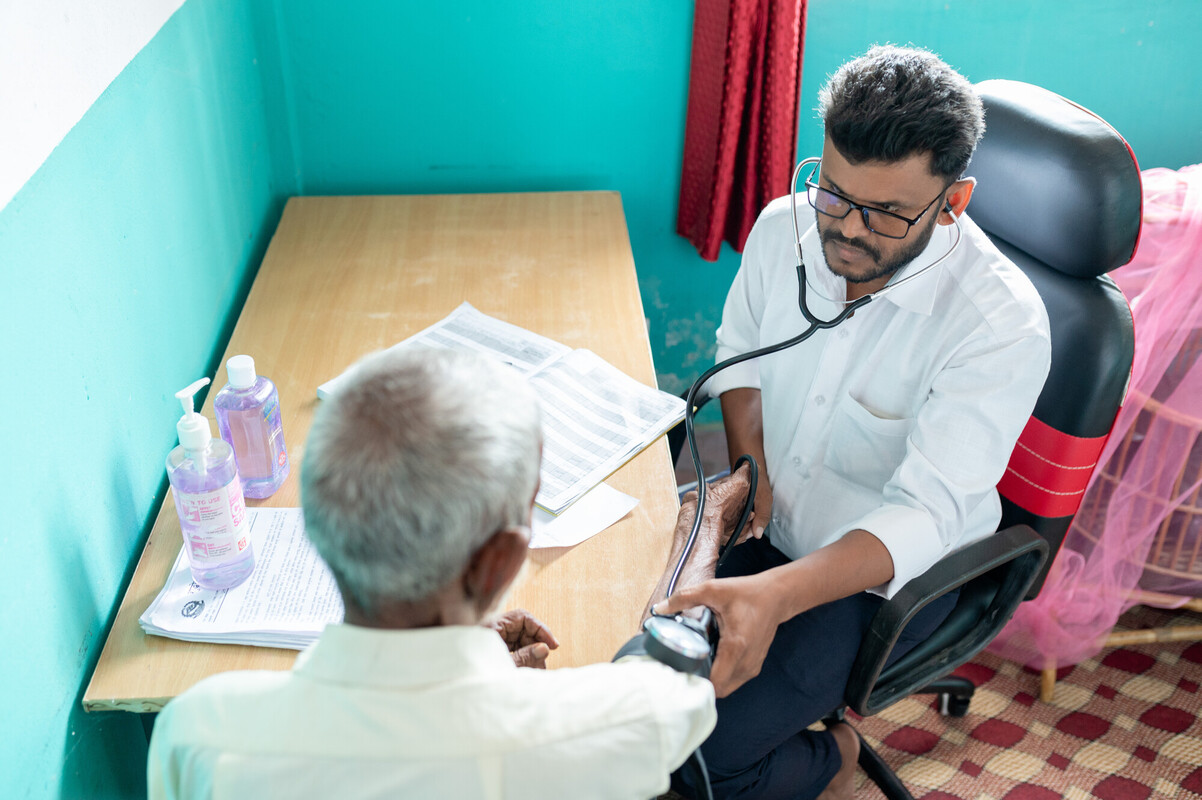
A nurse uses a blood pressure cuff on a patient's arm.
Phan Thi Be Ba, a nurse at District 3 Health Center in Ho Chi Minh City, Viet Nam, prepares a client for their appointment with an HIV service provider. Photo credit: Tran Thien Tu/RICE for FHI 360

How we integrate services for a sustained HIV response

FHI 360 provides technical assistance and capacity strengthening to support governments, health providers, the private sector, civil society organizations, and communities to deliver comprehensive and integrated packages of health services.

We integrate HIV with other health services so that those most vulnerable to HIV, as well as the general population, can receive comprehensive care at one location, moving from a siloed to a holistic approach.

Our approaches to HIV service integration include:

  • Decentralized drug distribution strategies.
  • Sustainable financing approaches and guidance.
  • HIV-linked health financing policies.
  • Promoting integration as part of universal health care efforts.
  • Cutting-edge health information systems.
  • Integrated diagnostics and case finding for infectious and noncommunicable diseases.
  • One-stop shops and drop-in health centers.
  • Strategic public–private partnerships.
  • Human resources for health.
  • Human resource management systems.
  • Technical assistance and training.
  • Local partner capacity strengthening.
Featured webinar

Integrating HIV and primary health care services

The EpiC project, led by FHI 360, hosted a webinar focused on innovative approaches to integrating HIV and primary health care services in Mozambique, Nigeria, the Philippines, Thailand and Viet Nam.
Watch the webinar recording
A pair of white-gloved hands performs a pin prick test on another person's hand.

Our projects

  • Learn about how our HIV programming helps connect people to the health care they need.

  • Project

    Meeting Targets and Maintaining Epidemic Control (EpiC)
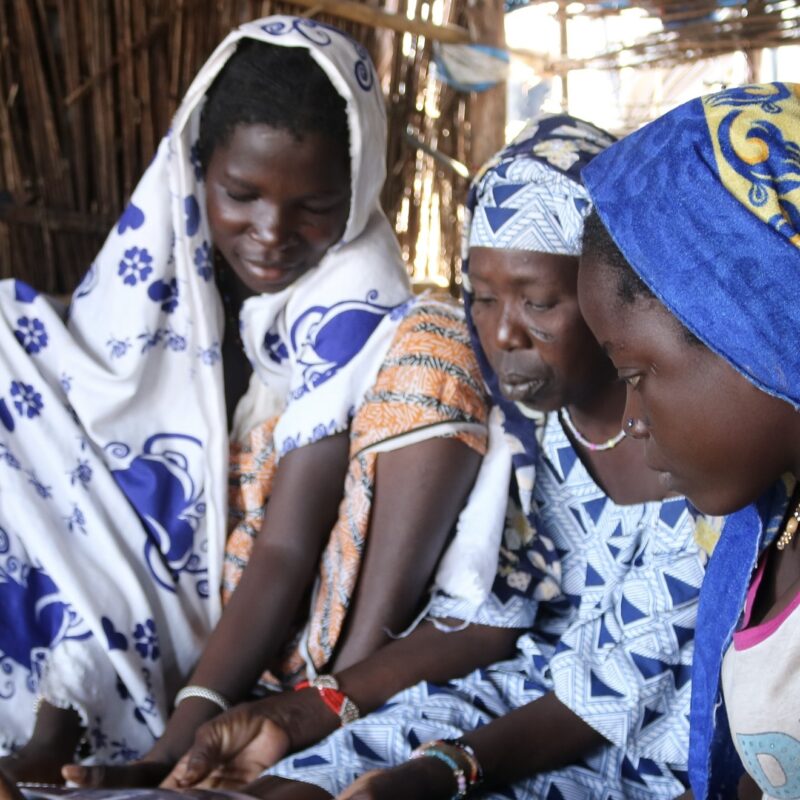
    Women participate in an HIV/AIDS session at a site for internally displaced people in Mali’s capital, Bamako.
  • Project

    Cambodia USAID Enhancing Quality of Healthcare Activity II (EQHA II)

  • Project

    Expanding Malawi HIV/AIDS Prevention with Local Organizations Working for an Effective Epidemic Response (EMPOWER)

  • Project

    Integrated HIV Prevention and Health Services for Key and Priority Populations (PASSOS)

  • Project

    Strengthening Integrated Delivery of HIV/AIDS Services (SIDHAS)

  • Project

    HIV Service and Systems Strengthening Project

Share expertise
Back to top

On this page

Related areas

  • Chronic and noncommunicable diseases
  • Health systems strengthening
  • Private: Family planning and reproductive health
  • Tuberculosis
FHI 360

We are a nonprofit organization that mobilizes research, resources and relationships so that people everywhere can access the opportunities they need to lead full, healthy lives.

  • Partner with us
  • Business opportunities
  • Contract mechanisms
  • Small business
  • Our FHI 360 network
  • Events
  • Employee access
  • Contact us
  • Press
  • Privacy notice
  • Ethics and safeguarding

FHI 360 Headquarters
359 Blackwell Street, Suite 200
Durham, NC 27701 USA
1.919.544.7040

Washington, D.C., Office
2101 L St NW, Suite 700
Washington, DC 20037 USA
1.202.884.8000

Anti-trafficking statement

Connect

Sign up for our mailing list and receive the latest updates from FHI 360 straight to your inbox!

  • LinkedIn
  • Facebook
  • X
  • Youtube
  • Instagram

FHI 360 is the registered trade name of Family Health International.

©2026 FHI 360

We are using cookies to give you the best experience on our website.

You can find out more about which cookies we are using or switch them off in .

FHI 360
Powered by  GDPR Cookie Compliance
Privacy overview

This website uses cookies so that we can provide you with the best user experience possible. Cookie information is stored in your browser and performs functions such as recognising you when you return to our website and helping our team to understand which sections of the website you find most interesting and useful.

Essential cookies

Essential cookies should be enabled at all times so that we can save your preferences for cookie settings. However, they can be enabled or disabled using the button below.

Non-essential cookies

This website uses Google Analytics to collect anonymous information such as the number of visitors to the site, and the most popular pages.

Keeping this cookie enabled helps us to improve our website.