






Skip to content
FHI 360
  • Languages
  • Low bandwidth
  • High bandwidth
  • Search
  • Who we are
        • Who we are
          • About us
          • Leadership
          • Ethics and safeguarding
          • Impact and financial reports
          • Contact us
        • About us

          Impact and financial reports

  • What we do
        • What we do
          • Economic opportunity
          • Health


        • How we do it
          • Research in action
          • Humanitarian response
          • Digital innovation and AI
        • Explore our expertise
        • Economic opportunity

          Health

  • Where we work
        • Where we work
          • Asia Pacific
          • Central Africa
          • East Africa
          • West Africa
          • Southern Africa
          • Middle East and North Africa
          • Europe and Central Asia
          • Latin America and the Caribbean
          • United States
        • Around the world

          In the United States

  • Work with us
        • Work with us
          • Join our team
          • Local partners
          • Government and multilateral funders
          • Foundations and corporations
          • Academic and research partners
          • Small businesses and vendors
          • CEO position specification
        • Join our team

          Local partners

          Government and multilateral funders

          Foundations and corporations

          Academic and research partners

          Small businesses and vendors

  • News
        • News
          • Newsroom
        • Get the latest news
        • Newsroom

  • Stories
        • Stories & blog
          • Stories
          • Videos (YouTube)
          • Blog
        • Explore our storytelling
        • Our storytelling

          Blog

  • Resources
        • Resources
          • Resource library
        • Resource library

Home | Expertise | Emergency nutrition

Emergency nutrition

Almost half of deaths in children under 5 are caused by undernutrition, and the risk of death is significantly greater in the context of humanitarian emergency.

FHI 360 works to prevent and treat malnutrition in all its forms, especially among children and pregnant and/or lactating women. Our emergency nutrition programs include three core elements:

  • Facilitating maternal, infant and young child nutrition in emergencies (MIYCN-E).
  • Improving emergency services for cases of severe acute malnutrition and moderate acute malnutrition.
  • Supporting outreach for community-based management of acute malnutrition.

We work closely with communities, health facilities, mobile clinics, community health workers and other key service providers to ensure that infants, children and women are getting the nutrition they need.

Our programs work to protect, promote and support recommended infant and young child feeding (IYCF) practices, focusing on establishing services at the community and health facility levels to reach the most those at an increased risk for HIV. We strengthen frontline workers’ skills to provide IYCF counseling and support services, and we facilitate peer support groups — where mothers and fathers can help each other improve breastfeeding and complementary feeding practices in their families.

We also integrate MIYCN-E education, outreach and awareness-raising, delivering key messages on complementary feeding and exclusive breastfeeding and promoting vitamin A-rich foods, iron-rich foods and vegetables. In many of our programs, we distribute micronutrient supplements to children and pregnant women, monitor implementation of the International Code of Marketing of Breast-milk Substitutes and donations of infant formulas, and identify and treat infants under 6 months with wasting to ensure they receive responsive services and care.

To improve access to care for children with wasting, we train health workers to screen and refer moderate and severe cases using evidence-based strategies, such the Family MUAC (that is, mother-led mid-upper arm circumference screening) and simplified approaches. We also establish and support stabilization centers for complicated cases of severe acute malnutrition, while children with uncomplicated cases receive treatment through FHI 360 or partner-supported outpatient therapeutic programs. Wherever possible, we support systems for identifying and enrolling children with moderate acute malnutrition into targeted supplementary feeding programs.

To ensure that our emergency nutrition programs are aligned with global and national protocols and guidelines, our programs support and promote the implementation of Operational Guidance for Infant and Young Child Feeding in Emergencies (OG-IFE). We have also been leading the development of the very first IYCF-E Assessment Guide.

FHI 360 is an active member of the Global Nutrition Cluster, co-chairs the Infant Feeding in Emergency Core Group (IFE-Core Group) and serves in the Nutrition Information System Working Group.

Featured projects and stories

  • Story

    Afghanistan’s food crisis through the eyes of a mother
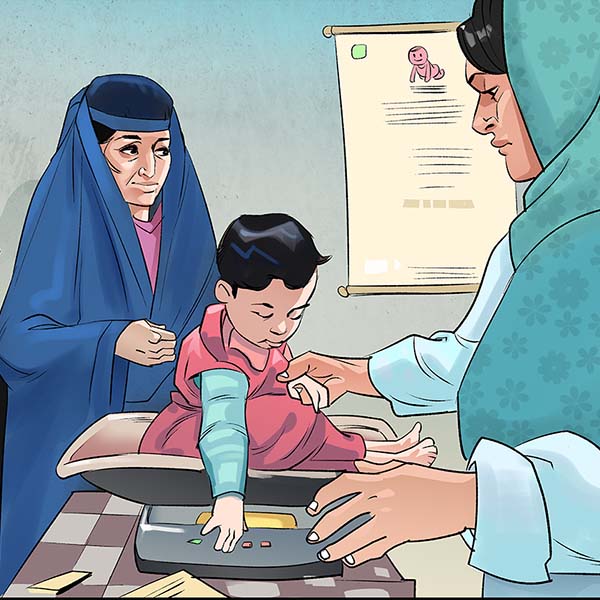
    August 30, 2022
  • Project

    Project for Humanitarian Assistance Serving Eastern DRC (PHASED)

  • Project

    Integrated Services for Humanitarian Implementation – Ethiopia
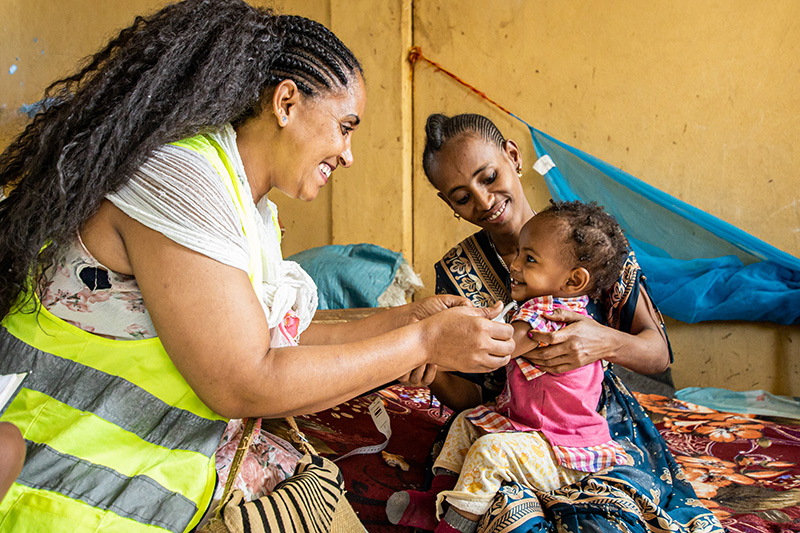
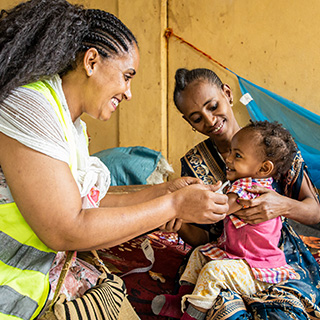
    Banchi Tadesse, an FHI 360 volunteer, measures a child’s arm circumference with a MUAC tape to monitor her recovery from a diagnosis of malnutrition.
  • Project

    Integrated Response to Affected Mozambique Populations (IRAMP)
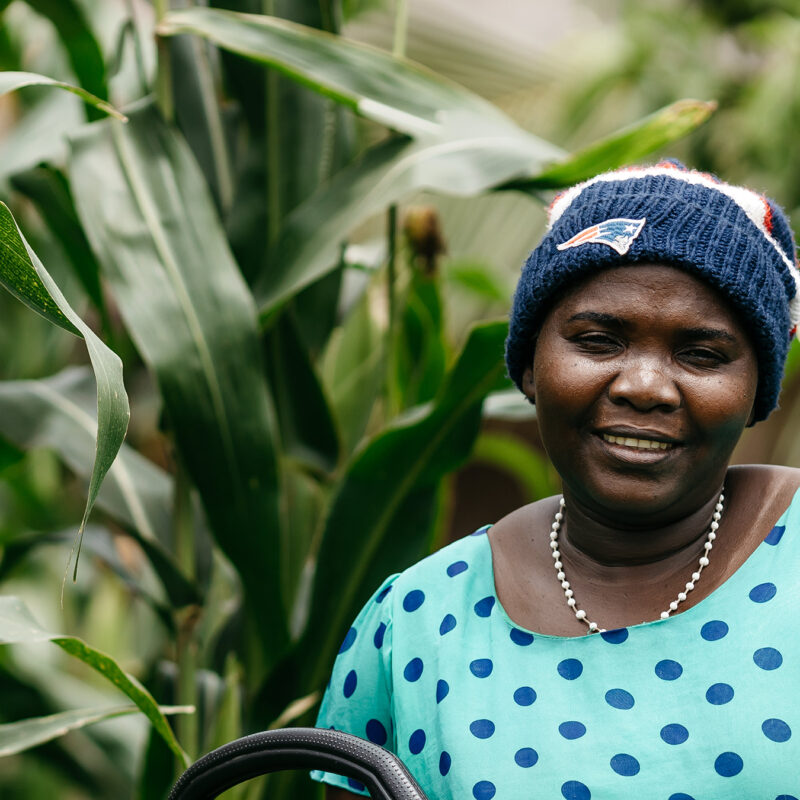
    woman with watering can
  • Project

    Integrated Humanitarian Assistance to Northeast Nigeria III (IHANN III)

  • Project

    Scaling Up Integrated Humanitarian Assistance to Yemen (SUIHAY) II

Share expertise
Back to top

On this page

FHI 360

We are a nonprofit organization that mobilizes research, resources and relationships so that people everywhere can access the opportunities they need to lead full, healthy lives.

  • Partner with us
  • Business opportunities
  • Contract mechanisms
  • Small business
  • Our FHI 360 network
  • Events
  • Employee access
  • Contact us
  • Press
  • Privacy notice
  • Ethics and safeguarding

FHI 360 Headquarters
359 Blackwell Street, Suite 200
Durham, NC 27701 USA
1.919.544.7040

Washington, D.C., Office
2101 L St NW, Suite 700
Washington, DC 20037 USA
1.202.884.8000

Anti-trafficking statement

Connect

Sign up for our mailing list and receive the latest updates from FHI 360 straight to your inbox!

  • LinkedIn
  • Facebook
  • X
  • Youtube
  • Instagram

FHI 360 is the registered trade name of Family Health International.

©2026 FHI 360

We are using cookies to give you the best experience on our website.

You can find out more about which cookies we are using or switch them off in .

FHI 360
Powered by  GDPR Cookie Compliance
Privacy overview

This website uses cookies so that we can provide you with the best user experience possible. Cookie information is stored in your browser and performs functions such as recognising you when you return to our website and helping our team to understand which sections of the website you find most interesting and useful.

Essential cookies

Essential cookies should be enabled at all times so that we can save your preferences for cookie settings. However, they can be enabled or disabled using the button below.

Non-essential cookies

This website uses Google Analytics to collect anonymous information such as the number of visitors to the site, and the most popular pages.

Keeping this cookie enabled helps us to improve our website.