







At WOHC 2026, FHI 360 experts will demonstrate how we use better data to make better decisions – and highlight exactly how we translate evidence into action.
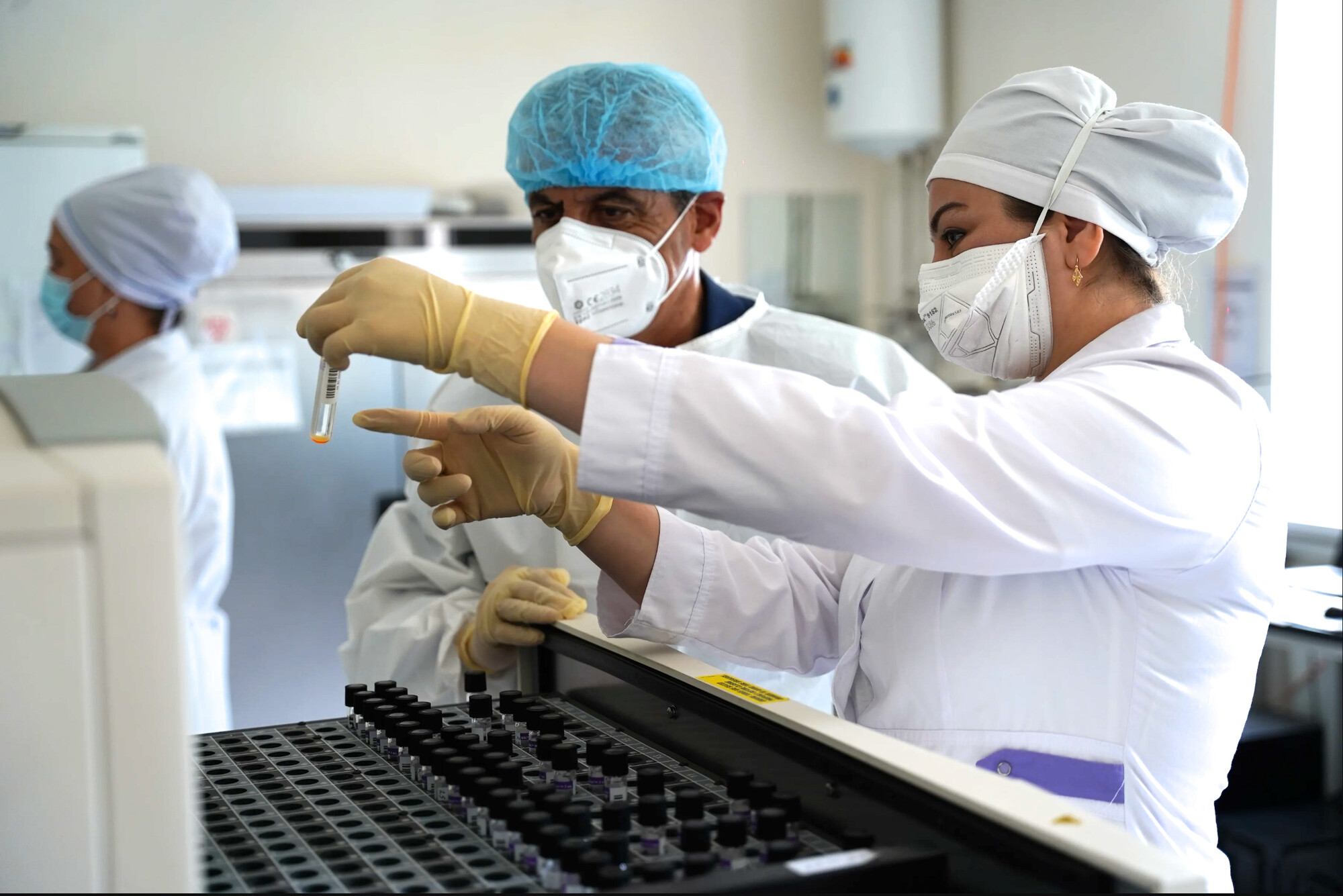
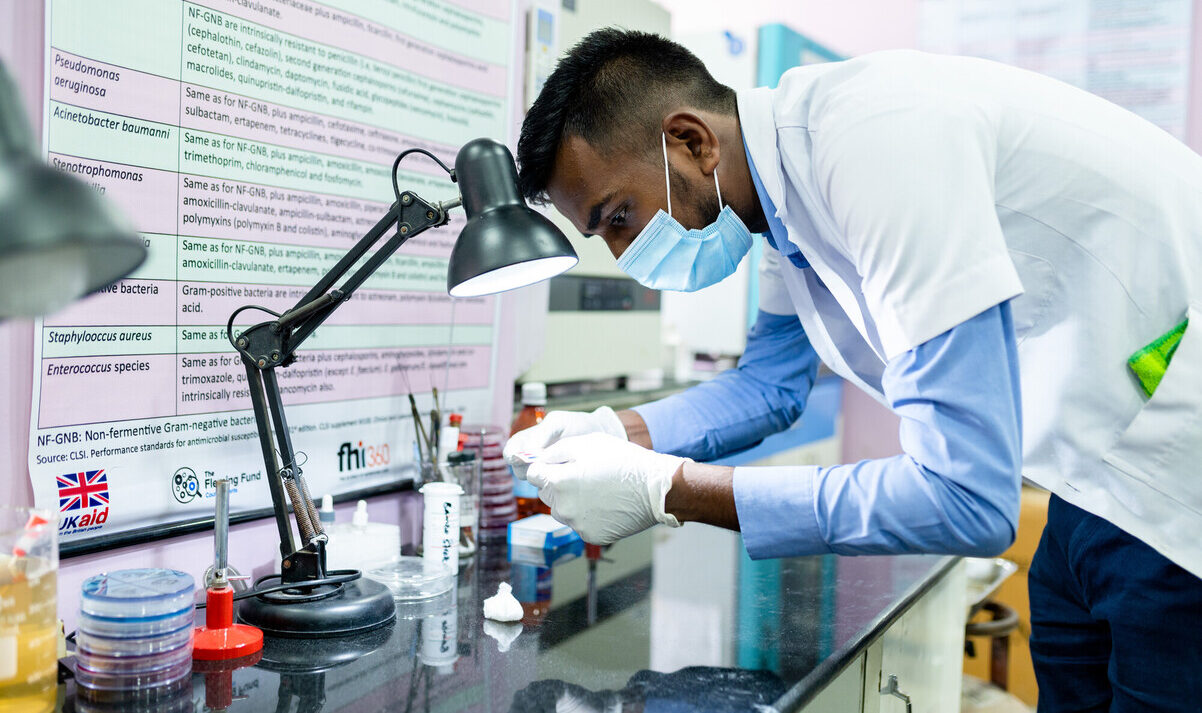
FHI 360 will lead a scientific session at the 9th World One Health Congress exploring how digital innovation, genomics and integrated One Health data can support more actionable decision-making on antimicrobial resistance (AMR) and climate-sensitive health risks.
The session, “From Data to Decisions: Digital Advancements, Genomics, Antimicrobial Resistance (AMR), and Climate at the Frontlines of One Health,” will bring together experts working across human, animal and environmental health. Presentations and discussion will examine the use of climate signals for vector and pathogen prediction, AI-enabled integration of AMR data, pathogen genomics, digital innovations for surveillance and cross-sector approaches that can strengthen antimicrobial stewardship, preparedness, policy action and resource prioritization.
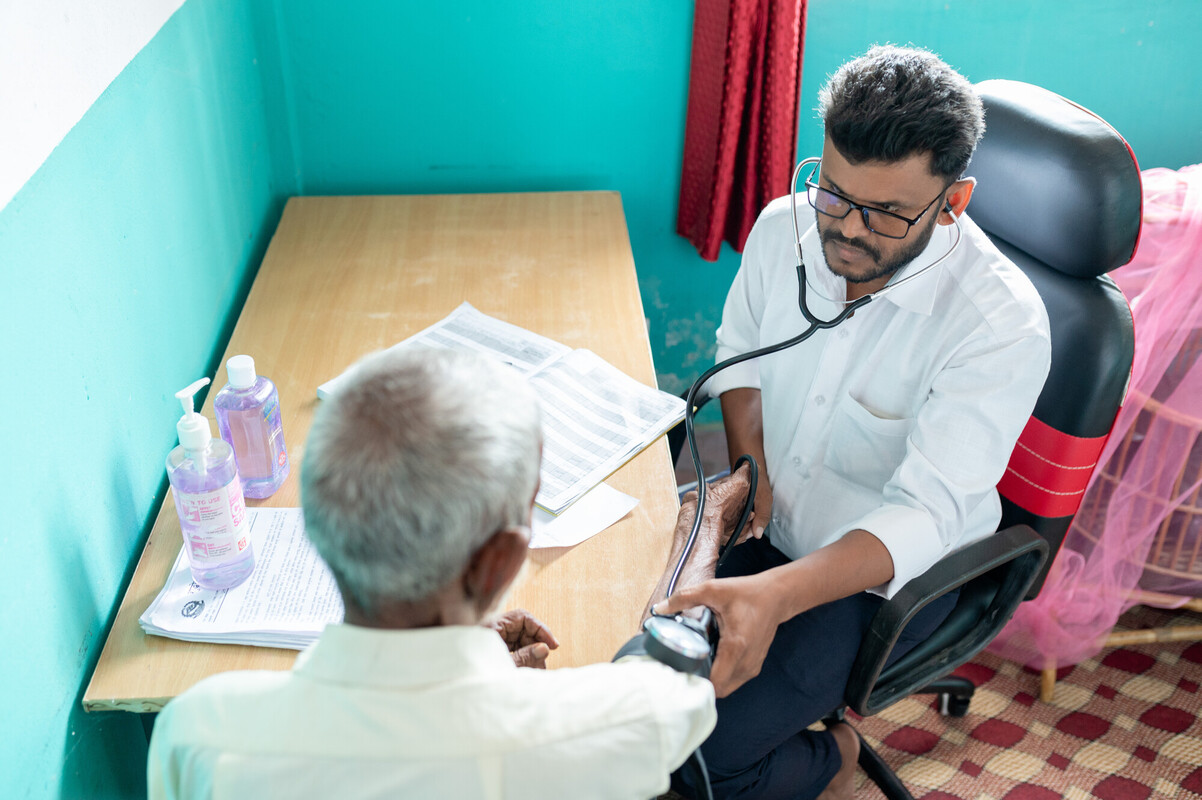
FHI 360 experts Janet Robinson and Yasser Sanad will chair the session. Sanad will also present on leveraging AI and pathogen genomics to understand speciation and mutation and help predict AMR. Gopal Panta will present on the use of digital innovations for strengthening AMR surveillance in climate-vulnerable low- and middle-income settings.
FHI 360’s point of view: Better data is most valuable when it leads to better decisions. Our work connects scientific and digital advances with the operational realities of surveillance, health systems and implementation so evidence can inform practical action.
Technical Presence
FHI 360-led session
Sept. 7
11 a.m.-12:30 p.m. WEST
Auditorium II
From Data to Decisions: Digital Advancements, Genomics, Antimicrobial Resistance (AMR), and Climate at the Frontlines of One Health
Chairs: Janet Robinson, FHI 360, and Yasser Sanad, FHI 360
FHI 360 presentation: Leveraging AI and pathogen genomics to understand speciation, mutation, and predict AMR, presented by Yasser Sanad. Use of digital innovations for strengthening AMR surveillance in vulnerable LMIC settings, presented by Gopal Panta.
Additional program topics include environmental signals for vector and pathogen prediction and AI-enabled integration of human, animal and wastewater AMR data.