




For the past 10 years, the number of undernourished people in the world has been increasing at an alarming rate. In 2022, around one-third of the world’s population did not have reliable access to nutritious, safe and sufficient food. Undernutrition is the greatest threat to child survival globally: Nearly half of all deaths among children under 5 are linked to undernutrition. What’s more, undernutrition chips away at all the other development gains we value: building strong economies, educating children, treating diseases and promoting good health.
What is ironic is that undernutrition is also one of the most fixable of all the challenges facing humanity today. Nutrition interventions are consistently ranked as one of the most cost-effective ways to save and improve lives around the world. This means that addressing the global food and nutrition crisis is not only imperative to solving today’s biggest challenges — it is eminently possible.
That’s why FHI Solutions is now joining FHI 360 to form a new global nutrition unit. Together, we will endeavor to scale up efforts to improve nutrition and food security for families across the world, through interventions that are the foundation of all other global development.
FHI Solutions is an international organization and impact network established in 2008 to source and scale innovations to ensure optimal nutrition for everyone. The organization reaches millions of people across 30 countries in Africa and Asia.
This work has been so successful in large part because it is based on identifying and scaling evidence-based solutions to nutrition challenges, implementing those solutions and then advocating for proven successes to become public policy. Here are just three examples:
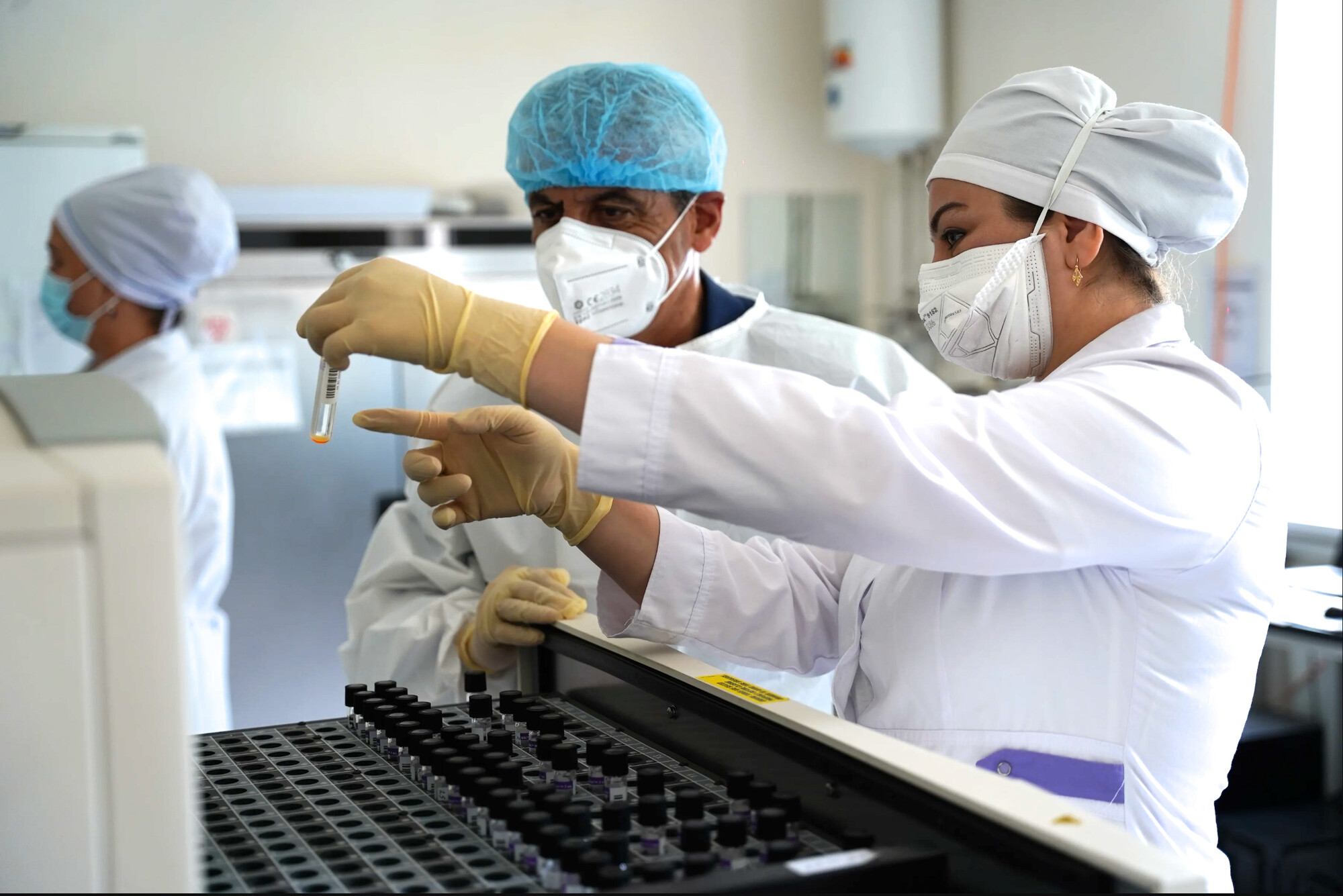
Through our Intake initiative — which works to reduce barriers to dietary data collection, analysis and use — we’ve developed the Global Diet Quality Score (GDQS), the first metric validated for global use to capture diet quality. It aims to fill the gap in dietary data and help us understand what people eat — so that we are better equipped to foster positive change. Accurate data is essential to identifying evidence-based solutions. We use this and other tools as we provide technical support to national health systems around the world to improve national dietary data collection, analysis and use.
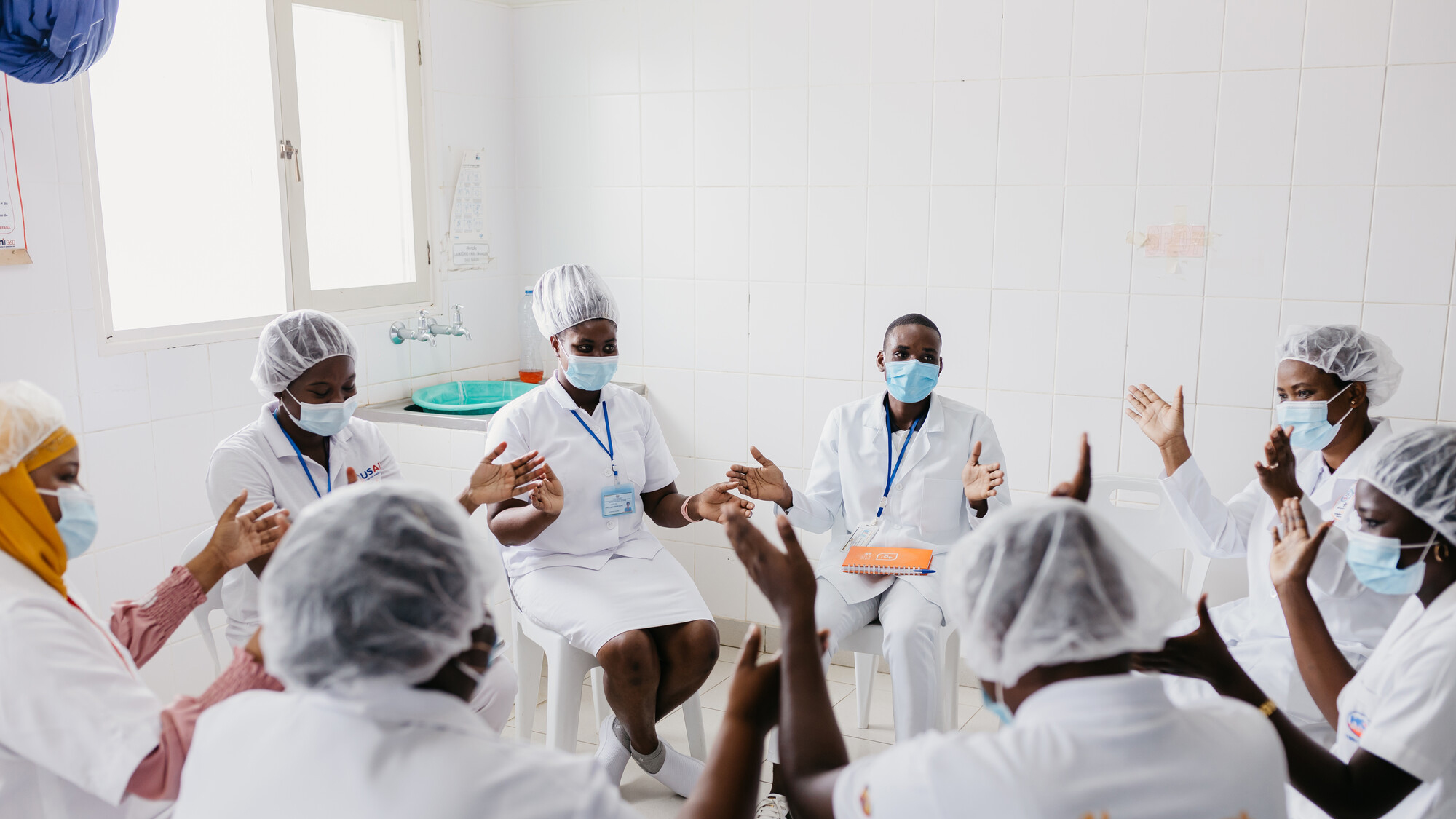
Through our 1,000 Days initiative — which is creating a healthier and more equitable future for all pregnant, birthing, postpartum and parenting people and their children — we’ve seen the difference it makes when pregnant women are supplied with prenatal vitamins and when breastfeeding mothers have support and counseling. We’ve seen how lives are protected and saved when children have access to vitamin A supplementation, and when children who experience wasting have access to specialized, nutrient-dense foods for treatment.
Our global nutrition initiative Alive & Thrive initiative improves nutrition, health and development outcomes for infants, children, adolescent girls and women through technical assistance, innovation and knowledge leadership. Through it, we developed The Cost of Not Breastfeeding Tool, drawing on data from 160 countries to help policymakers understand why breastfeeding support must be a public policy priority.
Our new global nutrition unit at FHI 360 will bring together the knowledge and practices of both of our teams by combining programs, research and development, and policy and advocacy into one expanded portfolio. The new unit will benefit from close collaboration among the full range of technical expertise housed at FHI 360, from behavior change to health systems strengthening to expertise in climate-smart innovations, fortifying our shared efforts to save lives, prevent illness and ensure healthy futures for families worldwide.
As a joint team we are already partnering to achieve greater things. With the support of the U.S. Agency for International Development (USAID), FHI 360 will lead on the flagship Enhancing Local Efforts for Vital, Transformative and Evidence-Based Nutrition (ELEVATE Nutrition) project to expand the evidence base of nutrition solutions and support local leadership as they strive to improve women and children’s nutritional status across 14 countries.
In the next year, we’ll introduce pioneering innovations that build on the investment case for nutrition. We’ll continue conducting research, strengthening the quality of global nutrition data and supporting social behavior change. We’ll also continue to advocate for better policies and programs that support local leaders and families in improving nutrition for women and children.
Solving the global food and nutrition crisis requires increased collaboration and investment around the world. Communities, nonprofits — ourselves included — and governments can take further action now to ramp up these types of efforts. What we do or do not do today will determine the health, well-being and economic security of families for generations. For that reason, our teams will continue to research, innovate and advocate until we’re living in a world where optimal nutrition is within reach for everyone, everywhere.