


We have come a long way from the haunting, early days of the HIV pandemic when hopelessness characterized the situation for children living with HIV. Without treatment available, approximately half of those children were destined to die before their second birthday. The global public health community did not know if it could halt transmission of HIV from mother to child. There were no effective, child-friendly formulations of antiretroviral therapy (ART).
Despairing arguments were made by some that perhaps children living with HIV should not be prioritized because they represented “dead-end” infections with low epidemiological impact for further transmission. Underpinning the initial inaction in confronting pediatric HIV was a collective lack of attention to the needs of children and of accountability for achieving results for children.
We have moved beyond some of these challenges, but there is still a need to refocus our pediatric HIV response.
The global context
In 2011, the Joint United Nations Programme on HIV and AIDS (UNAIDS) and the U.S. President’s Emergency Plan for AIDS Relief (PEPFAR) led development of the Global Plan towards the Elimination of New HIV Infections among Children by 2015 and Keeping Their Mothers Alive, bringing together 25 countries and 30 organizations. Another high-level commitment, Start Free, Stay Free, AIDS Free was initiated in 2016. The outcomes of these efforts depended on mothers and fathers, local communities, health professionals, advocates, governments, funders and the global community working together on a better reality for children at risk for or living with the virus.
The results of these global actions have been dramatic. For example, the proportion of pregnant women living with HIV who received ART for the prevention of mother-to-child transmission of HIV (PMTCT) increased from 45 percent in 2010 to 85 percent in 2019. New HIV infections among young children decreased by half in the last decade. And, the proportion of children ages 0–14 living with HIV who received ART increased from 18 percent in 2010 to 53 percent in 2019.
But celebration must be tempered, because across all these measures, we have seen progress stall in the last few years. We remain far short of our goals of seeing no child infected and all children living with HIV receiving lifesaving ART. In every country, results for children and adolescents living with HIV are consistently much worse than the results for adults. Globally in 2019, 68 percent of adults ages 15 and older living with HIV received ART, compared with only 53 percent of children.
FHI 360’s efforts
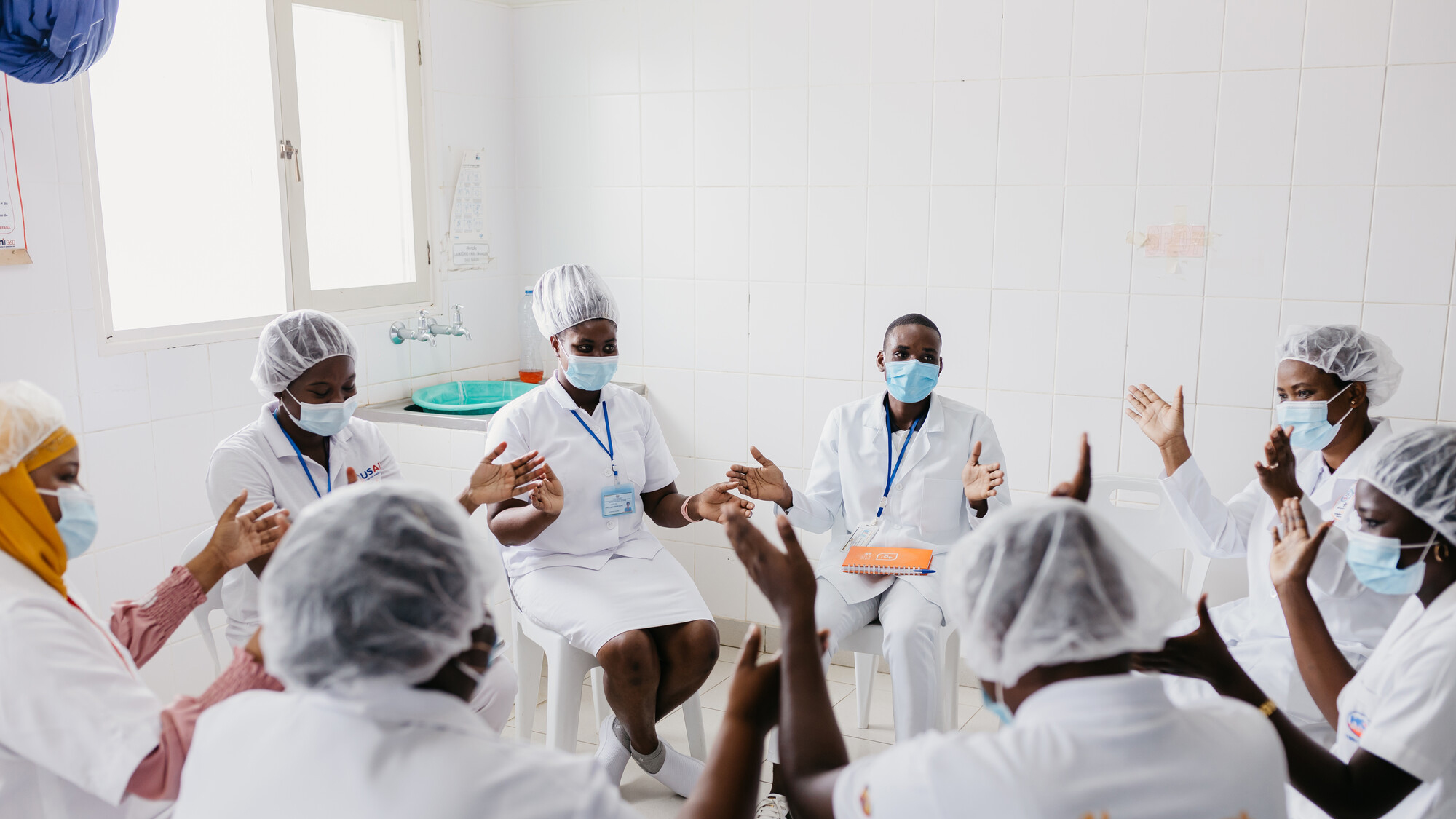
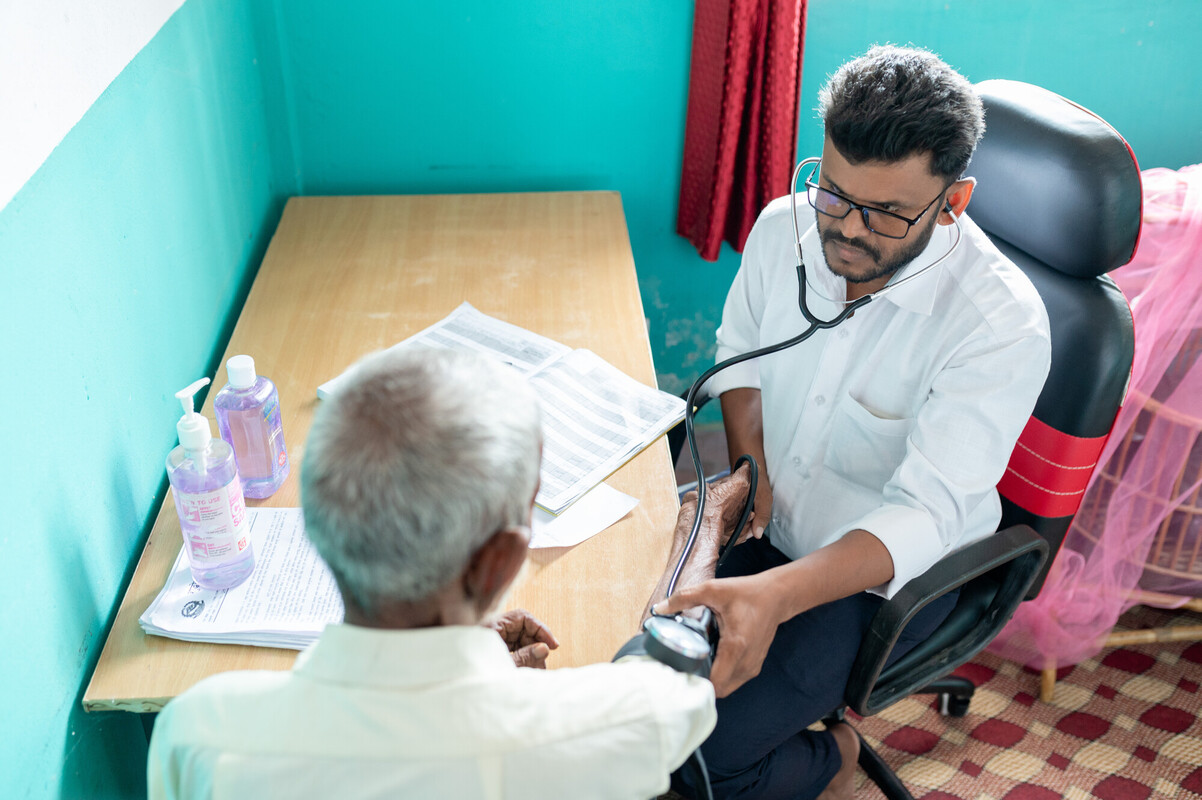
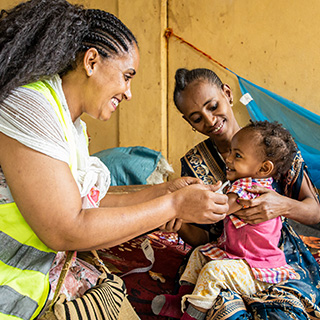
FHI 360’s HIV programs in 26 countries have tested approximately 450,000 children and adolescents in the last year, identified and started more than 11,000 on ART, and provided ongoing ART for more than 46,000. While we rejoice in these accomplishments, we recognize that a deeper look at our data shows gaps along the cascade of services and wide variations in program performance among countries and clinical sites. Overall, there are suboptimal outcomes: Viral load suppression among children and adolescents in FHI 360 programs is 78 percent and 83 percent, respectively, while adult suppression is 90 percent.
Our initial analysis shows that the causes are many and interrelated. Among the numerous issues to be addressed are: lack of advocacy for pediatric ART; lack of policies allowing multimonth ART dispensing to decrease unnecessary and burdensome clinic visits; insufficient rollout of safer and more effective pediatric ART regimens; gaps in provider training; stigma and discrimination; and poor coordination and collaboration with existing programs for orphans and vulnerable children, PMTCT and early infant diagnosis.
Moving from insight to action
In October 2020, FHI 360 launched a yearlong Pediatric and Adolescent Catch-up (PAC) Initiative for FHI 360’s leadership and project staff to focus on and hold ourselves accountable to. As was necessary years ago to jump-start progress on pediatric and adolescent HIV, FHI 360 is taking a comprehensive approach to overcoming challenges in our diverse programs, engaging technical leadership, management, clinical staff, patients, families and communities.
We developed an action framework that addresses performance gaps, using a systematic data-driven four-step approach: 1) understanding the root causes of gaps in HIV treatment for children and adolescents; 2) developing tailored strategies to bridge those gaps; 3) implementing innovative and context-specific solutions; and 4) documenting and replicating best practices and lessons learned.
We believe that this concerted, multistakeholder action will achieve results for children and adolescents. Moreover, FHI 360 is committed to accountability for tangible results within this fiscal year and maintaining those gains into the future. Working together, we can achieve a generation in which all children and adolescents living with HIV get the high-quality, effective care and treatment they deserve.