

More than 1 billion adolescent girls and women suffer from undernutrition, deficiencies in essential micronutrients, and anemia. Women and girls are disproportionately impacted by malnutrition — and their poor nutrition bears generational consequences.
The disparity — called the gender nutrition gap — is felt by girls, women and mothers every day in their homes, schools and workplaces. It determines who eats last, least and worst. It contributes to girls being unable to concentrate at school and earning 10% less throughout their lives. And it can prevent mothers from breastfeeding the way that they want to, due to a lack of support, services and workplace accommodations.
FHI 360 recently led the co-creation of Closing the Gender Nutrition Gap: An Action Agenda for Women and Girls. Naming the “gender nutrition gap” for the first time, the campaign recognizes how harmful social norms, disparities in access to food and services, and women’s and girls’ unique biological needs can impact their health and economic outcomes.
The gender nutrition gap is complex, but the Action Agenda aims to make the solution clear. It provides policy and program recommendations to help decision-makers prioritize, catalyze, account for, and collaborate on a variety of interventions to improve women’s and girls’ nutrition throughout their lifecycles, including during motherhood and breastfeeding. Over the coming months, we’ll be sharing insights from the agenda, starting with how to put the nourishing foundation of breastfeeding within reach for all who want it.
Breastfeeding for a nourishing foundation
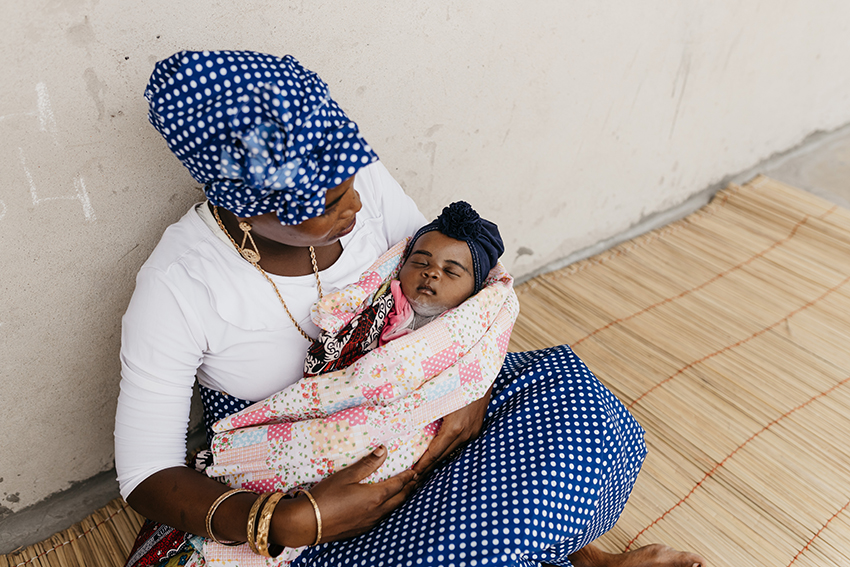
The nutrition baby gets from mom through her diet during pregnancy and while breastfeeding is fuel that drives much of the brain’s early transformation — and it can have lasting effects throughout life. Breastfeeding serves as a child’s first immunization, providing protection from life-threatening infections like respiratory and diarrheal disease. Breastfeeding helps ensure children’s health and survival, providing essential nutrition for growth, resilience and development. Breastfeeding also supports mom’s health, lowering the risk of type 2 diabetes, high blood pressure, and some cancers, including ovarian and breast cancer.
But breastfeeding doesn’t just happen. Those who choose to breastfeed must be supported by partners, families, societies, workplaces, health care and food systems, governments and policies.
Actions for healthier lives
Inequality, poverty, cultural norms and discriminatory practices impact breastfeeding rates. Parents benefit from support from health care providers and lactation counselors to initiate and sustain breastfeeding, but low-income women or those from groups that experience discrimination are less likely to receive it. Paid leave, maternity leave and supportive work environments help sustain breastfeeding — but not everyone has access to them. Good nutrition for women during pregnancy and breastfeeding is essential but not always available. Today, only one in two babies in the world are exclusively breastfed for six months as recommended by the World Health Organization — and in the U.S., it’s just one in four babies.
As a step toward closing the gender nutrition gap, we call on stakeholders to “recognize breastfeeding as integral to the reproductive continuum and essential for healthy nutrition of mother and child.” How can they do this?
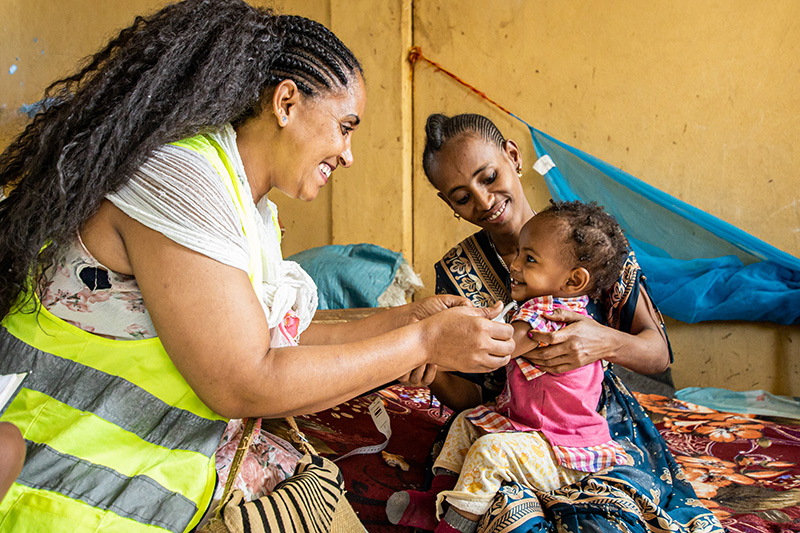
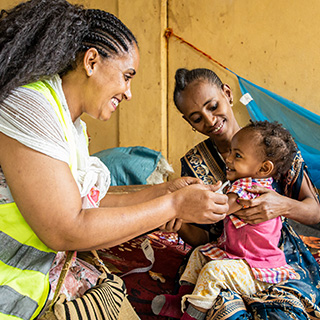
- Lactation counselors help mothers learn how to cope with milk supply issues, position their babies, support their babies to latch, and more. Women who meet with lactation counselors are more likely to breastfeed. But while there are over 37,000 lactation counselors around the world, more than half of them are in the U.S. Governments, funders and the private sector must develop regulations and programs to globally expand access to quality breastfeeding counseling before, during and after childbirth.
- Paid leave and breastfeeding-friendly workplaces contribute to healthier outcomes for babies and families, helping women breastfeed more successfully and for longer periods. But in 64 countries, maternity leave is shorter than the International Labor Organization’s 14-week minimum, and only 42 countries guarantee the right to nursing facilities at work. Governments and the private sector must adopt family-friendly policies, including maternity protection policies, to support a mother’s ability to breastfeed in the formal and informal sector.
- During crises, people can experience limited privacy and space, poor sanitation, and emotional distress — all of which can make it difficult to breastfeed. Dedicated infant and young child feeding funding, policies and programs are essential. But fewer than one in four countries are adequately supporting infant and young child feeding during emergencies. Governments, development partners and UN agencies must develop or strengthen national policies and guidelines for infant and young child feeding in humanitarian contexts to protect breastfeeding in the face of emergencies.
The world’s mothers and children deserve better. By taking steps to close the gender nutrition gap — and supporting mothers who can and want to breastfeed with the policies, information and care they need to do so — we can help build healthier futures around the world.