












After more than a decade in which only one pre-exposure prophylaxis (PrEP) option — a daily pill — was available to prevent acquiring HIV, several new PrEP products are entering the scene.
New formulations, including the dapivirine vaginal ring (PrEP ring) and injectable cabotegravir (CAB PrEP), are being introduced through implementation studies and national rollout. Twice-yearly injectable lenacapivir will soon be added as well, given remarkable clinical trial results demonstrating its efficacy.
But a big test is ahead for these formulations: Will they be introduced in a way that is accessible, acceptable and affordable to those who need them most?
Research implications for the real world
A flagship study called CATALYST (Catalyzing Access to New Prevention Products to Stop HIV), led by FHI 360 and conducted in collaboration with local partners and ministries of health, is the largest implementation study of new PrEP product introduction of its kind.
This five-country study gives early insight into what it takes to make multiple PrEP products available and improve PrEP uptake. It is part of the MOSAIC (Maximizing Options to Advance Informed Choice for HIV Prevention) project, which is supported by USAID and PEPFAR.
During CATALYST’s Stage I, women at PEPFAR delivery sites in Kenya, Lesotho, South Africa, Uganda and Zimbabwe were offered the choice of oral PrEP or PrEP ring. The study is ongoing and now in Stage II, in which women are also being offered injectable CAB PrEP.
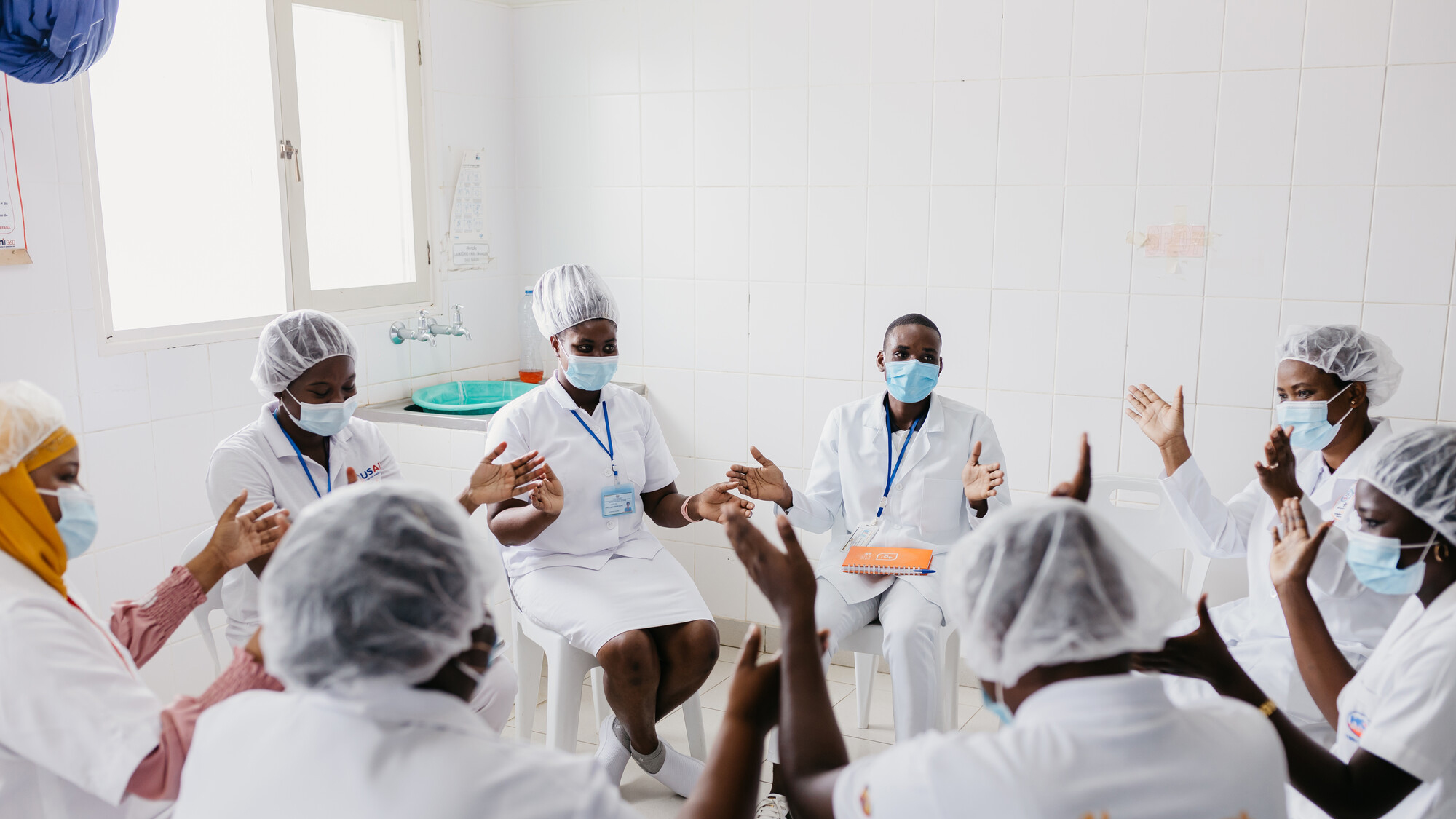
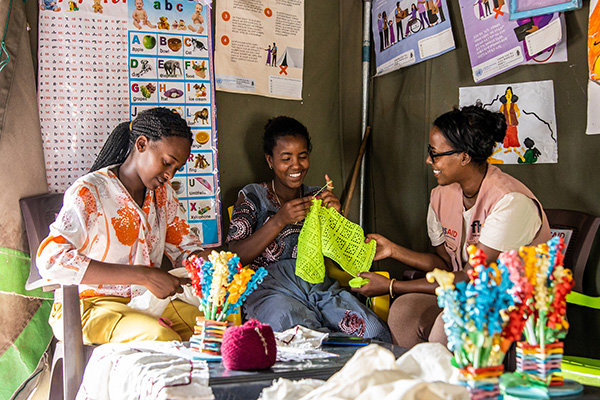
The study’s 28 sites are diverse — ranging from hospitals to small community-based clinics to key-population-led drop-in centers — and based in urban, peri-urban and rural settings. All of them are finding ways to deliver quality PrEP services involving multiple products.
Early Stage I results show that it is feasible to deliver multiple PrEP options in existing public health PrEP delivery sites in Africa and that providers are generally positive about offering PrEP product counseling. The opportunity now is to take the learnings from CATALYST and use them on a much larger scale.
Catalyzing PrEP access and use
First, both the familiar daily oral pill and the new PrEP options need to be available in sufficient quantities. Early results from CATALYST indicate that expanding the PrEP market brings new and former PrEP users into the fold.
Next year’s PEPFAR Country and Regional Operational Planning period is the ideal opportunity for ensuring sufficient supply of each product. Other mechanisms such as the Children’s Investment Fund Foundation (CIFF) and the Global Fund can also be leveraged to provide PrEP products.
Procurements should not abandon tried and tested PrEP options just because there are new products available. Women who had used oral PrEP in the past were more likely to try the PrEP ring than those who had never used PrEP. That said, many women still chose to use oral PrEP, suggesting we need to continue to support its scale-up and use.
In CATALYST’s Stage II, women are also being offered injectable PrEP, so we will learn how a mix of three PrEP methods changes usage patterns. Continuous study of client preferences and behaviors will allow national prevention programs to adapt in real time.
Equally critical is education and counseling so that patients can select the best prevention option for their lifestyle. Surprisingly, many CATALYST participants had not heard about PrEP prior to enrolling in the study. Adequate time and resources should be dedicated to generating demand for PrEP and training health providers on new PrEP products and how to offer informed PrEP choice counseling.
Different products will work for different people. Despite its modest efficacy, some women in the CATALYST study chose the PrEP ring, and those who chose the ring tended to use it for longer periods as compared to oral PrEP.
If we are to reach global HIV epidemic control, people must be able to choose a PrEP product that works best for them. This is especially true for those who are most at risk of exposure to HIV, such as adolescent girls and young women in eastern and southern Africa, who account for 60% of all new HIV infections there.
To help facilitate this, researchers and implementers must share what we are learning in real time. Countries are introducing new PrEP products, or planning for them, now. Policymakers and program implementers need information and guidance to optimize rollout of a multimethod PrEP market and accelerate access at scale.
If funders procure sufficient and diverse product types of PrEP, and governments and implementing partners introduce them in a way that is accessible, acceptable and affordable, PrEP will truly live up to its promise.