

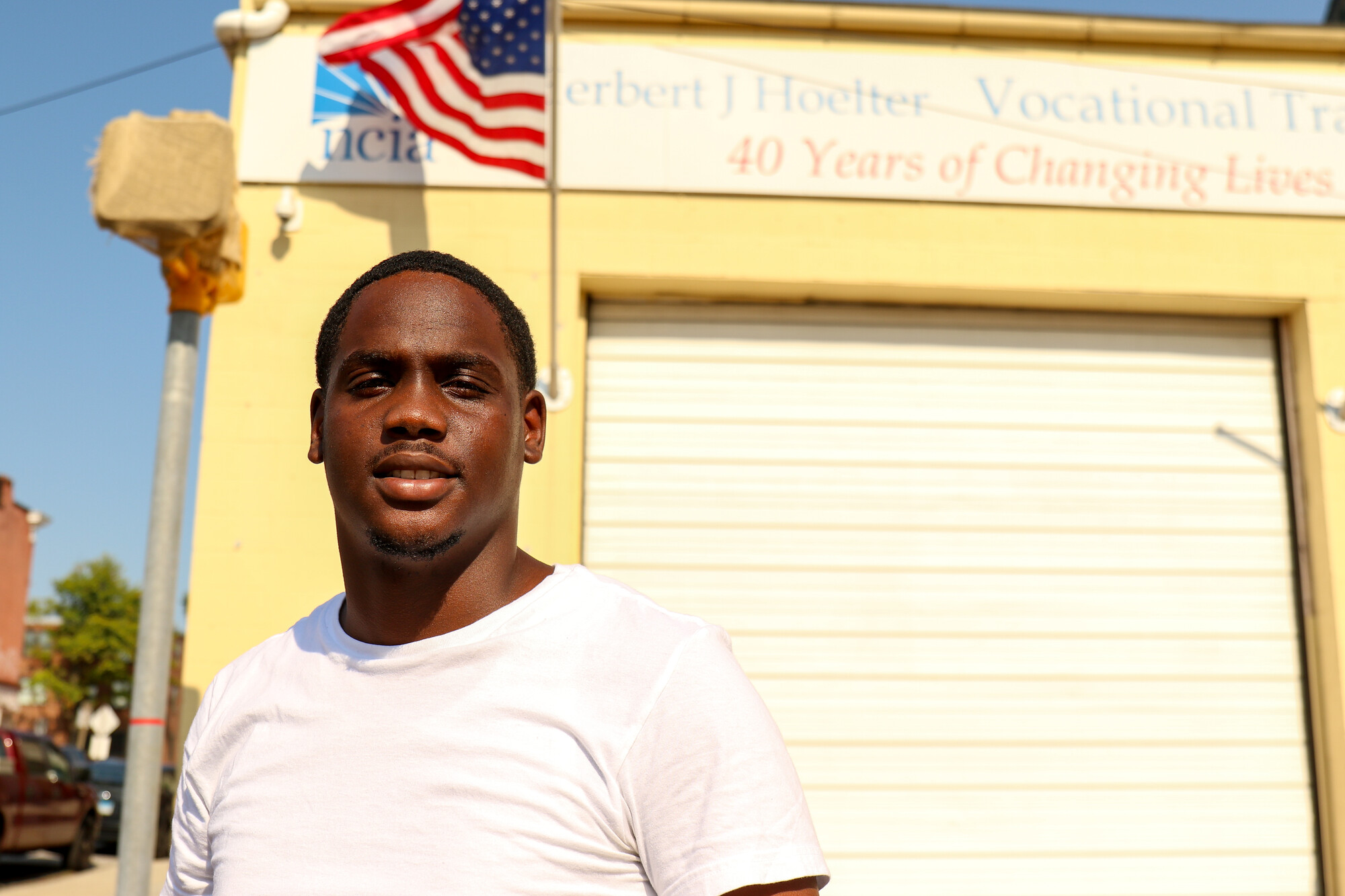



More than 650,000 people are released from state and federal prisons each year, and they can face significant challenges finding housing, employment and a welcome in their communities. For young people, encountering these obstacles is particularly devastating. Without access to opportunities to build skills for employment, and in the face of social stigma, young people are being set up to fail and may have limited choices other than to recidivate to survive.
The U.S. Department of Justice’s Office of Justice Programs recently announced more than $17 million in awards to support a continuum of care approach to address youth justice and advance community safety. The grants will support 23 U.S. state and local sites in advancing a holistic, community-driven approach that leverages local insights and addresses youth needs through mentoring, after-school programs and other prosocial activities.
How can policymakers and communities cultivate a continuum of care to ensure everyone can get a real second chance? Here are some ideas:
-
The best second chance is a first chance.
By far the best outcome for any young person is not to enter the justice system to begin with. States and municipalities need better data on the factors that contribute to a person’s early involvement in illegal activity. With the right indicators, policymakers, communities, families and school systems can do a better job of anticipating challenges. They can also allocate funds and resources to effective programs, such as family support and mentorship, that the evidence already shows provide better options for young people. Supporting young people early and often is key.
-
Include incarcerated and formerly incarcerated individuals in plans to reduce recidivism.
Young people who have experienced reentry following incarceration know best what kind of support they need to ease their transition back to community life and keep them from returning to the system. Hiring people with lived experience of incarceration and reentry to shape policy and programs at all levels adds a vital perspective to prevention, intervention and reentry programs.
-
Start early with training and education, and don’t stop.
The programs that work best — education, job training, mentoring, counseling and career pathways — should begin immediately upon a person’s arrival to prison or jail. There should be flexibility to align options with local labor market needs. When one phase of education — a GED, for example — is completed, additional options — such as community college, vocational classes or four-year college courses — should be made available. Not all states and communities provide these supports equally, but those that do increase employability, which is proven to reduce vulnerability to recidivism.
-
Improve access to services and facilitate the transition to employment.
Following reentry, young people in particular need a path to employment. Programs that include legal and educational services as well as work-readiness sessions and job placement have proven to be particularly effective. Of the more than 1,500 young adults (ages 18 to 24) in FHI 360’s partnership with the Compass Rose Collaborative between 2017 and 2020, just 2% were convicted of a new crime a year post-release (nationwide, 43% of formerly incarcerated individuals were rearrested within one year as of 2023). This project — which was funded by the U.S. Department of Labor and worked with nine community partners across 10 states — helped participants to enter the workforce or college and offered programs that provided housing, food, transportation and counseling. Most impactfully, a caring adult guided them through all aspects of their reentry plans. Emerging public-private partnerships have the potential to help young people secure documents needed to start work even before release, promising a swifter transition to employment.
In the United States, nearly one in three adults has a criminal record, meaning that almost every American knows someone who has been involved in some way with the justice system. The above strategies offer states, municipalities, organizations and our communities practical and promising ways to contribute to second chances for our neighbors, loved ones, friends and young people. Working smartly and collaboratively, we can ensure that more people who have been involved with the justice system — especially young people — have the tools, resources and support they need. Let’s offer them a second chance to thrive.