


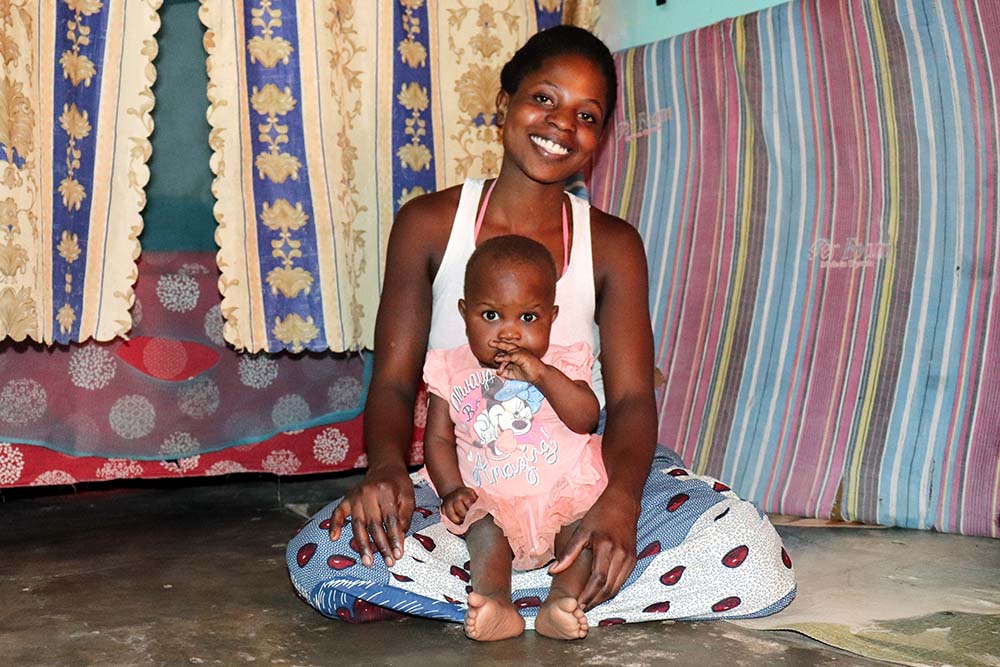
When baby Troy was 8 months old, he was so malnourished that he was on the brink of death.
He weighed under 7 pounds. He was not sleeping, day or night, and his mother, Aisha, had no idea what was wrong.
“We did not know why he was crying, and we did not know it was an illness,” says Aisha. “All we thought was that he was bewitched.”
There is very little awareness around malnutrition in the underserved communities of Kampala, the capital city of Uganda. Many parents, Troy’s included, do not know how to recognize the signs. Symptoms of malnutrition — such as weight loss, swelling and skin changes — are often believed to be a sign of evil in Mbuya, the suburb where Troy’s family lives.
Out of desperation, many families turn to traditional remedies hoping to find a cure. Aisha was no different. Under mounting pressure from concerned neighbors, she tried to help Troy by “boiling potions” for him to drink. His condition only got worse.
“His belly often made noise and it was swollen,” she says. “He was always vomiting. His chest bones were very visible. When he was hungry, there was no way to stop his crying. It was terrible.”
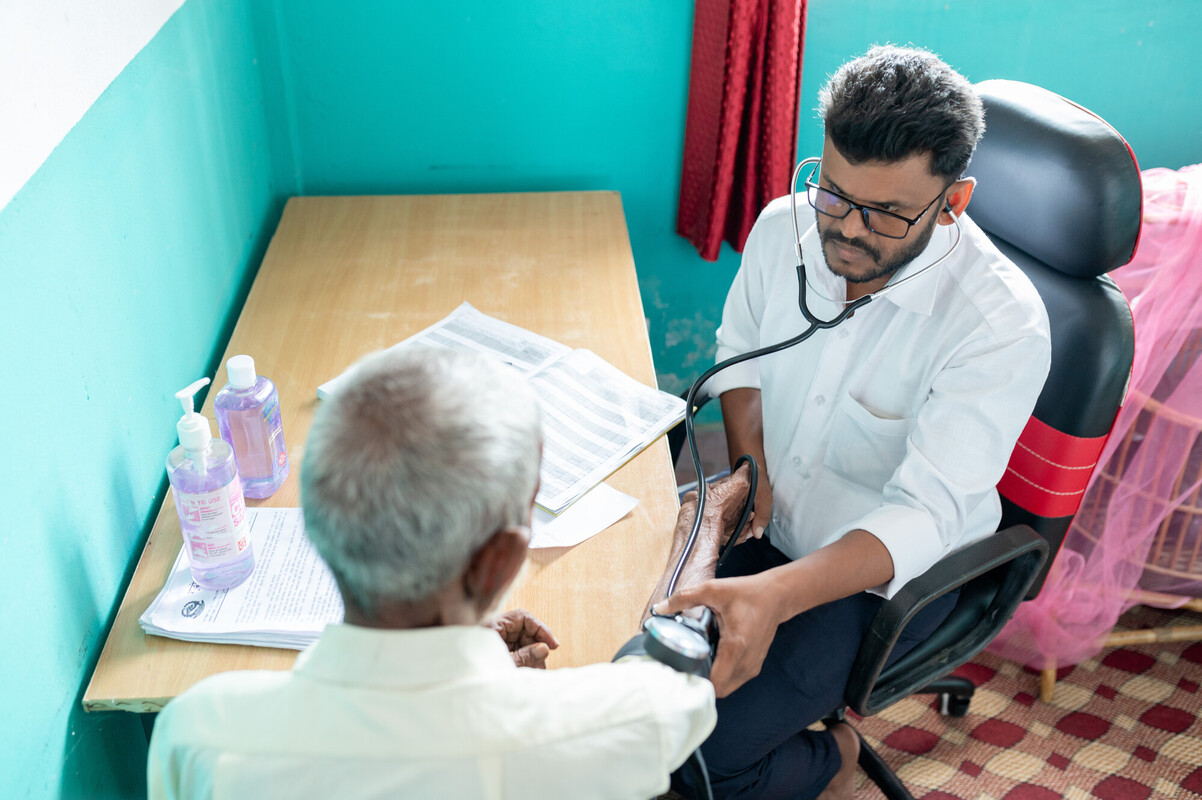
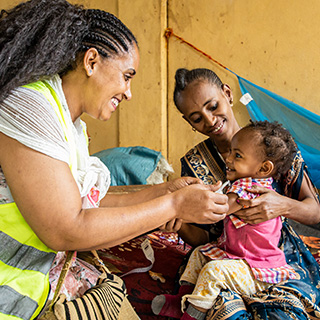
After five months of struggling to find a solution, Aisha took Troy for a checkup at a local health clinic, where he was seen by a community nutritionist deployed under the Uganda Maternal and Child Health and Nutrition Activity (“USAID MCHN”), which is funded by the U.S. Agency for International Development and implemented by FHI 360.
“At the clinic, I was helped a lot,” says Aisha. “I was shown how Troy was sick — that he was malnourished.”

Troy’s case was severe. After an initial assessment, the nutritionist advised Aisha to take Troy to a dedicated nutrition unit at the national referral hospital in the city. There, Troy was admitted for inpatient care and diagnosed with tuberculosis — the underlying cause of his malnutrition.
Tuberculosis is one of the world’s most deadly infectious diseases. It spreads easily from person to person through tiny droplets in the air. In Uganda, 15% of cases of tuberculosis occur in children 14 years and under.
Troy was quickly put on a tuberculosis treatment regimen and given ready-to-use therapeutic food, which is nutrient-dense and used to treat acute malnutrition in children under 5.
Troy is one of tens of thousands of babies in Uganda enduring the crippling and life-threatening effects of malnutrition. In Uganda, nearly one-third of children under 5 are stunted (the World Health Organization defines stunting as low height-for-age resulting from chronic or recurrent undernutrition). USAID MCHN works in collaboration with the Uganda Ministry of Health to improve maternal and child health and nutrition outcomes by strengthening service delivery systems at national, sub-national and local levels.
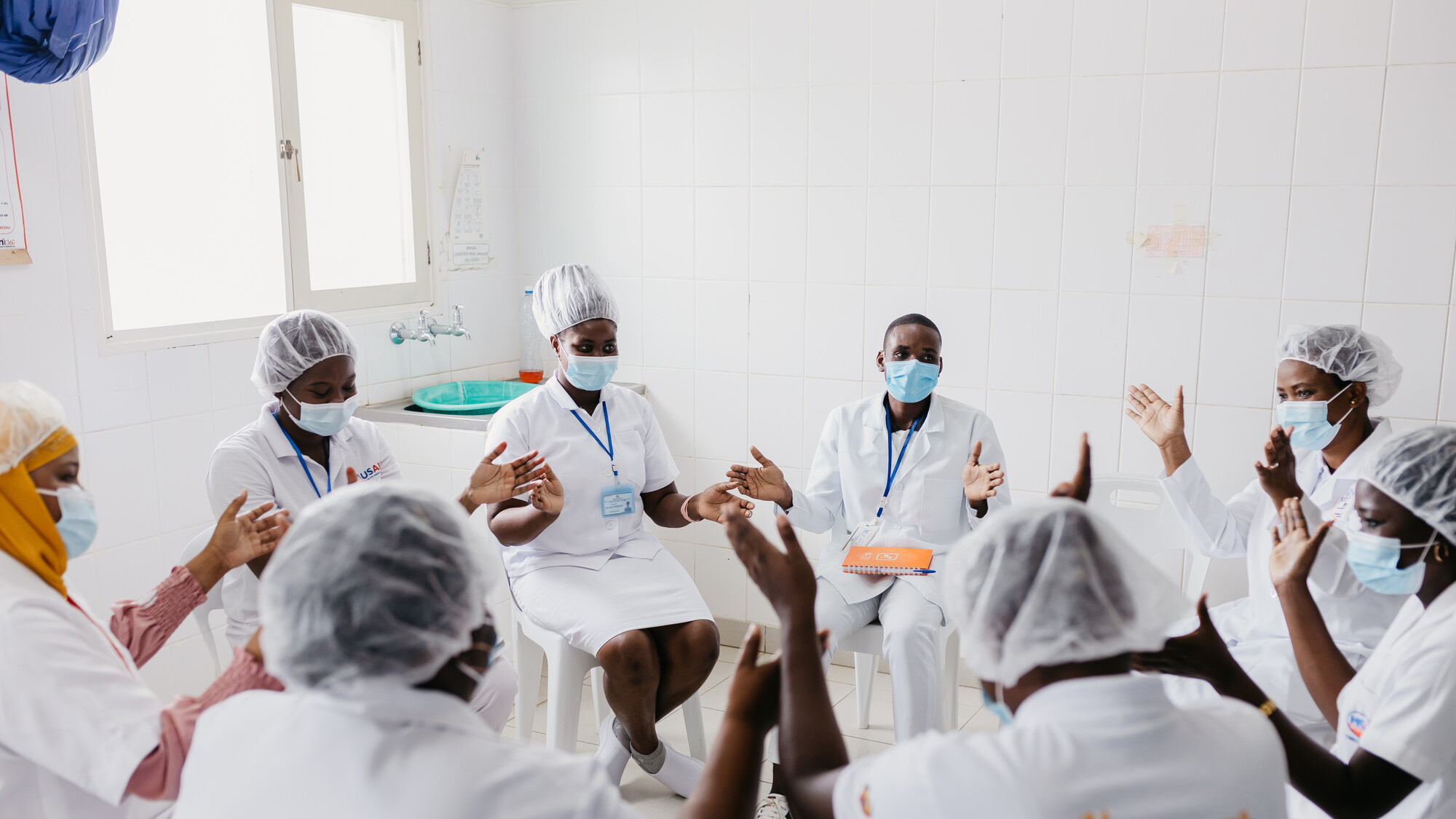
Since 2020, FHI 360 has provided technical assistance to various government structures that coordinate implementation of maternal, newborn and child health and nutrition programs in public and private health care facilities in Kampala. Part of this work has included training community health workers and nutritionists, so they are equipped with knowledge and skills to provide quality nutrition assessment, counseling and support. The project also links people to livelihood programs and psychosocial support to help them address the underlying causes of malnutrition.
Between 2022 and 2023, USAID MCHN helped deliver one or more nutrition interventions to nearly 25,000 children under 5 years old and more than 6,000 pregnant women. Additionally, the project assisted health care facilities and community health teams in conducting home visits for nearly 10,000 households with children under 23 months old. All these project participants live in low-income communities in Kamapala.
For Troy, the intervention reset his chances for a long and healthy life. Over four months in and out of the hospital, he gained about 15 pounds and is now home and fully recovered from malnutrition. At the hospital, Aisha was taught how to prepare nutritious meals for her family. Troy is gaining weight and catching up with other children his age in the neighborhood, and his family recently celebrated his first birthday.
“He crawls and plays, he is recovering rapidly, and [he] sleeps well,” says Aisha.
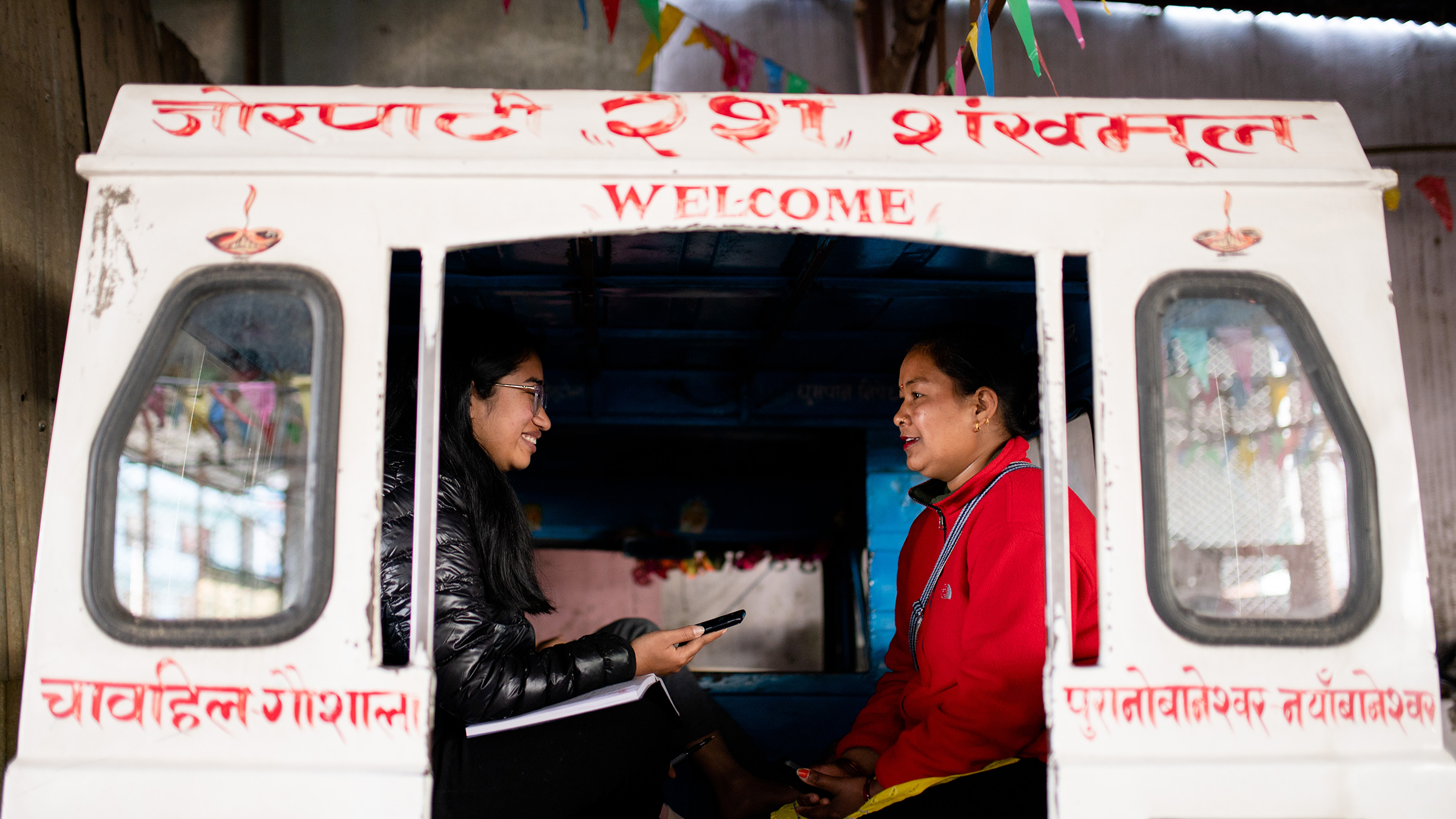
Troy is still on treatment for tuberculosis, and Aisha and her husband have a team of support behind them now. Community nutritionists continue to advise them on what to feed their son and make regular home visits to monitor Troy and make sure he is growing healthy and strong.
“The regular visits during Aisha’s stay in the hospital with her child and subsequent follow-up at her home changed Aisha’s attitude and belief in the treatment her child was receiving,” says Jalia Musa Ssekandi, a community nutritionist trained by FHI 360. “I counselled her on infant and young child feeding and nutrition and offered her practical support. This has helped build her confidence and reassurance that Troy will recover and grow like any other child of the same age.”