Skip to content
FHI 360
  • Languages
  • Low bandwidth
  • High bandwidth
  • Search
  • Who we are
        • Who we are
          • About us
          • Leadership
          • Ethics and safeguarding
          • Impact and financial reports
          • Contact us
        • About us

          Impact and financial reports

  • What we do
        • What we do
          • Economic opportunity
          • Health


        • How we do it
          • Research in action
          • Humanitarian response
          • Digital innovation and AI
        • Explore our expertise
        • Economic opportunity

          Health

  • Where we work
        • Where we work
          • Asia Pacific
          • Central Africa
          • East Africa
          • West Africa
          • Southern Africa
          • Middle East and North Africa
          • Europe and Central Asia
          • Latin America and the Caribbean
          • United States
        • Around the world

          In the United States

  • Work with us
        • Work with us
          • Join our team
          • Local partners
          • Government and multilateral funders
          • Foundations and corporations
          • Academic and research partners
          • Small businesses and vendors
          • CEO position specification
        • Join our team

          Local partners

          Government and multilateral funders

          Foundations and corporations

          Academic and research partners

          Small businesses and vendors

  • News
        • News
          • Newsroom
        • Get the latest news
        • Newsroom

  • Stories
        • Stories & blog
          • Stories
          • Videos (YouTube)
          • Blog
        • Explore our storytelling
        • Our storytelling

          Blog

  • Resources
        • Resources
          • Resource library
        • Resource library

Home | Articles | Sulfa stands against child marriage 
July 26, 2024

Sulfa stands against child marriage 

Many girls around the world are forced into marriage, or a less formal marital union, at a very young age. For Sulfa Wathena, the pressure to marry came at the age of 15. 

“My mother had a friend who knew a man,” Sulfa says. “That man had money.” 

Her mother, Fatima, was insistent she marry this man. It would be immensely helpful for the family — Sulfa’s father had no work, and they had very little money. 

A young woman wearing a yellow headscarf and leopard print dress laughs in front of a pink wall.
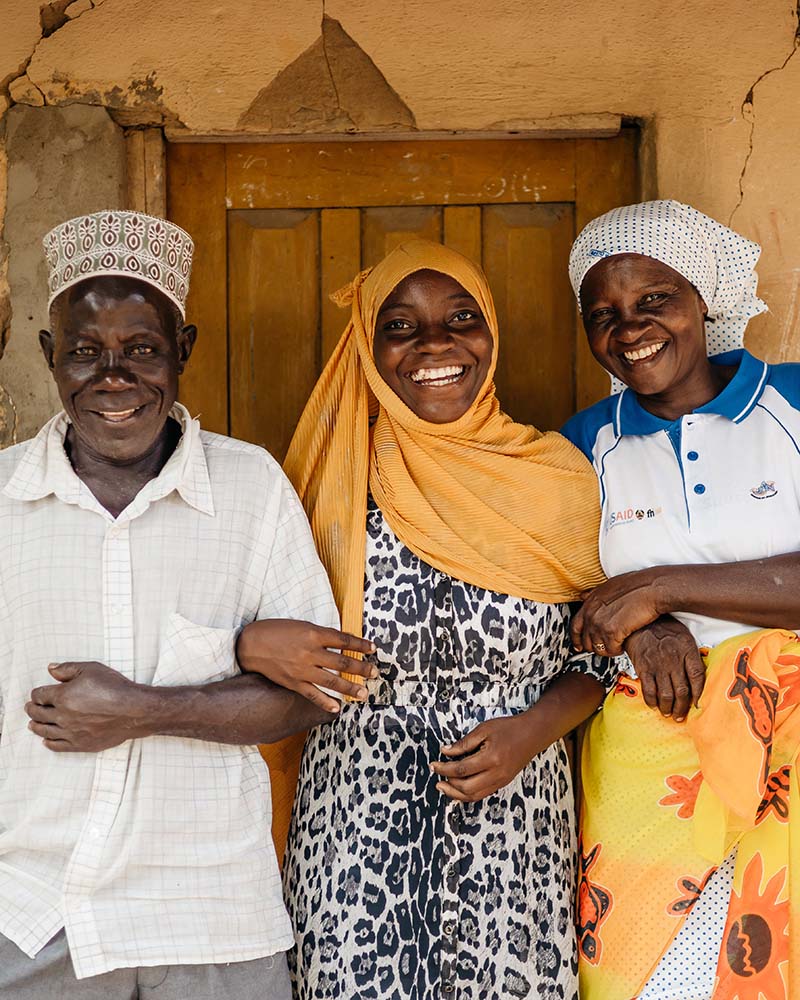
The young woman is linking arms and laughing with her father on the left, and mother on the right.
In the Nampula Province of Mozambique, the Alcançar project works to reduce maternal, newborn, and child mortality. Seventeen-year-old Sulfa WachinaSeventeen-year-old Sulfa Wachina, a health committee member, is with her mother and father in Nanarre, Nacala Porto District. She chose not to get married at 15 and pursued an education.
At left, Sulfa smiles for the camera. At right, Sulfa stands outside her home in Mozambique’s Nampula Province, flanked by her father Muriricho and her mother Fatima.

But Sulfa resisted. She knew she wanted something different for herself, and she chose to commit to her education instead. At first, her mother objected, but her father, Muriricho, supported her decision.  

“My dad said, ‘If she prefers to study, if she doesn’t want to marry, let her continue studying.’” 

Sulfa lives in Mozambique, where 1 in 2 girls are married or in marital union before they turn 18. It is the world’s fifth-highest rate of child marriage. 

For many of these girls, the decision to marry does not feel like a choice, and the risks and tradeoffs are steep. Child marriage puts girls at higher health and economic risk than their unmarried peers. They are more likely to drop out of school and they are at greater risk of early childbearing, which increases the odds of maternal and infant mortality. 

Sulfa says she has had friends die during pregnancy and after childbirth, and one of her friends lost her day-old baby. 

Sulfa was well aware of the risks of child marriage, because she had participated in the Nanare health committee, which is organized by local partners of the USAID/Alcançar project. FHI 360 leads the Alcançar consortium. 

“I said no, I don’t want to marry,” Sulfa says. “I am not prepared to get married, because if I get married, I will have to get pregnant … If I get pregnant, I can lose my own life and lose the child.” 
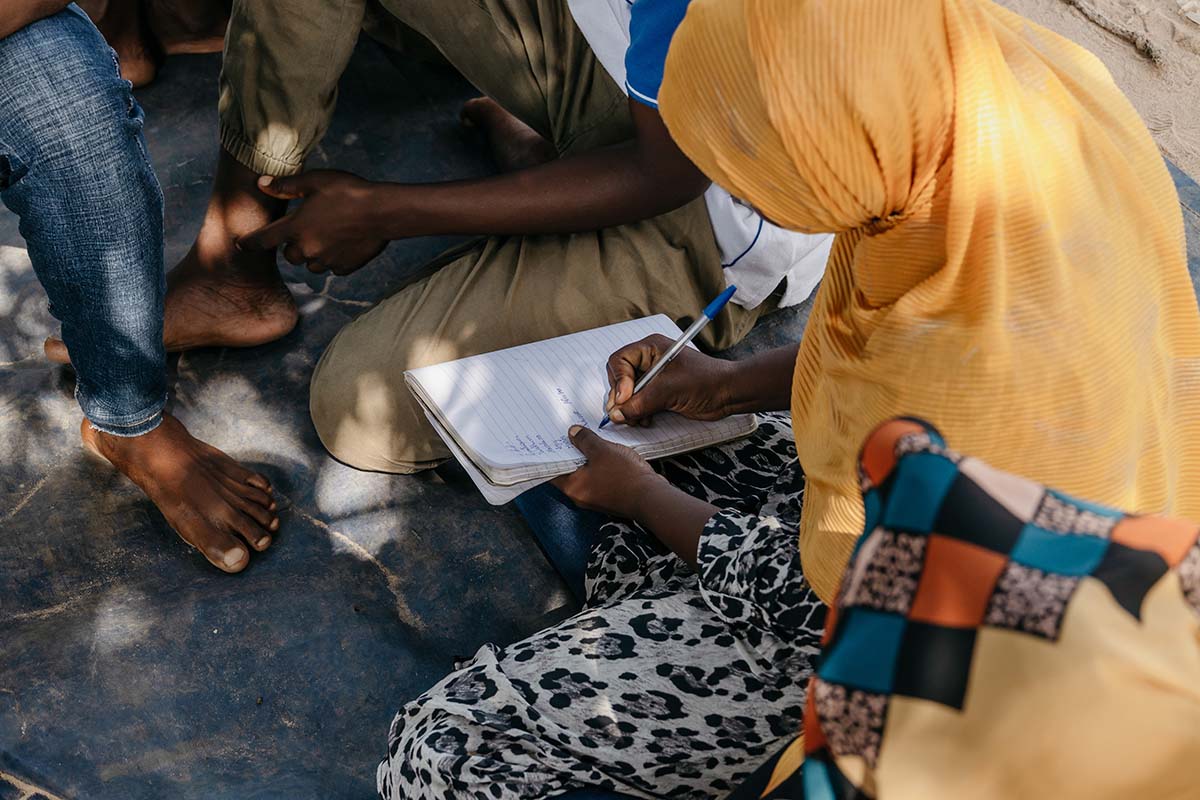
The young woman is seated on the ground in a group of people. She's writing in a notebook.
Sulfa takes notes during a health committee meeting.

Committees for change 

The community health committee that Sulfa is part of was created by the Alcançar: Achieving Quality Health Services for Women and Children project, funded by USAID and led by FHI 360 in collaboration with a consortium of local and international partners. 

Alcançar works to improve health and well-being for women, newborns and children in the Nampula and Zambezia provinces. Supporting community-led health committees to empower young people with information about their health and rights is a critical part of this work.  

Since its start in 2019, the Alcançar project has reached more than 290,000 Mozambican girls and boys, and maternal mortality in 35 participating health facilities has decreased by 64%. 

“We forced our children to marry too young; they were dying,” shares the leader of the Nanare health committee. “Alcançar showed us the advantages of waiting.” 

The young woman is laughing while seated on the ground in a large group.
Sulfa laughs during a health committee meeting.

In Mozambique, of girls ages 15 to 17 who are married or in a marital union, only 10% are still in school. Conversely, 70% of Mozambican girls who have never been married or in a marital union are in school. 

Secondary education provides many benefits for girls to have a healthier, more secure future. The World Bank, for example, states that a secondary school education provides women with higher earnings, an increased ability to make decisions about their health care, and an increase in their decision-making within their household. 

Community-led health committees supported by Alcançar are helping usher in an era of change, encouraging girls like Sulfa to define their own futures. Committees consist of 20 to 30 members including men, women and adolescents. The adult members include community health agents and activists, community and religious leaders, and midwives. 

At meetings, members discuss maternal and child health messages and learn how to disseminate the information to their families, friends and neighbors. Sulfa says she feels honored to share what she’s learned with younger adolescents, assisting them with counseling and referrals. 

“I like to help other people and advocate for the services that I learned about from Alcançar,” she says. 

Today, Sulfa is nearly 18 and the first person in her family to enroll in post-secondary education; she’s studying to be a nurse through a mid-level program. She’s embracing her identity as a dedicated student, daughter and friend.  

Sulfa’s father Muriricho believes that her drive for education, both through the Nanare community health committee and her desire to attend university, is a benefit to their entire family. 

“We cannot have all the family sleeping without knowledge,” he says. 

Now, Sulfa will live a future of her own choosing — and get married only when she’s ready. 
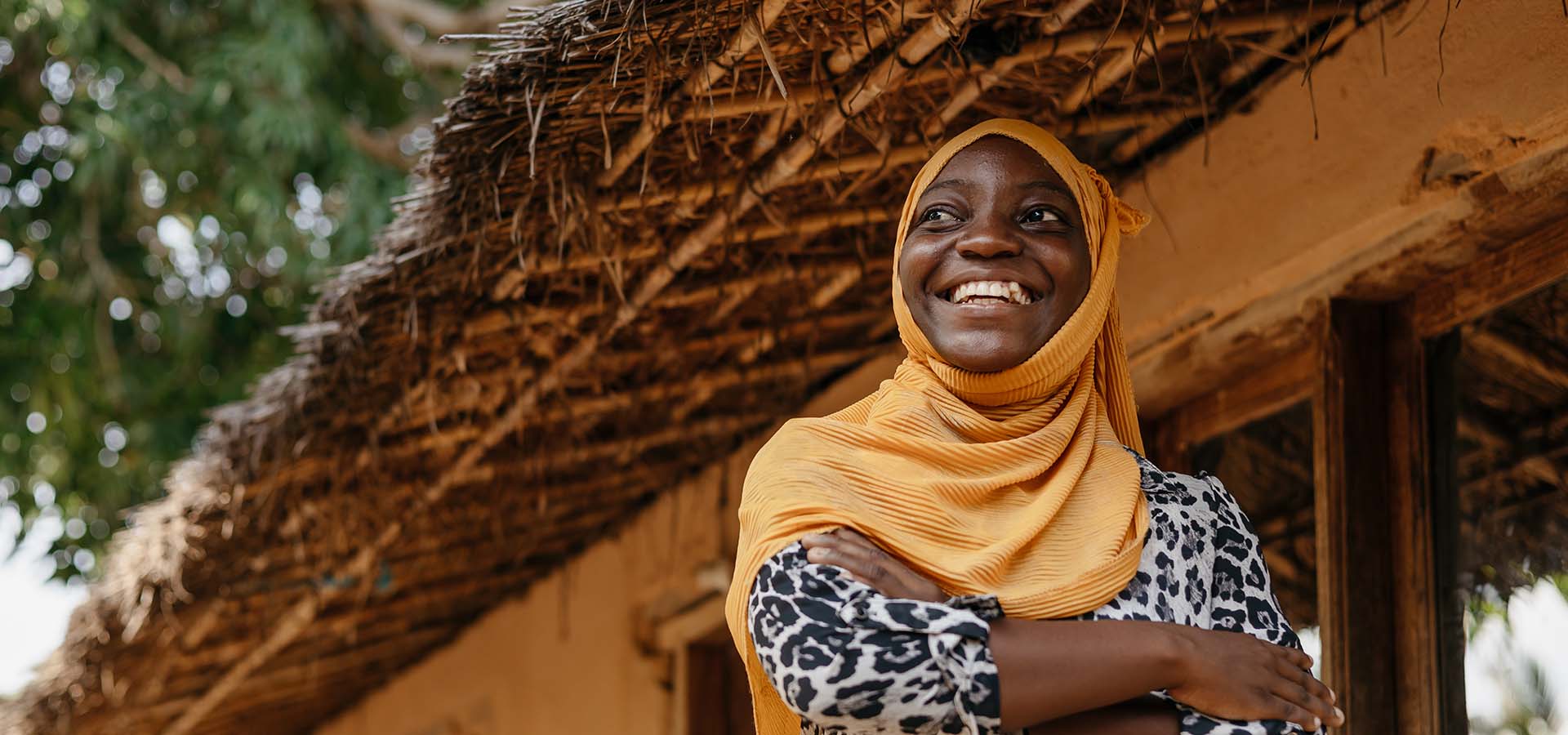
A young woman in a yellow headscarf laughs while standing under the awning of her home.


All photos are credited to Mbuto Machili for FHI 360.

Share article
Back to top

Related articles

News
New AI chatbot aims to boost teacher pedagogical support
May 11, 2026
News
Why more employers are turning to apprenticeships — and seeing results
April 24, 2026
News
Investing in hope: How Nigerian women are building economic opportunities
April 16, 2026
FHI 360

We are a nonprofit organization that mobilizes research, resources and relationships so that people everywhere can access the opportunities they need to lead full, healthy lives.

  • Partner with us
  • Business opportunities
  • Contract mechanisms
  • Small business
  • Our FHI 360 network
  • Events
  • Employee access
  • Contact us
  • Press
  • Privacy notice
  • Ethics and safeguarding

FHI 360 Headquarters
359 Blackwell Street, Suite 200
Durham, NC 27701 USA
1.919.544.7040

Washington, D.C., Office
2101 L St NW, Suite 700
Washington, DC 20037 USA
1.202.884.8000

Anti-trafficking statement

Connect

Sign up for our mailing list and receive the latest updates from FHI 360 straight to your inbox!

  • LinkedIn
  • Facebook
  • X
  • Youtube
  • Instagram

FHI 360 is the registered trade name of Family Health International.

©2026 FHI 360

We are using cookies to give you the best experience on our website.

You can find out more about which cookies we are using or switch them off in .

FHI 360
Powered by  GDPR Cookie Compliance
Privacy overview

This website uses cookies so that we can provide you with the best user experience possible. Cookie information is stored in your browser and performs functions such as recognising you when you return to our website and helping our team to understand which sections of the website you find most interesting and useful.

Essential cookies

Essential cookies should be enabled at all times so that we can save your preferences for cookie settings. However, they can be enabled or disabled using the button below.

Non-essential cookies

This website uses Google Analytics to collect anonymous information such as the number of visitors to the site, and the most popular pages.

Keeping this cookie enabled helps us to improve our website.