
Sexual violence as a weapon of war has been pervasive in conflicts throughout history, and it was widely documented in the recent civil war in northern Ethiopia. Survivors of conflict-related sexual violence often have serious physical and mental health needs but may delay or avoid reporting the abuse or seeking medical care for it due to stigma around their experience.
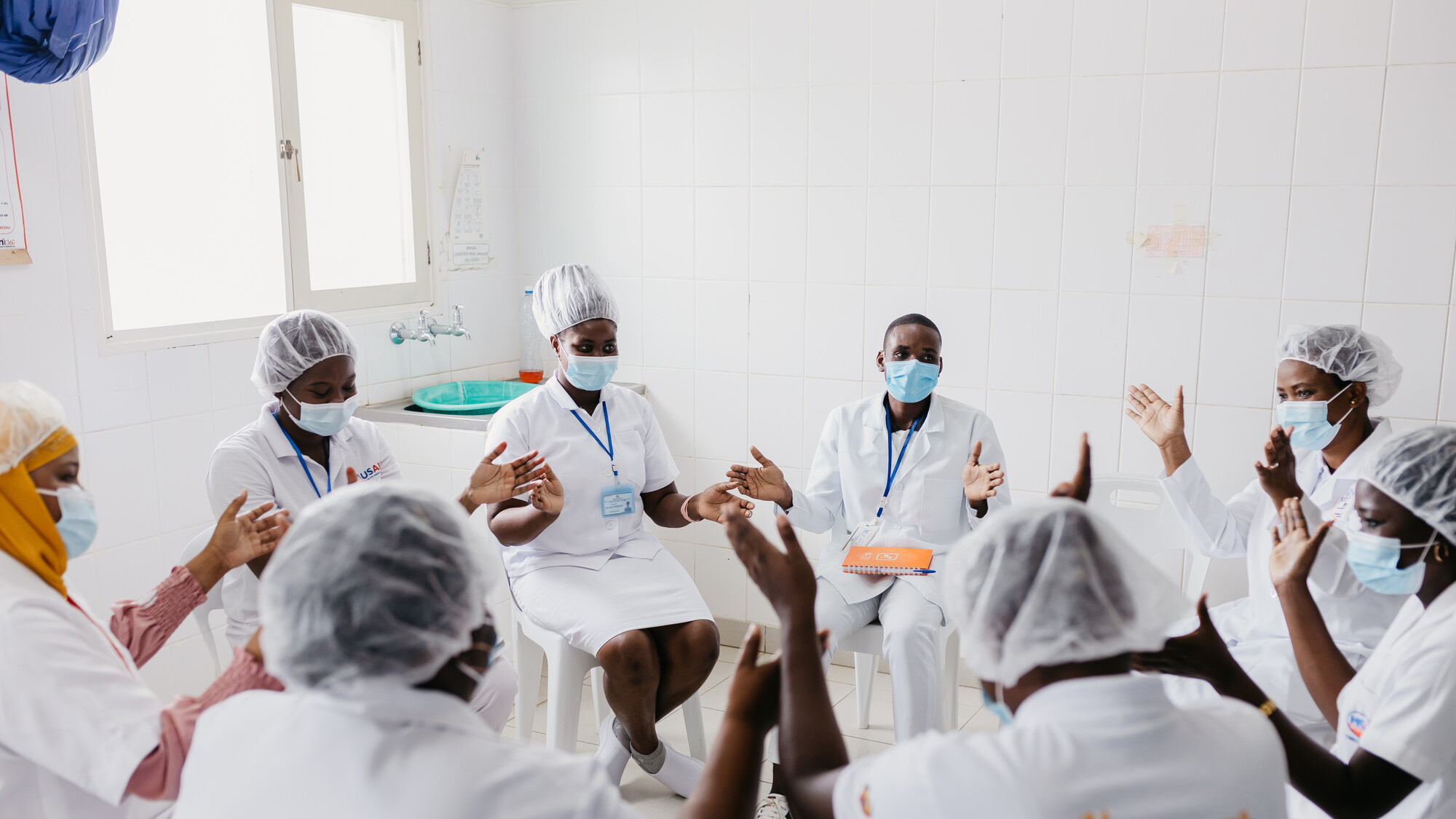
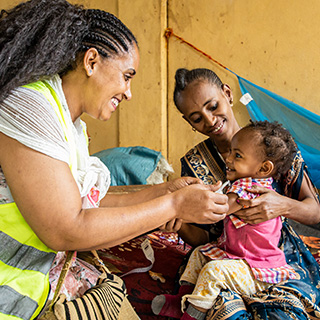
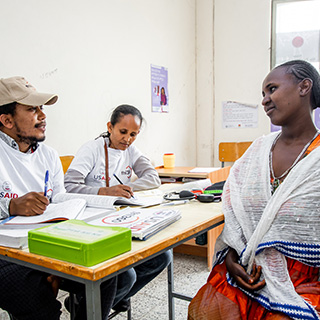
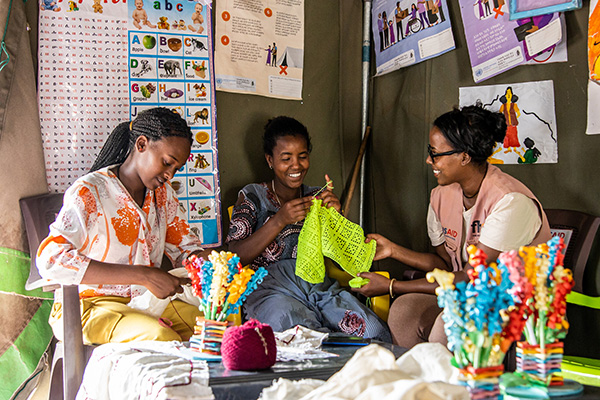
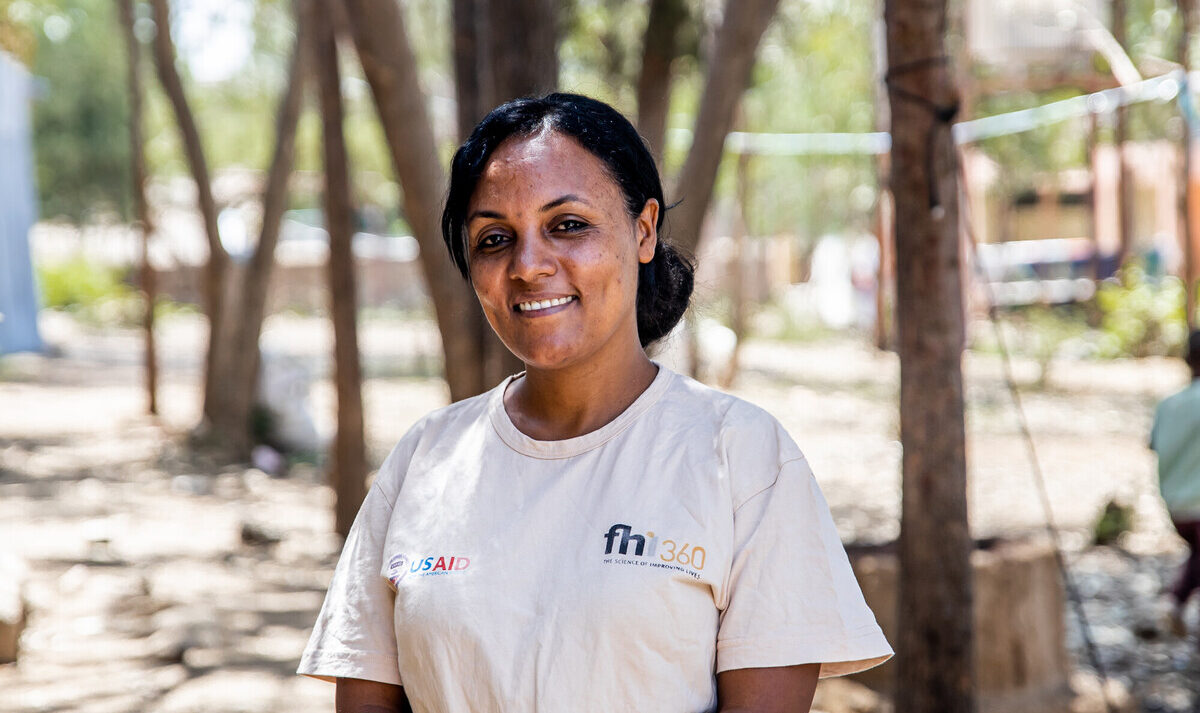
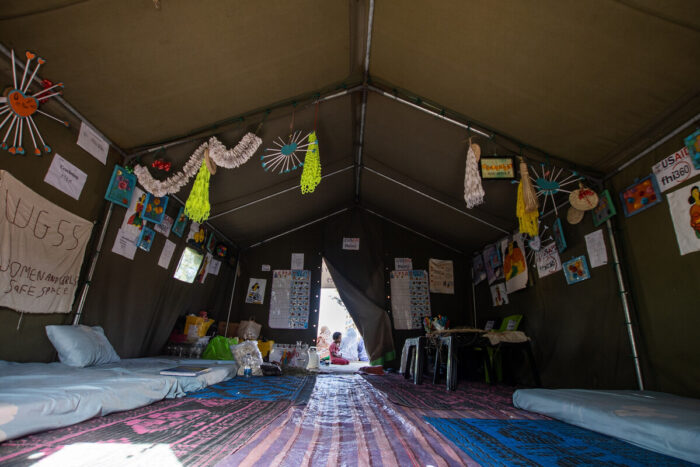
FHI 360 Case Manager Zafita Gebreezgabiher, a former judge, supports survivors of sexual violence at a space in a displacement camp in the Tigray region, fighting stigma and connecting survivors with a full range of care services. Here, she shares her experience.
What services do you offer, and what do the women you work with need?
We provide psychosocial support, emergency cash assistance, dignity kits and referrals to nongovernmental partners for medical, legal, safety, child protection and other services to help people get back to their previous lives.
The magnitude of the problem is huge, and we’re trying to manage that. We’re trying to help [survivors] heal — psychologically, mentally — and solve their health problems.
Most survivors are internally displaced, and they have no one to support them. They have children, but they can’t feed them. They need support — and not only one-time support, but ongoing support.
Does a woman’s status as a survivor make it more difficult for her to support herself and her children?
Yes, this makes it more difficult for women to support themselves and their children because the incident can cause severe physical injury, pregnancy, and exposure to HIV, sexually transmitted infections and other chronic diseases. Survivors are frequently blamed, ostracized or subjected to further violence, leaving them at risk of poverty.
There’s a problem at the household level. The breadwinner is always the husband. When a husband knows that his wife is a survivor, he’ll often divorce her — and the burden of raising a child is shouldered by the woman. She’s left alone. If they fled here from their homes, they are living in schools and have no resources. Before the crisis, they were living on their own land. They had farmlands and businesses. Here they can’t start a business, because they need initial capital. This is the biggest challenge we face in terms of getting survivors back to their previous lives.
We’re doing everything we can do. We spread awareness that it’s not their fault that they were divorced. We treat them and we protect them so that they don’t despair and don’t give up.
Is there a lot of stigma around someone’s status as a survivor of sexual violence?
There is a stigma, but we are working on awareness and prevention.
If a woman is known as a survivor by the community, they call them “a leftover” or other such insults. They are not treated normally. They are treated as guilty. The community thinks it’s their fault.
To change this, we are exerting maximum effort. Me, for example, I give psychosocial support. I tell them it’s not their fault. If they are deeply hurt, if the effort is beyond me, I refer them to a psychiatrist at [the] hospital.
Is it difficult for women to seek services?
It can be difficult for women to come forward because of concerns about confidentiality. But once I inform them it’s confidential, then they’re happy — and they bring other people as well.
You mentioned prevention and changing perspectives. How do you change the perspective of a whole community?
We involve everyone in discussions to create awareness. When we hear about something happening in the camp, we call for discussions and invite all men, not [just] those who have divorced their wives or those who discriminate. I believe that through discussions, things can change.
What is the most satisfying part of the work that you do?
When survivors first approach us, they are very sad and worried, with heavy hearts. They come to me and say, “I’m here to share with you because I want someone who I trust. I want to share something, and I want to get it off my chest.” Through our support — psychiatric support and other support — they leave smiling and say, “I feel relieved.” This is the biggest payment and the most satisfactory part of my job.
Are you seeing any changes? Do you see a prospect for healing?
I see a lot of changes in the survivors. They were in states of trauma, most of them, and through our treatments, they’ve changed — except some survivors who have difficult medical cases.
There has also been a change in the community in terms of discrimination and stigma. If a survivor was insulted, like I mentioned, after I create awareness among men, they come back to me and say, “Those guys said ‘sorry’ to me. They’re not insulting me.” These are signs of change.
The Integrated Services for Humanitarian Implementation – Northern Ethiopia is funded by USAID’s Bureau of Humanitarian Affairs.