
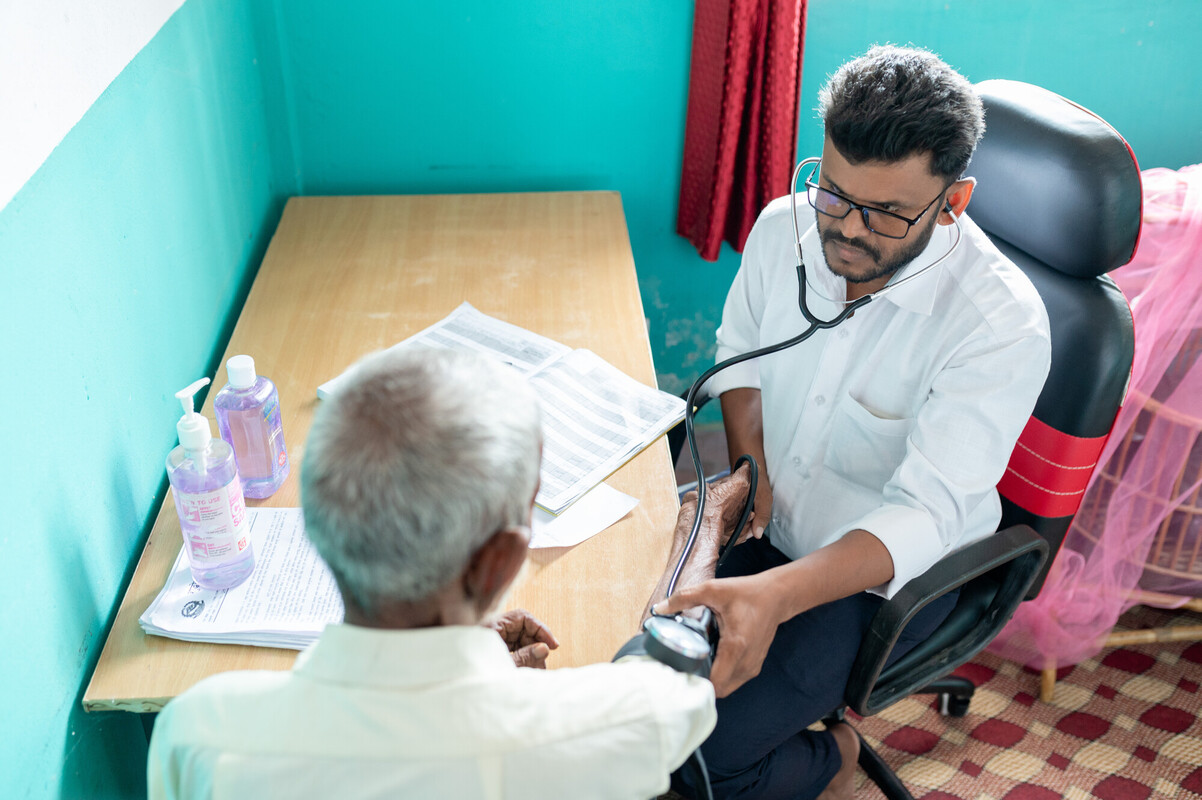

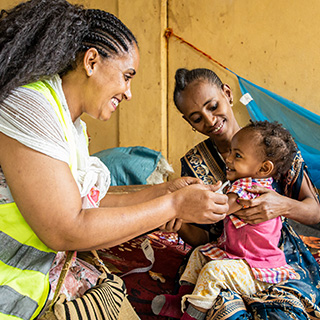

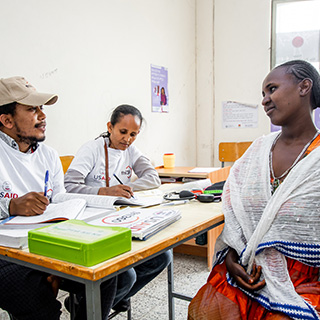

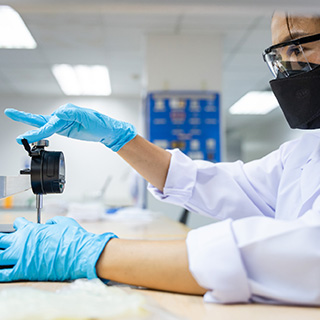
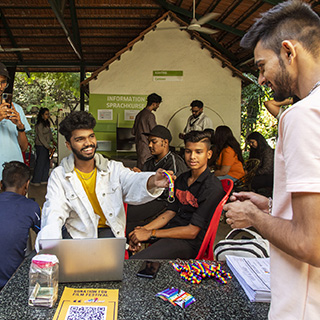
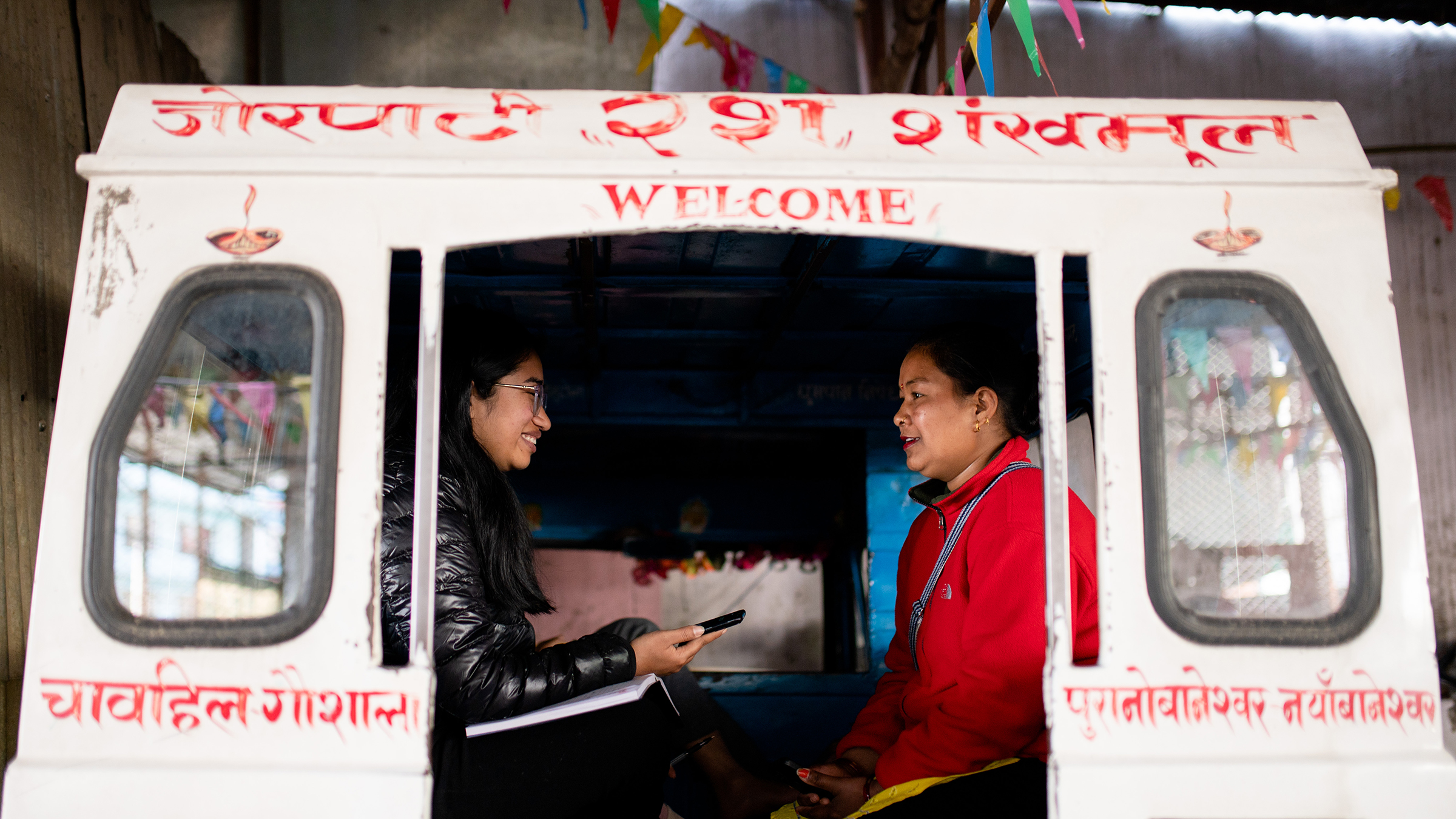
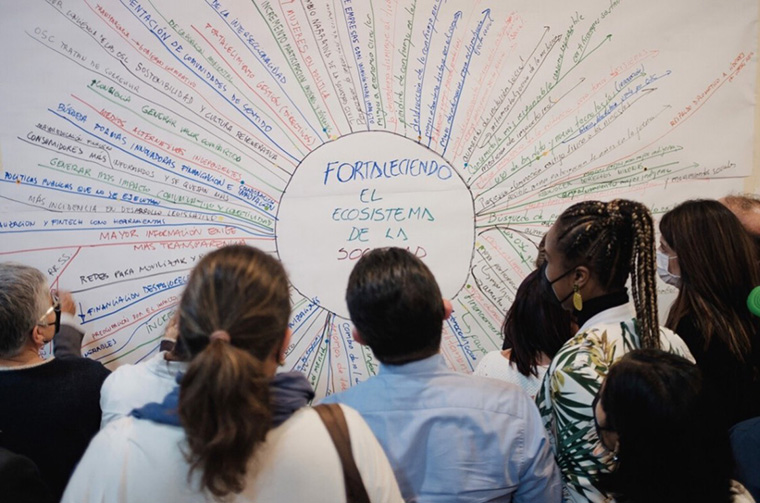
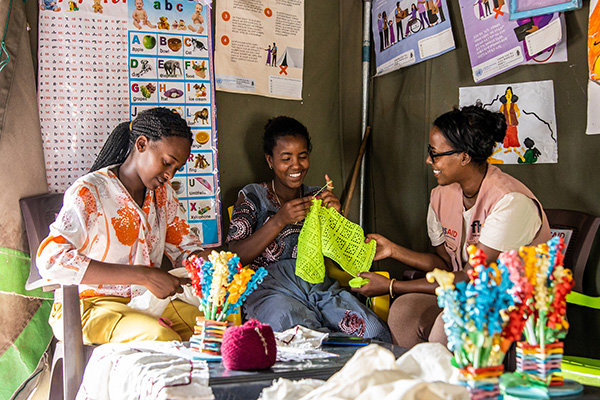

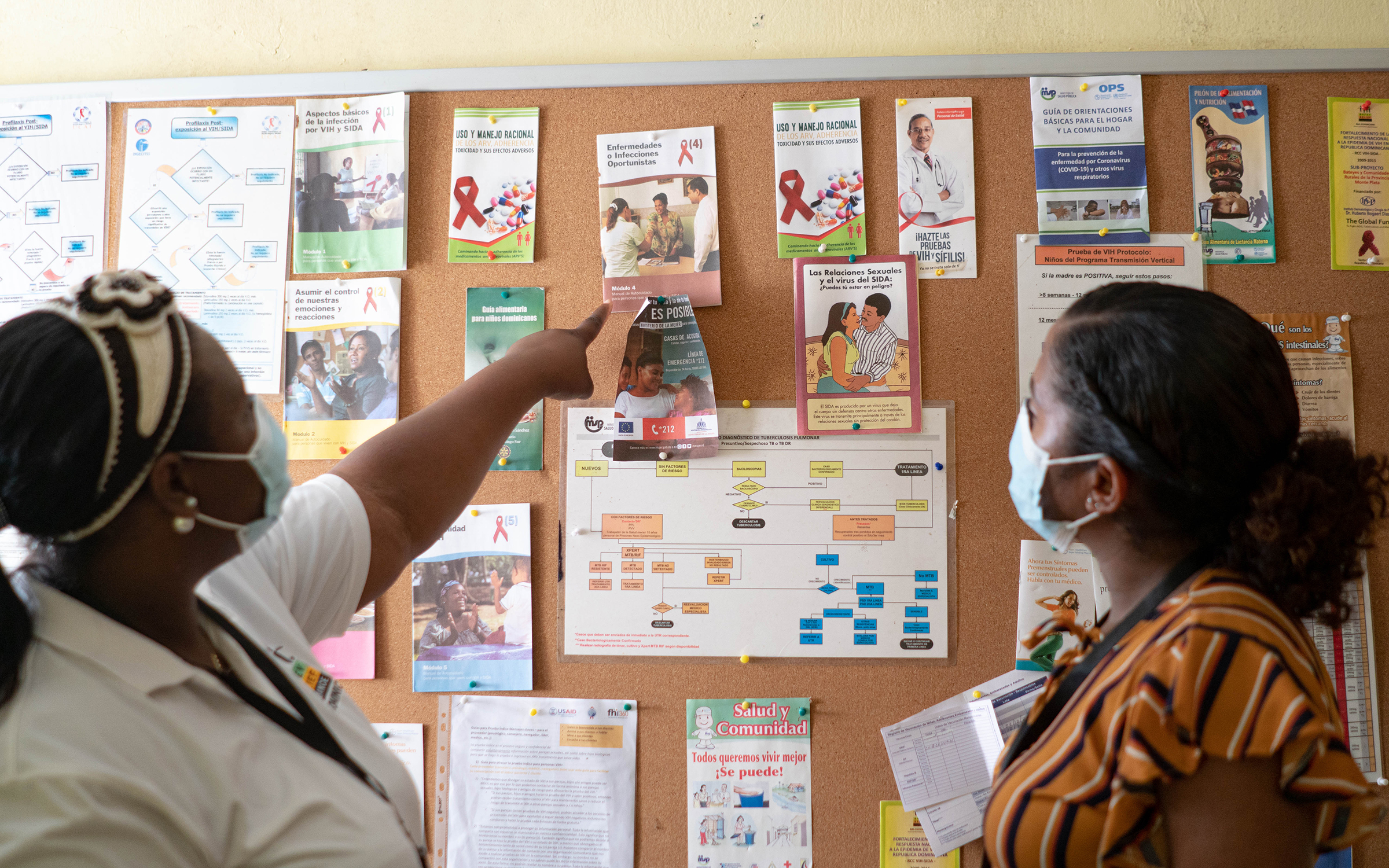

FHI 360 has worked with the government of Liberia and local organizations to strengthen Liberia’s education system, promote peace through media and storytelling, and improve economic security. We use our expertise and advance local leadership, knowledge and priorities to strengthen clinical research systems, prevent and treat HIV, control neglected tropical diseases (NTDs), and improve education outcomes.
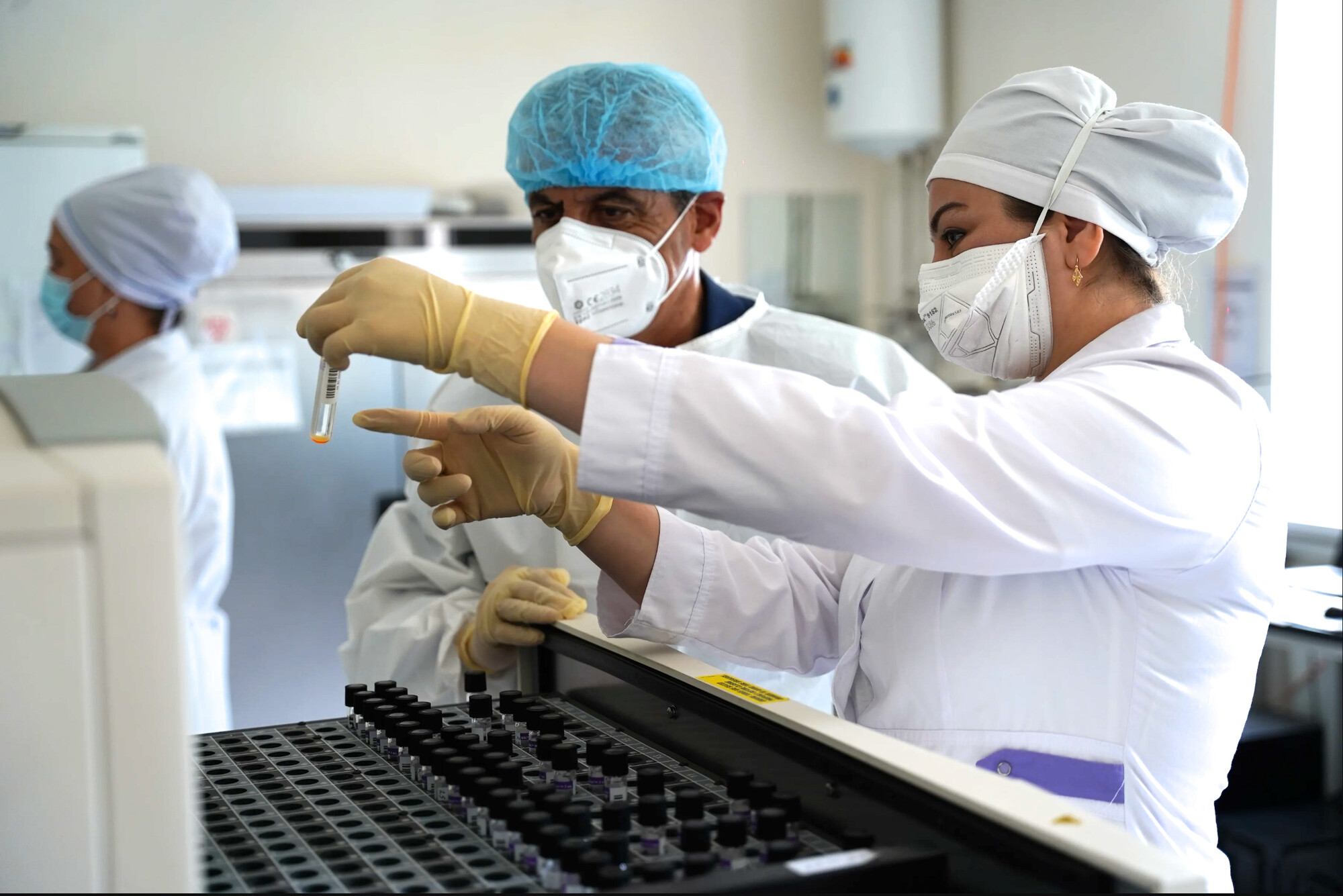
In partnership with ICF, FHI 360 implements the Infectious Disease Detection and Surveillance project, funded by USAID. The project strengthens countries’ capacities to detect infectious diseases and drug-resistant infections. FHI 360 helped established a national laboratory quality management system, which has been endorsed and adopted by the Liberia National Diagnostics Unit.
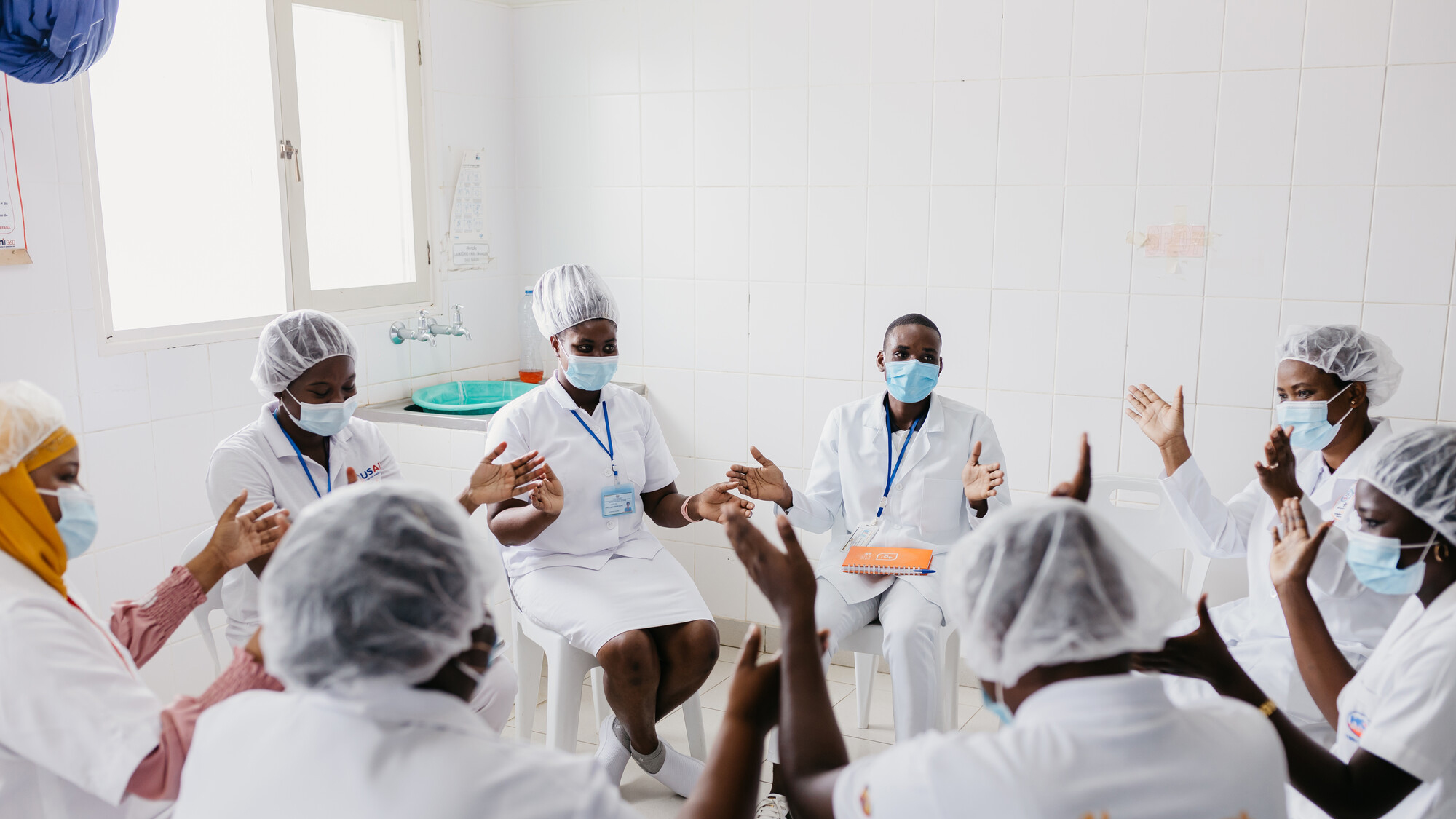
With funding from USAID and the U.S. President’s Emergency Plan for AIDS Relief, FHI 360 leads the Meeting Targets and Maintaining Epidemic Control (EpiC) project. EpiC partners with the government and community organizations to control the HIV epidemic among the general population and those at an increased risk for HIV and will transfer direct funding and implementation to local partners to ensure the project’s lasting impact.
Through the Technical and Administrative Management Financial Center project funded by the U.S. National Institutes of Health/National Institute of Allergy and Infectious Diseases, FHI 360 established an independent platform for financial management that provides resources for clinical research collaboration under the Partnership for Research on Ebola Virus in Liberia and Division of Clinical Research in Liberia.
We also employed our technical expertise to reduce morbidity, mortality and poverty associated with NTDs by increasing evidence for cost-effective scale-up, control and elimination of NTDs through the COUNTDOWN project.
FHI 360 leads the Liberia Education Systems Strengthening Activity, funded by USAID, to enhance the Ministry of Education’s capacity to address challenges in education systems, provide decentralized education, monitor progress, and sustain improved learning outcomes for children and young people.
Projects
-
Project
USAID Education Systems Strengthening Activity (USAID ESSA)

-
Project
Technical and Administrative Management Services (TAMS) Indefinite Delivery Indefinite Quantity (IDIQ)

-
Project
Infectious Disease Detection and Surveillance (IDDS)

-
Project
Meeting Targets and Maintaining Epidemic Control (EpiC)
-
Project
Mobile Solutions Technical Assistance and Research (mSTAR)