

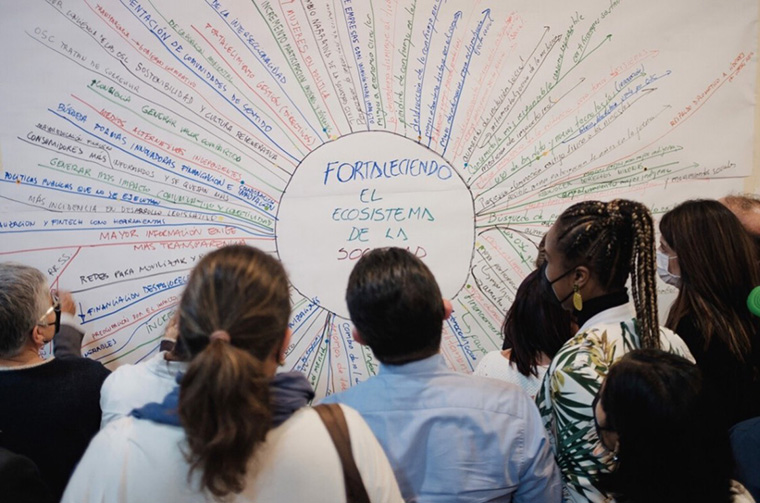
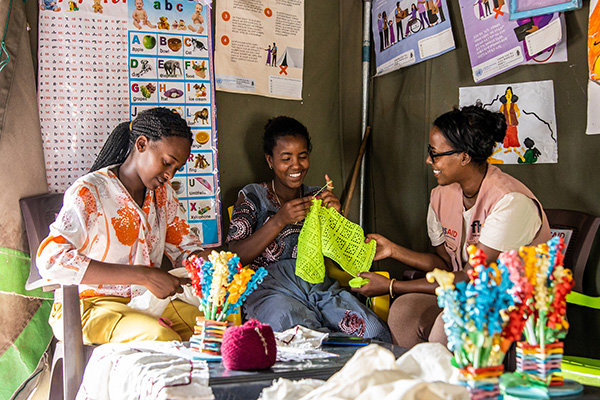
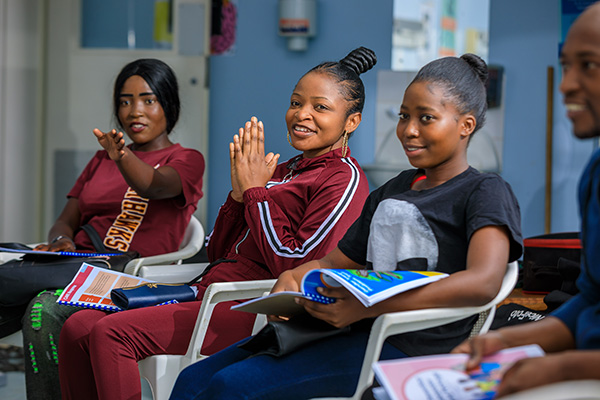
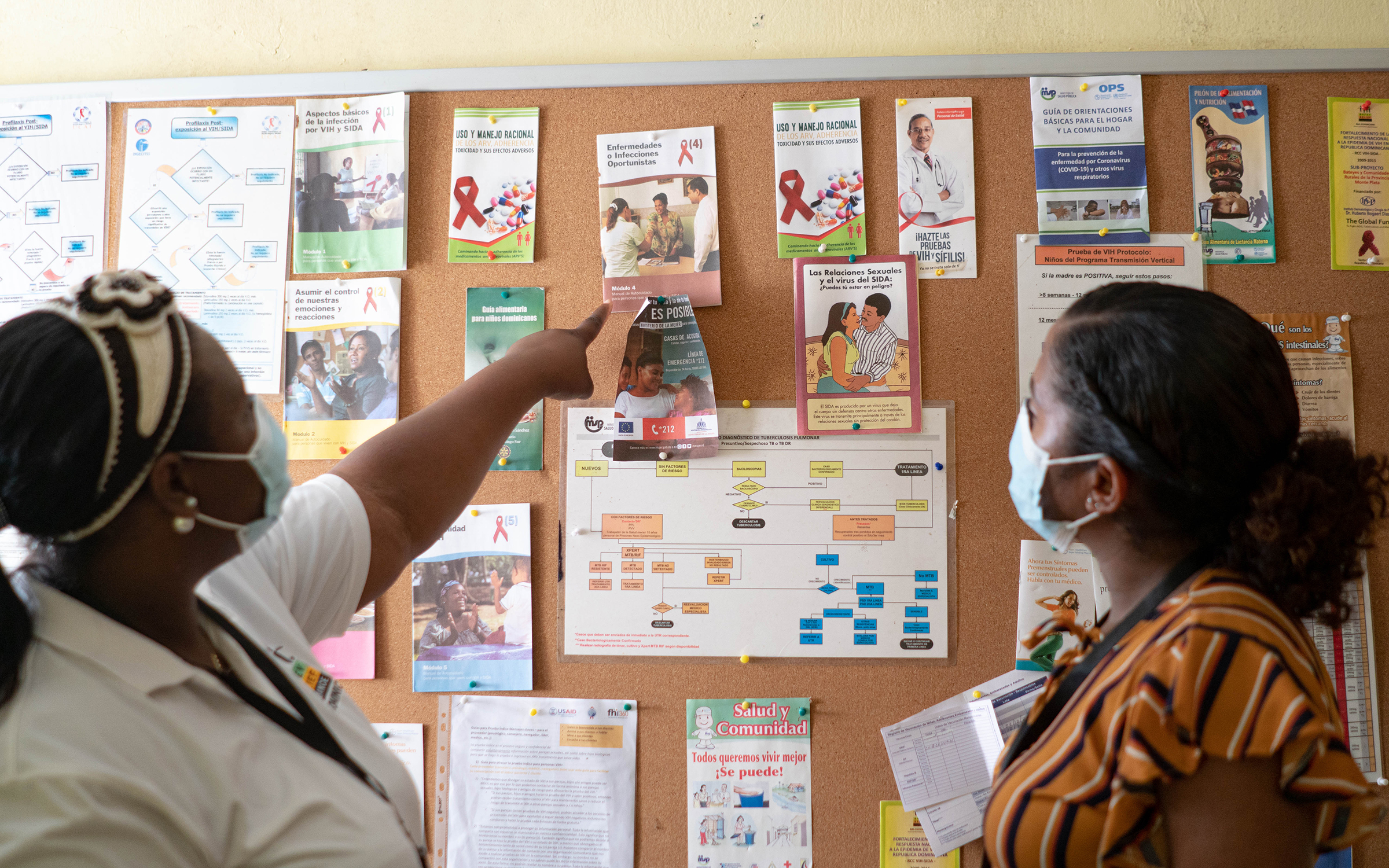
EpiC is a global project, funded by the U.S. Government, that provides lifesaving services and strategic technical support to achieve HIV epidemic control; strengthen global health security (GHS), including outbreak response; and improve maternal, newborn and child health (MNCH), nutrition, and malaria outcomes. Across these health areas, EpiC builds resilient and durable local health systems by equipping governments to effectively manage, deliver, and finance essential health services.
EpiC is led by FHI 360 with core partners Right to Care, Palladium, and Population Services International (PSI) and has been implemented by more than 260 partners in 78 countries.
EpiC and HIV
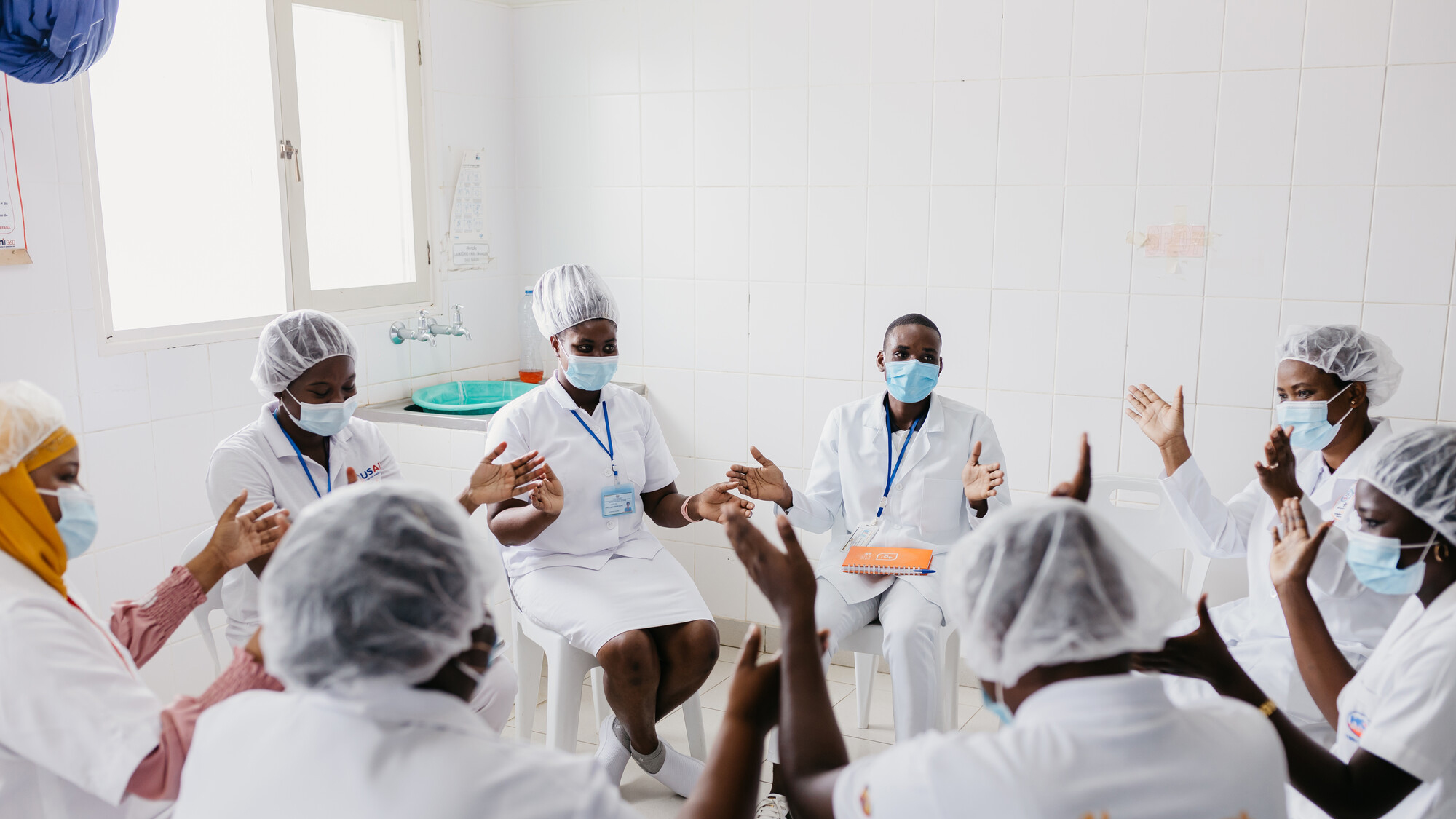
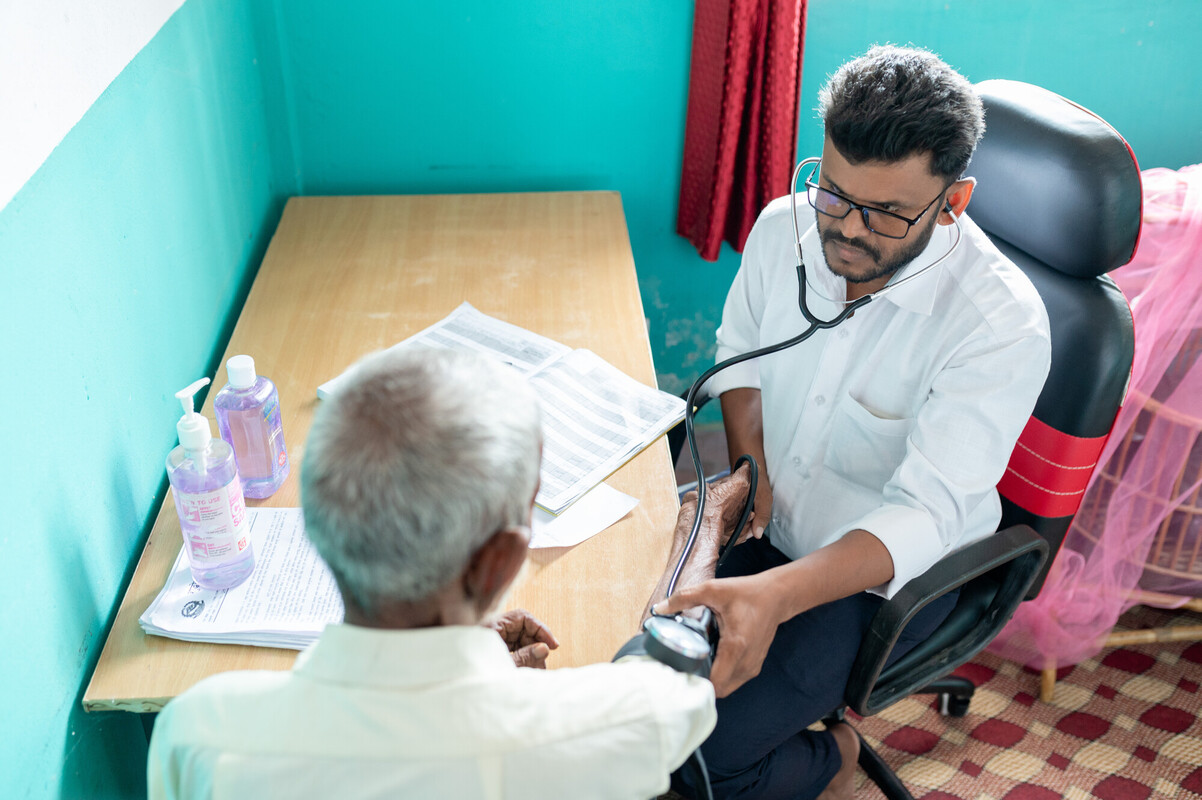
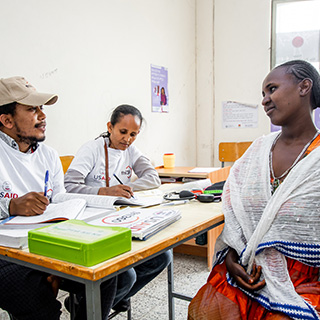
HIV continues to be a widespread and deadly global epidemic, having claimed more than 42 million lives. HIV destabilizes communities, economies, and countries. EpiC partners with governments, community-based and faith-based organizations, and the private sector across the globe to combat HIV so that individuals and communities can thrive. EpiC uses innovative community- and facility-based and online approaches to identify people at high risk of HIV and provide testing and prevention services, including to pregnant and breastfeeding women. For people living with HIV, EpiC provides lifesaving treatment, adherence support, viral load monitoring, and treatment of advanced HIV disease. All EpiC activities are implemented collaboratively with governments and community-based and faith-based organizations, and EpiC strengthens the capacity of these stakeholders to deliver HIV services and develop and use robust data systems.
EpiC and global health security
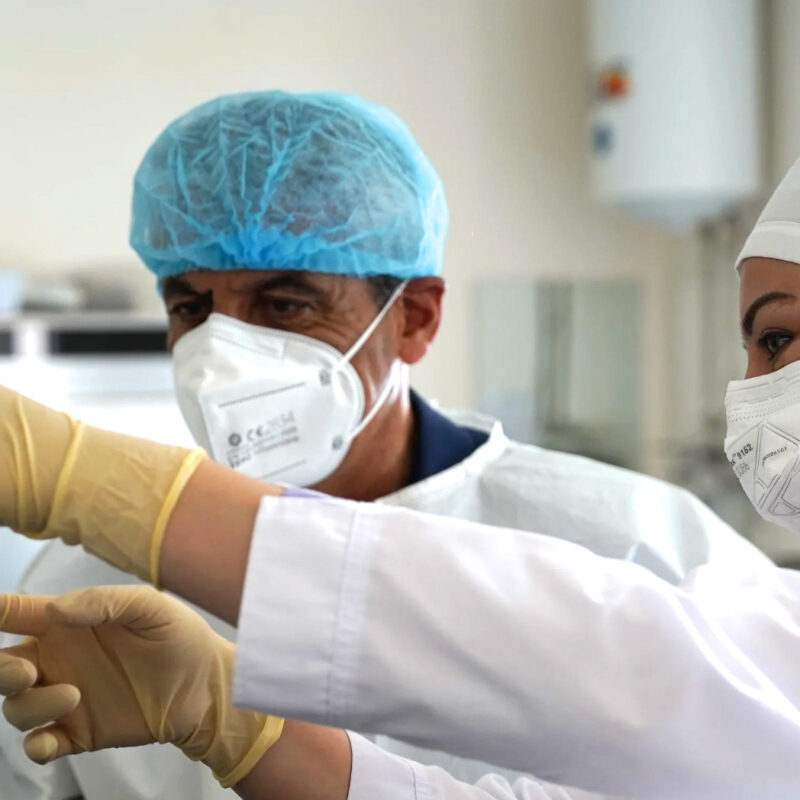
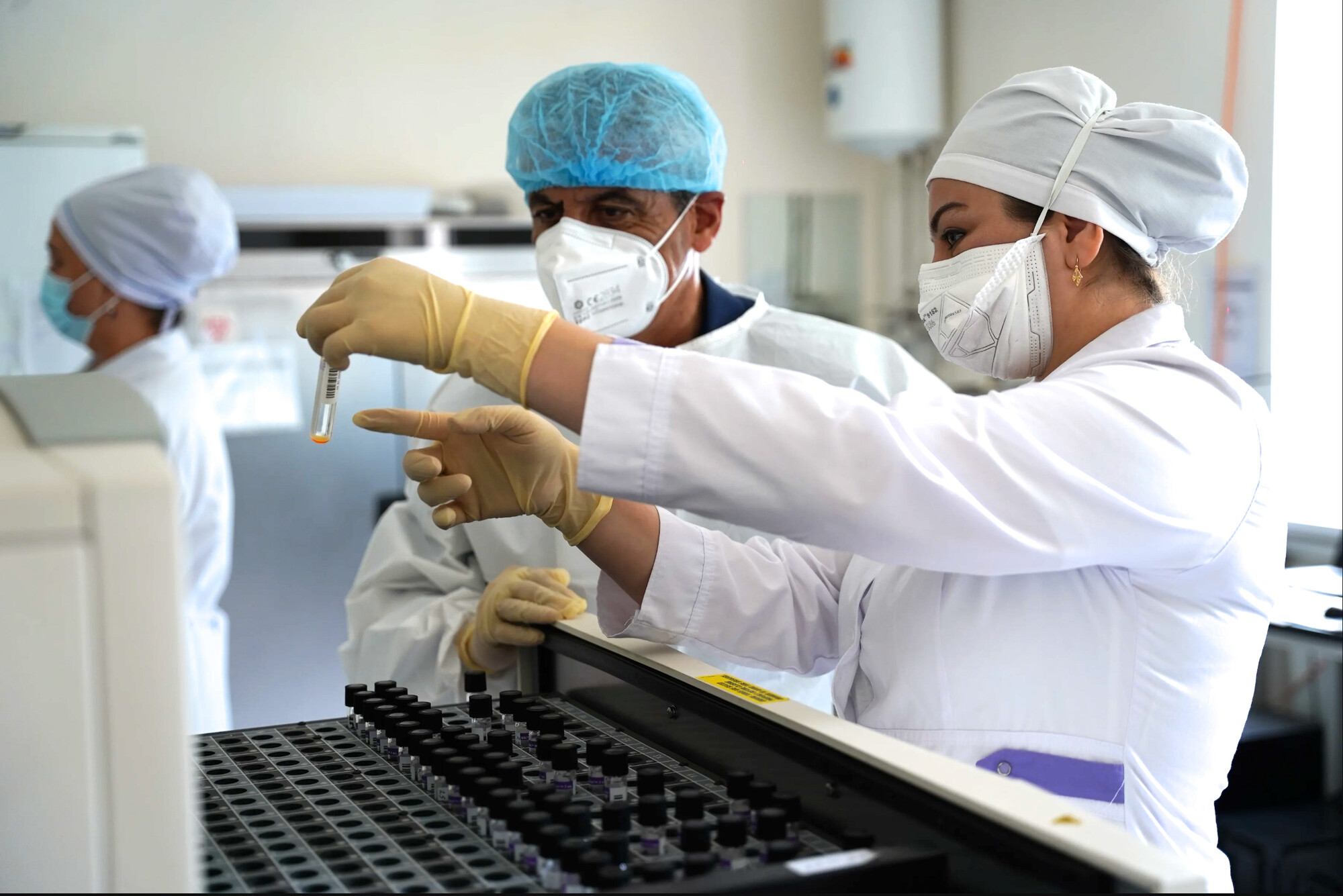
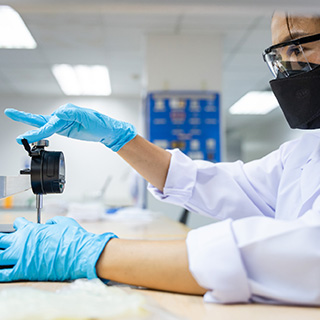
In today’s interconnected world, diseases can spread rapidly across borders and population groups, devastating global health and political and economic stability. EpiC strengthens global health security by working with governments and health workers to be prepared to prevent, detect, and respond to high-risk pathogens and priority zoonotic diseases with the potential for outbreak. EpiC works with laboratories to improve their capacity to monitor and detect infectious and non-infectious diseases and drug resistance, builds the capability of diagnostic facilities and networks to reach international standards, and supports supply chains to increase access to key commodities and ensure safe specimen transport, trains and deploys frontline healthcare workers during outbreaks. This work stop outbreaks at their source, strengthens accountable, sustainable health systems, and focuses resources on measurable results that keep Americans safe.
EpiC and maternal, newborn and child health and nutrition
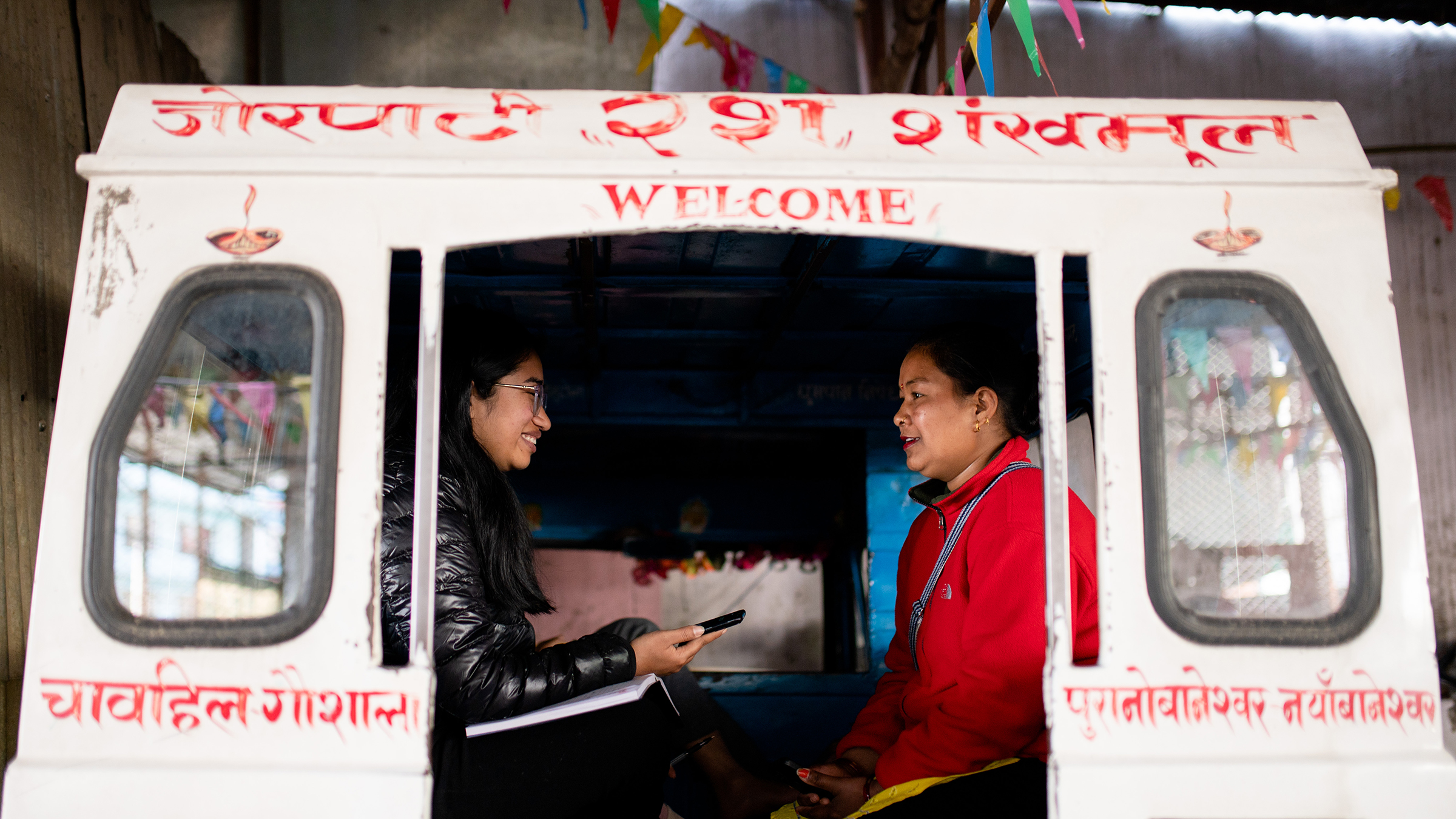
While substantial gains have been made in reducing maternal, newborn, and child mortality over the past two decades, mothers, newborns, and children are dying unnecessarily every day in countries around the world. EpiC works with governments to deliver life-saving interventions across the life cycle and at different levels of the health system. EpiC works to increase the adoption of healthy maternal, newborn, and child health (MNCH) behaviors, norms, and practices; improve service access, delivery, and quality; and strengthen facility and community health systems needed for delivery of high-quality MNCH services.
EpiC and malaria
Although malaria-related deaths have decreased by approximately 30 percent since 2000, there were still 597,000 malaria-related deaths in 2023. EpiC works in close coordination with governments and other partners, leveraging existing resources, to save lives and advance toward the goal of eliminating malaria. EpiC emphasizes life-saving service delivery at the facility- and community-levels, rapid integration of malaria interventions into emergency responses, and robust supply chain systems to maintain uninterrupted access to essential health malaria commodities and services.
EpiC resources
EpiC produces success stories, technical resources and other materials to share up-to-date knowledge and tools that can be used to strengthen HIV, global health security (GHS), maternal, newborn, and child health (MNCH) and nutrition, and malaria programming worldwide.