Resources
Search
Filters
-
Fact sheet
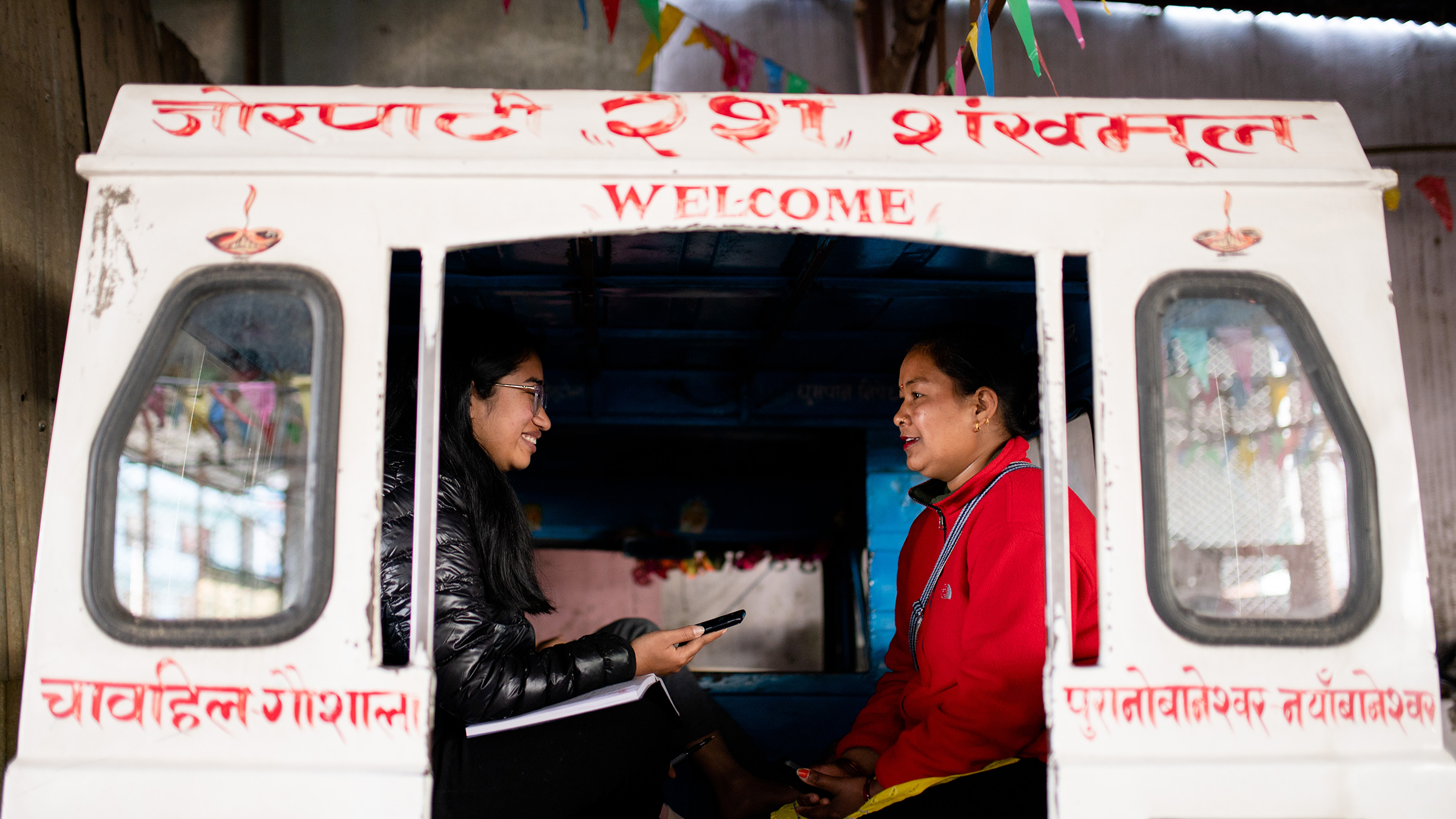
Empowerment of Women: International Woman’s Day 2013
March 2013 — Read about how FHI 360, through the USAID-funded Saath-Saath project, is working to strengthen gender equality and reduce gender-based violence in Nepal.
-
Fact sheet
Harm Reduction
2009 — This brochure describes the harm reduction approach that was adapted to suit cultural needs in Egypt and introduces the Comprehensive Care Center model developed by FHI 360. Disclaimer: This publication was created under FHI. In July 2011, FHI became FHI 360.
-
Training material
Enhancing Voluntary Counseling and Testing Services for HIV/AIDS and the Detection and Treatment of Sexually Transmitted Infections in Egypt
2007 – 2011 – With funding from the United Nations Population Fund and in collaboration with the Egyptian Ministry of Health and Population, FHI 360 provided technical assistance to nine mobile voluntary counseling and testing (VCT) centers, 11 fixed VCT centers and seven sexually transmitted infection clinics. During the course of this project, FHI 360 […]
-
Guide, manual or tool
Safe Blood Communication Guide (PDF in Arabic)
2001 – FHI 360 experts and the Egyptian National Blood Transfusion Service created the Safe Blood Communication Guide to improve the ability of blood bank staff to communicate effectively with potential blood donors. The guidelines cover issues such as counseling, confidentiality, types of blood donors and medical factors to consider during blood donation. The guide, […]
-
Training material
Training-of-Trainers Manual on Safe Blood Communication
2003 – FHI 360, in conjunction with technical experts, developed a training-of-trainers (TOT) manual in Arabic to foster the widespread use of the Safe Blood Communication Guide. Using this guide, FHI 360 has taught 40 trainers how to train blood bank staff. Disclaimer: This publication was created under FHI. In July 2011, FHI became FHI 360.
-
Training material
Basic Blood Bank Practices: Training Curriculum and Training of Trainers Manual
2005 – To ensure the safe handling of blood and the protection of donors to blood banks, FHI 360 collaborated with Egypt’s National Blood Transfusion Services to develop the Basic Blood Bank Practices Training Curriculum and Training of Trainers manual with funding from the U.S. Agency for International Development. FHI 360 has trained more than 700 blood bank staff […]
-
Guide, manual or tool
HIV/AIDS and STI Surveillance Plan
2004 – With funding from the U.S. Agency for International Development, FHI 360 in Egypt worked with the Ministry of Health and Population and other organizations to develop a national HIV/AIDS and sexually transmitted infections (STI) surveillance plan. The plan integrates biological and behavioral surveillance strategies into the national surveillance system to enhance reporting and […]
-
Guide, manual or tool
Home-Based Care Resources
2004 – FHI 360 in Egypt released an Arabic-language series of booklets about home-based care for people living with HIV or AIDS. The series was funded by the U.S. Agency for International Development.
-
Guide, manual or tool
Voluntary Counseling and Testing Series
2004 – FHI 360 in Egypt released an Arabic and English series on voluntary HIV counseling and testing (VCT), funded by the U.S. Agency for International Development.
-
Guide, manual or tool
Infection Control Assessment Tool for Blood Banks
2004 – The Infection Control Assessment Tool for Blood Banks was used by the Egyptian Ministry of Health and Population during its assessment of 21 blood banks throughout the country. Funded by the U.S. Agency for International Development, the tool enabled officials to understand universal precautions used in blood banks to reduce the transmission of blood-borne […]
Join our team
FHI 360 is an inclusive and innovative community of experts in more than 60 countries around the world, united by a shared goal: to open opportunities for people everywhere so they can lead full and healthy lives. Join us today.
Become a partner
We are committed to building equitable, collaborative relationships with governments, local communities, academic institutions, foundations and others working to open pathways to lasting change.